


10 Important Factors to Consider When Buying Industrial Fasteners
Introduction
Choosing the right industrial fasteners is a critical decision for manufacturers, construction companies, engineers, and distributors worldwide.
Although screws, bolts, nuts, washers, and anchors may look like small components, their performance directly affects the safety, durability, and reliability of large-scale projects.
Many purchasing problems happen because buyers focus only on price while ignoring key factors such as material selection, corrosion resistance, manufacturing standards, mechanical performance, and supplier capability.
A low-cost fastener that fails prematurely can result in equipment downtime, structural problems, maintenance costs, and safety risks.
So, what should buyers consider before purchasing industrial fasteners?
This guide explains the 10 most important factors from a professional manufacturing perspective, helping international buyers select reliable fastening solutions for construction, machinery, automotive, renewable energy, and industrial applications.
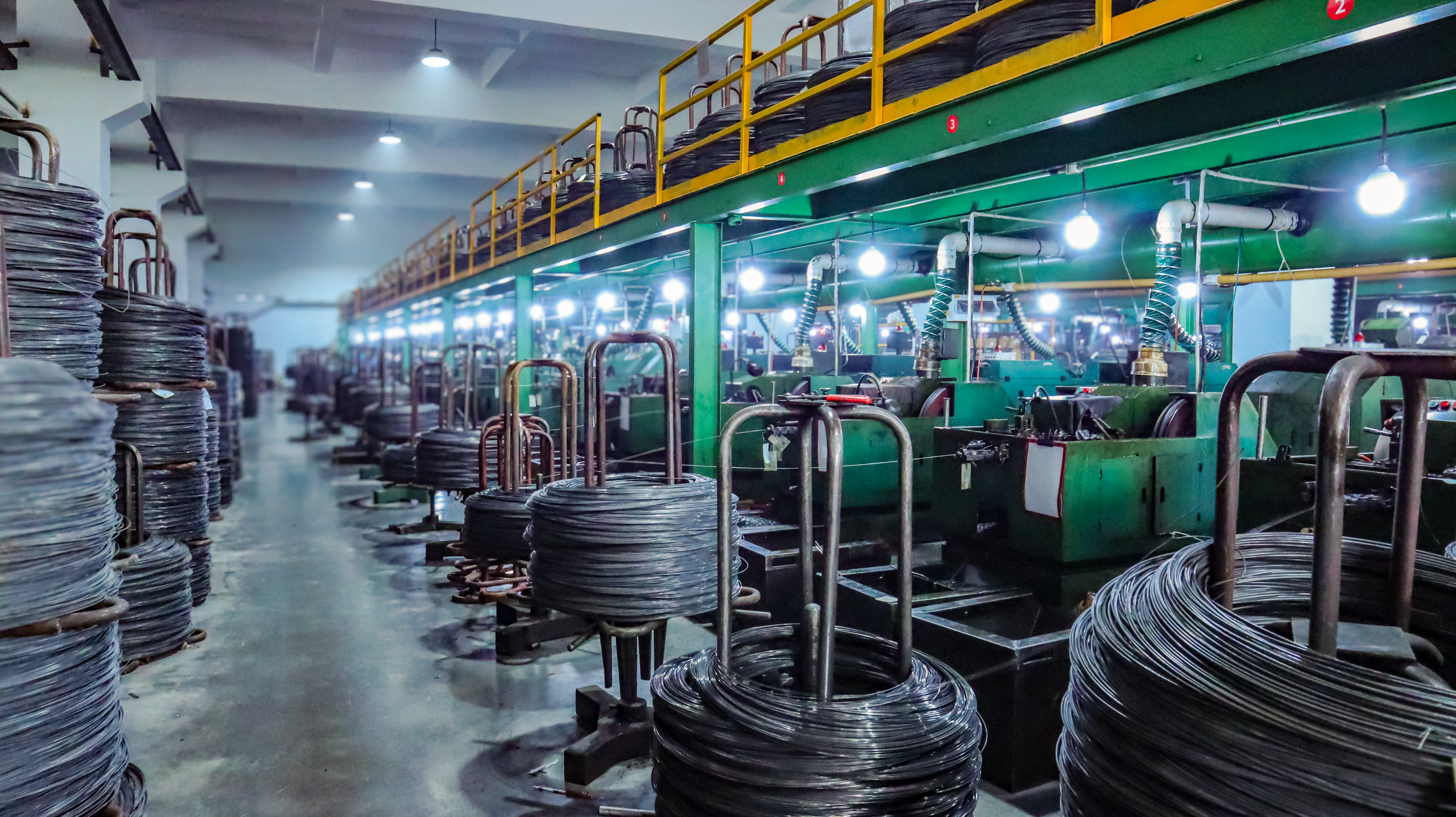
Industry Background: Growing Demand for High-Performance Industrial Fasteners
The global fastener industry continues to develop as industries require stronger, more durable, and application-specific fastening solutions.
Modern engineering projects increasingly demand:
Higher load capacity
Better corrosion resistance
Longer service life
More customized specifications
Compliance with international standards
Industrial sectors such as construction, automotive manufacturing, renewable energy, heavy equipment, and infrastructure projects rely heavily on reliable fastening systems.
At the same time, buyers are paying more attention to fastener corrosion protection because many applications operate in challenging environments including:
Outdoor structures
Coastal areas
Chemical processing facilities
Heavy machinery
Industrial equipment
International standards such as ISO and ASTM provide guidelines for coating systems, mechanical properties, and testing requirements for fasteners. For example, ISO 4042 defines requirements for electroplated coating systems on fasteners, while ASTM provides specifications for corrosion-resistant coatings and protective treatments.
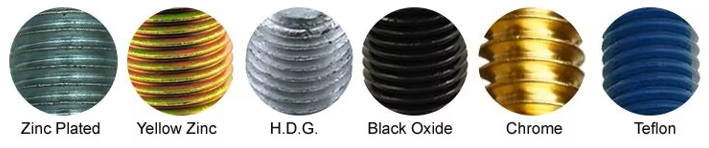
What Are Industrial Fasteners?
Industrial fasteners are mechanical components used to permanently or temporarily join two or more parts together while maintaining structural stability and mechanical strength.
Common industrial fasteners include:
Screws
Bolts
Nuts
Washers
Threaded rods
Anchors
Self drilling screws
Self tapping screws
They are widely used in:
Construction
Steel structures
Automotive manufacturing
Machinery production
HVAC systems
Electrical equipment
Industrial maintenance
10 Important Factors When Buying Industrial Fasteners
1. Material Selection
Material is one of the most important factors affecting fastener performance.
Different environments require different materials.
Common Fastener Materials
Material | Features | Typical Applications |
|---|---|---|
Carbon Steel | High strength, economical | Construction, machinery |
Stainless Steel 304 | Excellent corrosion resistance | Outdoor equipment, food equipment |
Stainless Steel 316 | Superior corrosion resistance | Marine, chemical environments |
Alloy Steel | High tensile strength | Heavy machinery, structural applications |
Brass | Good corrosion resistance and appearance | Electrical applications |
For example:
Stainless steel screws are commonly selected where corrosion resistance and appearance are important.
Carbon steel fasteners are widely used because they provide excellent mechanical strength at competitive costs.
The correct material depends on:
Load requirements
Temperature
Chemical exposure
Outdoor conditions
Service life expectations
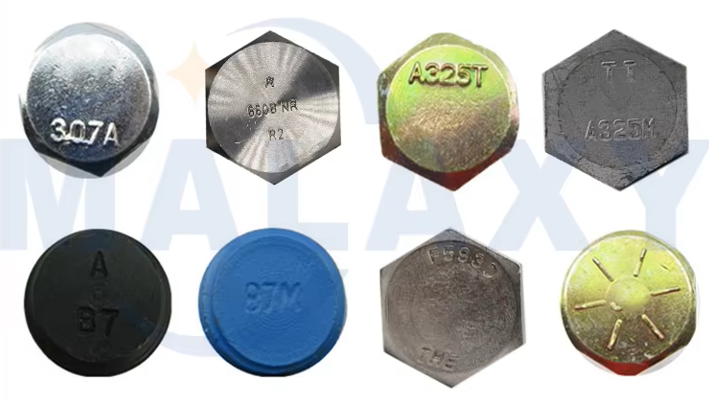
2. Corrosion Resistance and Surface Treatment
Corrosion is one of the biggest causes of fastener failure.
A professional buyer should evaluate:
Base material
Surface coating
Environmental conditions
Required service life
Common corrosion protection methods include:
Zinc Plated Screws
Zinc plating provides economical corrosion protection for general applications.
Advantages:
Affordable
Good appearance
Suitable for indoor applications
Hot Dip Galvanized Fasteners
Hot dip galvanizing provides a thicker zinc coating and improved outdoor protection.
Common applications:
Bridges
Outdoor structures
Steel buildings
Stainless Steel Fasteners
Stainless steel provides natural corrosion resistance through its chromium-based passive layer.
Typical choices:
SS304
SS316
Advanced Coatings
Industrial applications may require:
Zinc flake coating
Geomet coating
Dacromet coating
Black oxide coating
The correct coating depends on exposure conditions.
ISO 14713 provides guidance on zinc coating protection principles and corrosion resistance considerations for steel products.
3. Mechanical Strength and Grade Requirements
Fasteners must withstand different mechanical loads:
Tensile force
Shear force
Vibration
Impact loading
Common strength grades include:
Grade 4.8
Grade 8.8
Grade 10.9
Grade 12.9
For example:
A Grade 10.9 bolt provides significantly higher tensile strength compared with standard carbon steel bolts and is commonly used in heavy-duty mechanical applications.
Buyers should always confirm:
Tensile strength
Yield strength
Hardness
Torque requirements
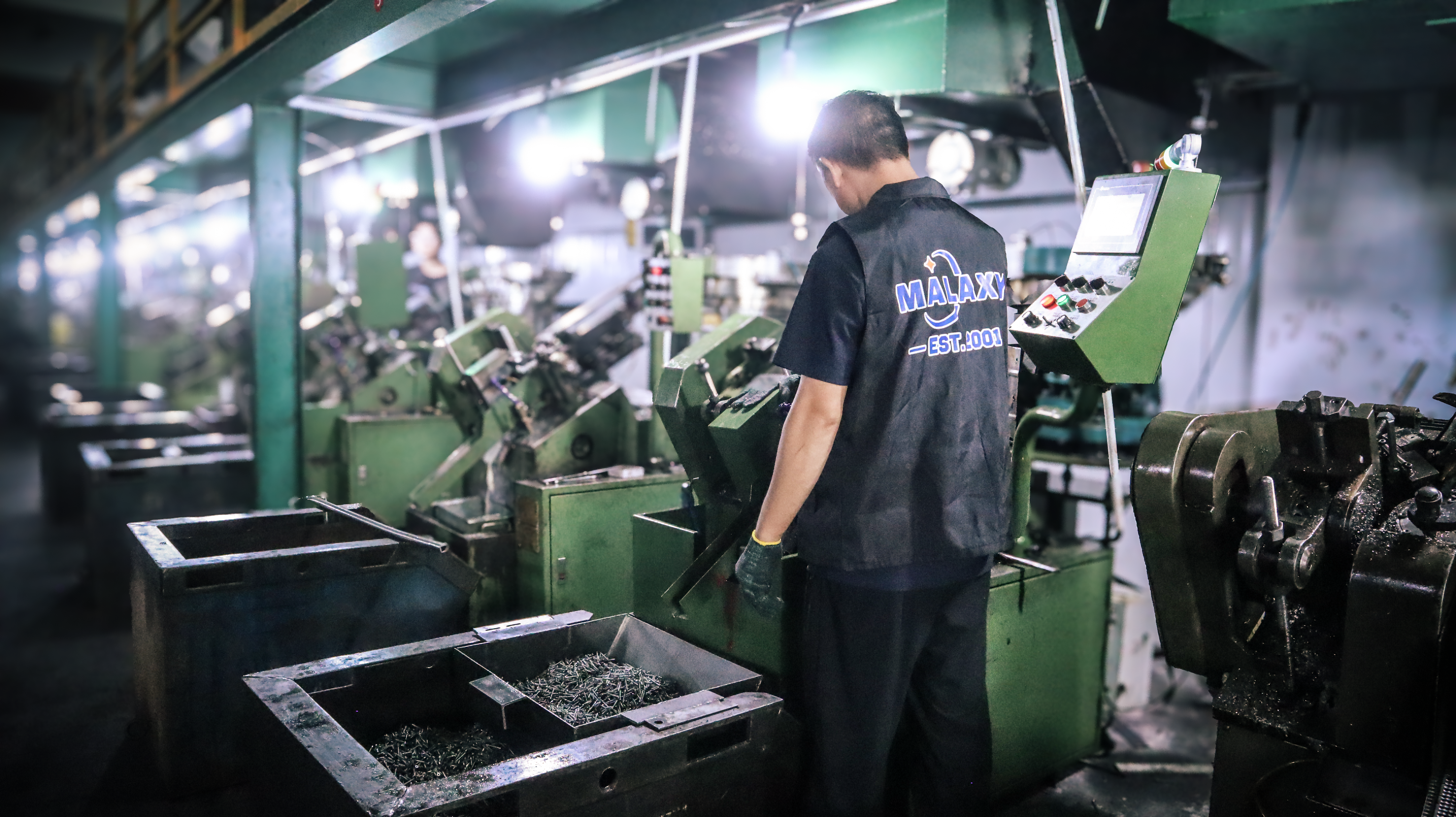
4. International Standards Compliance
Professional buyers should check whether fasteners meet recognized standards.
Common standards include:
DIN
ISO
ANSI
ASTM
BS
JIS
Examples:
DIN 933 Hex Bolt
DIN 934 Hex Nut
ISO 4014 Hex Bolt
ASTM A307 Bolt
Standards help ensure:
Dimensional accuracy
Material consistency
Interchangeability
Quality reliability
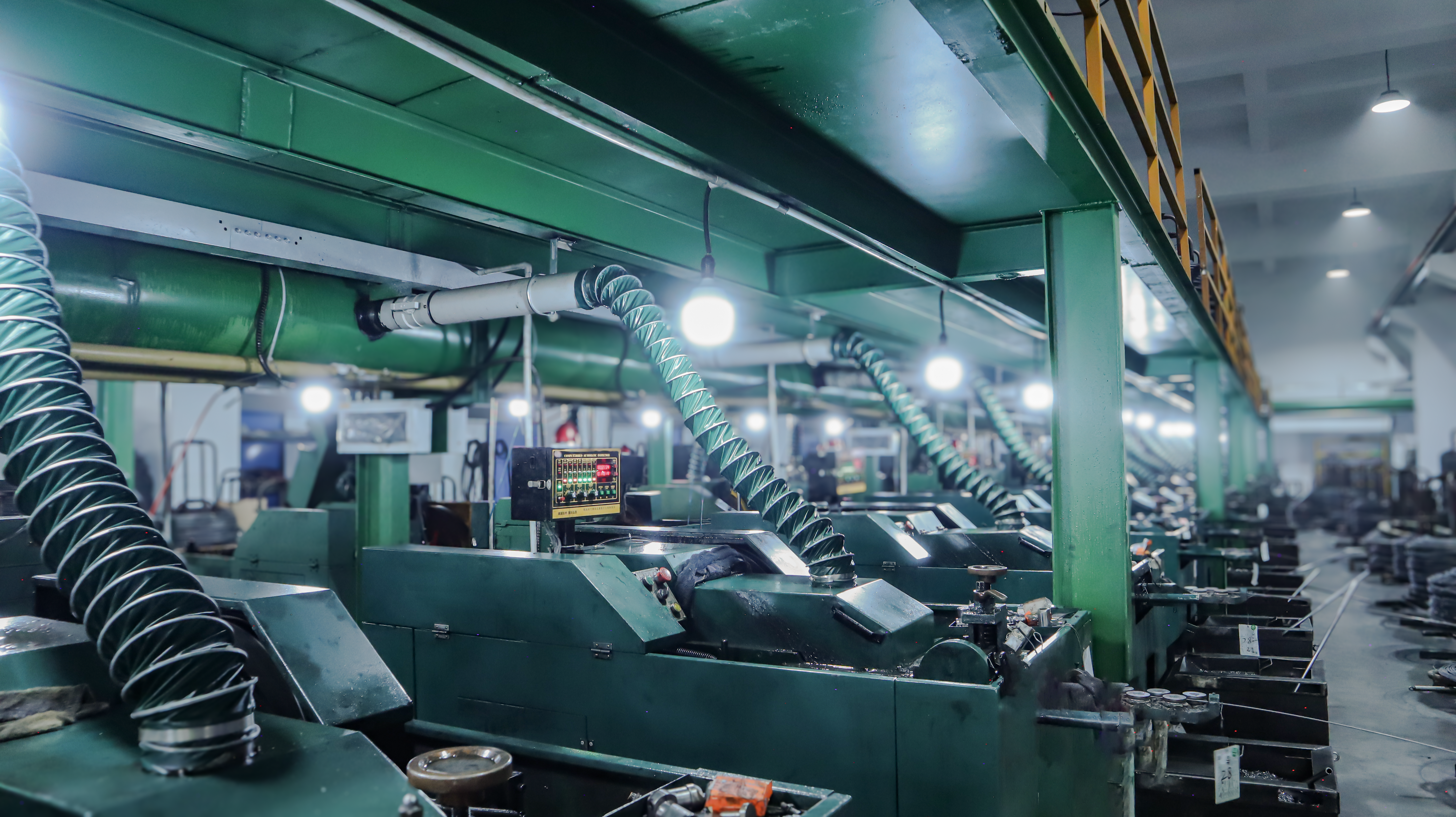
5. Manufacturing Capability and Quality Control
A reliable fastener supplier should have strong manufacturing control.
Important quality processes include:
Raw Material Inspection
Checking:
Chemical composition
Mechanical properties
Material certificates
Production Control
Including:
Cold heading
Thread rolling
Heat treatment
Surface finishing
Final Inspection
Including:
Dimension checking
Thread inspection
Salt spray testing
Tensile testing
A professional fastener manufacturer should provide consistent quality from batch to batch.
6. Application Environment
The same fastener may perform differently depending on where it is used.
Before purchasing, buyers should consider:
Indoor Applications
Examples:
Machinery assembly
Furniture
Equipment manufacturing
Suitable options:
Zinc plated screws
Carbon steel bolts
Outdoor Applications
Examples:
Construction
Solar structures
Bridges
Recommended:
Stainless steel fasteners
Hot dip galvanized fasteners
Harsh Environments
Examples:
Marine
Chemical plants
Offshore equipment
Recommended:
Stainless steel 316
Advanced corrosion-resistant coatings
7. Size and Specification Accuracy
Incorrect dimensions can cause installation failures.
Important specifications include:
Diameter
Length
Thread type
Head style
Drive type
Common specifications:
M4
M5
M6
M8
M10
M12
Professional buyers should confirm:
Thread tolerance
Measurement standards
Drawing requirements
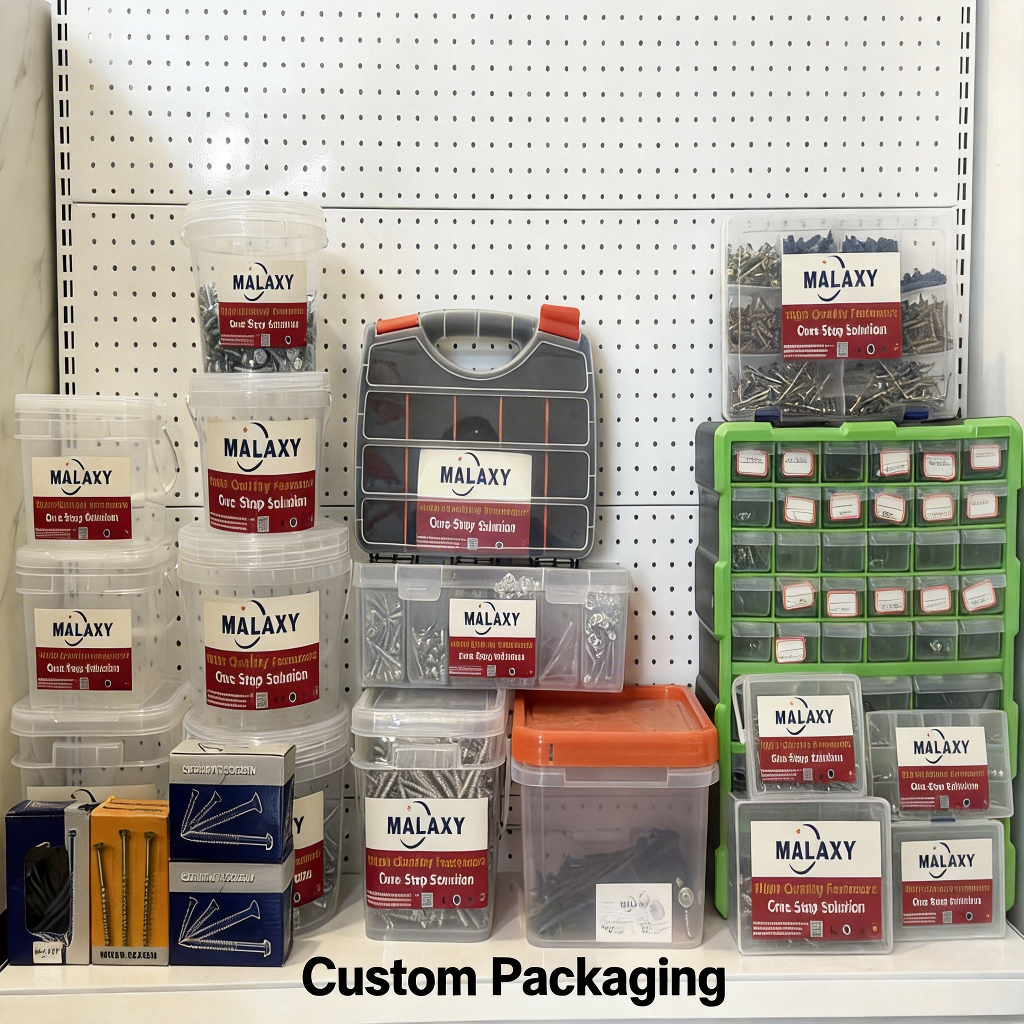
8. Customization Capability
Different industries often require customized fastening solutions.
Examples:
Special dimensions
Custom head designs
Customized packaging
Special coatings
OEM production
A capable supplier should support:
Product development
Prototype production
Bulk manufacturing
Customization is especially important for:
Automotive suppliers
Machinery manufacturers
Construction projects
9. Supplier Experience and Export Capability
Selecting the right supplier is as important as selecting the right product.
International buyers should evaluate:
Manufacturing history
Export experience
Production capacity
Certifications
Customer service capability
A supplier with international experience understands:
Different market standards
Packaging requirements
Documentation requirements
Shipping procedures
10. Total Cost Instead of Lowest Price
The cheapest fastener is not always the most economical choice.
Buyers should evaluate:
Product lifespan
Failure risk
Maintenance costs
Replacement costs
A slightly higher-quality fastener can significantly reduce long-term costs.
Manufacturer Insights: MALAXY Fastener Manufacturing Experience
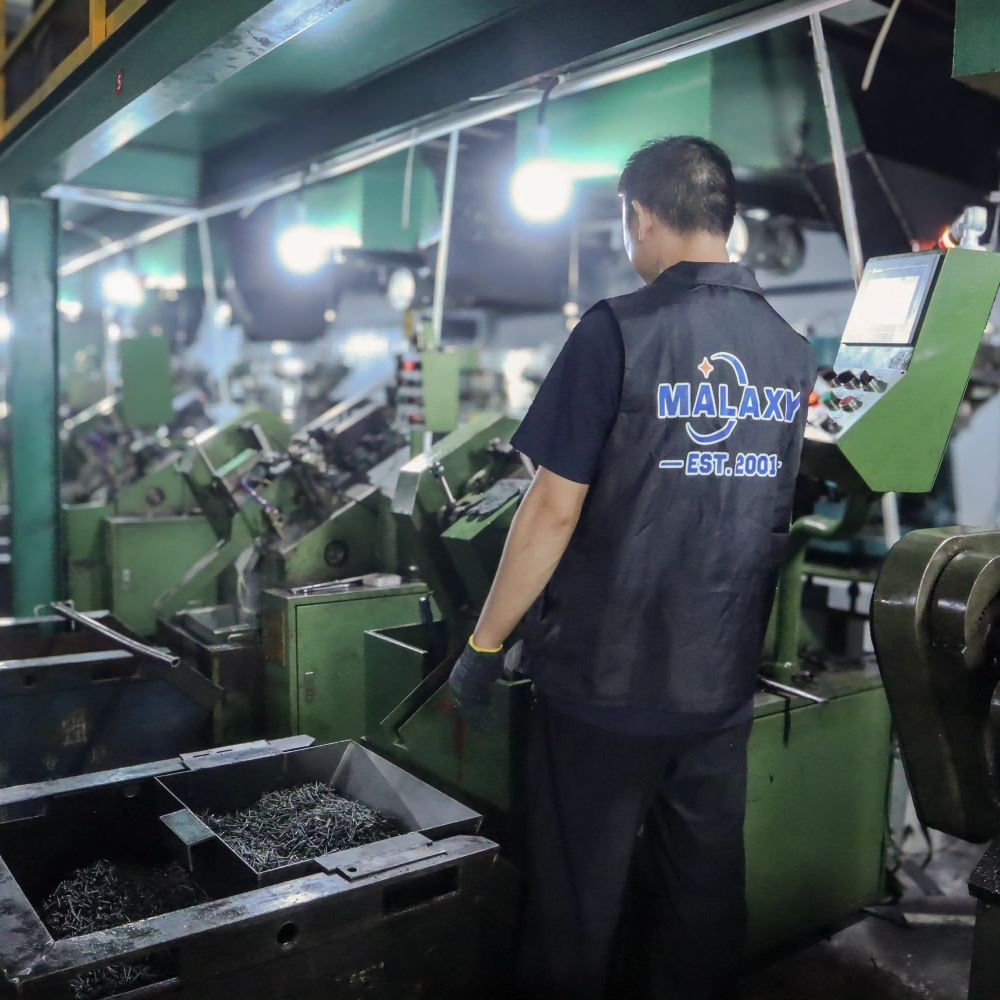
As a professional fastener manufacturer, MALAXY understands that industrial fastening performance depends on every manufacturing step.
With more than 20 years of production experience, MALAXY specializes in manufacturing:
Screws
Bolts
Nuts
Washers
Anchors
Self drilling screws
Self tapping screws
Located in Zhejiang, China, MALAXY serves customers in more than 70 countries worldwide.
The manufacturing process focuses on:
Material Control
Selecting qualified steel materials and controlling chemical composition.
Precision Manufacturing
Including:
Cold forming
Thread production
Heat treatment
Surface coating
Quality Inspection
Including:
Dimension inspection
Mechanical testing
Surface inspection
Packaging verification
MALAXY also supports customized fastener solutions according to customer drawings, specifications, and application requirements.
FAQ
Q1: What are industrial fasteners?
A: Industrial fasteners are mechanical components such as screws, bolts, nuts, washers, and anchors used to connect and secure parts in industrial applications including construction, machinery, and manufacturing.
Q2: How do I choose the right industrial fasteners?
A: Buyers should consider material, strength grade, corrosion resistance, standards, application environment, size requirements, and supplier manufacturing capability.
Q3: Are stainless steel screws better than zinc plated screws?
A: Stainless steel screws generally provide better corrosion resistance, especially in outdoor or harsh environments. Zinc plated screws are more economical for indoor and general applications.
Q4: What is fastener corrosion protection?
A: Fastener corrosion protection refers to methods used to prevent rust and degradation, including zinc plating, hot dip galvanizing, stainless steel materials, and advanced protective coatings.
Q5: Which fastener standards are commonly used internationally?
A: Common standards include DIN, ISO, ANSI, ASTM, BS, and JIS, which define dimensions, materials, and performance requirements.
Q6: Can industrial fasteners be customized?
A: Yes. Many manufacturers provide customized sizes, materials, coatings, packaging, and OEM production according to customer requirements.
Q7: How can I evaluate a fastener manufacturer?
A: Check manufacturing experience, quality control systems, certifications, production capacity, export experience, and technical support capability.
Conclusion
Choosing the right industrial fasteners requires more than comparing prices.
Professional buyers should evaluate:
Material
Corrosion resistance
Mechanical strength
Standards
Manufacturing quality
Application requirements
Supplier capability
A reliable fastening solution improves product safety, reduces maintenance costs, and increases long-term performance.
With extensive manufacturing experience and global export capability, MALAXY provides customized fastening solutions for distributors, engineers, and industrial customers worldwide.
Contact MALAXY to discuss your industrial fastener requirements and find the right solution for your application.
Other Articles
Inside MALAXY’s Fastener Factory in Haiyan, Zhejiang
10 Important Factors to Consider When Buying Industrial Fasteners: A Complete Guide for Global Buyers
