Nylon Insert Lock Nut (Nyloc Nut) – Reliable Vibration-Resistant Fastening
The Nylon Insert Lock Nut, commonly known as the Nyloc Nut, is a prevailing torque type lock nut designed to prevent loosening under vibration, shock loads, and dynamic movement. It features a non-metallic nylon/polyamide insert permanently embedded at the top of the nut. When the nut is threaded onto a bolt, the nylon insert elastically deforms around the mating threads, creating a tight interference fit that generates friction—known as prevailing torque—which resists rotation and keeps the fastening secure.
At Malaxy, we manufacture high-precision nylon insert lock nuts in a full range of materials, strength grades, and surface finishes to meet the demanding requirements of automotive, heavy machinery, agricultural equipment, and industrial applications where threaded connections face constant vibration and motion.
✔ Nylon insert creates friction lock – eliminates need for thread-locking compounds
✔ Prevailing torque design resists loosening from vibration and shock
*✔ Available in standard (DIN 985) and high-profile (DIN 982/ISO 7040) styles*
*✔ Metric (M3–M24) and inch (#4–3/4″) sizes in multiple strength grades*
Key Features & Advantages
Vibration & Shock Resistance – The nylon insert deforms over the bolt threads, creating prevailing torque that prevents loosening under even the most severe vibration, shock loads, and dynamic movement.
Prevailing Torque Design – Unlike standard nuts, which can loosen under vibration, Nyloc nuts maintain consistent locking torque through repeated use, providing reliable fastening throughout the service life.
Reusable – Nylon insert lock nuts can be removed and reinstalled multiple times without significant loss of locking effectiveness, making them suitable for maintenance and repair applications.
No Thread-Locking Compounds Needed – The mechanical nylon insert eliminates the need for liquid adhesives, reducing assembly time and eliminating cure time requirements.
Thread Protection – The nylon insert is softer than metal threads, protecting the bolt’s threads from galling or damage during installation and removal.
Sealing Properties – The nylon insert also assists in sealing the bolt thread against seepage of oil, water, petrol, and other liquids.
Two Profile Options – Standard profile (DIN 985) for confined spaces; high profile (DIN 982/ISO 7040) for larger wrench contact surface and greater locking torque.
Flange Option (DIN 6926) – Serrated or plain flange distributes clamping pressure, eliminates need for separate washers, and provides additional grip.
Material & Grade Options
Material | Grades / Classes | Key Properties | Typical Applications |
|---|
Carbon Steel | Class 6, 8, 10 (ISO); Grade 2, 5, 8 (SAE) | Good strength at economical price; Grade 8 offers higher tensile strength | General industrial, automotive, agricultural machinery, construction |
Stainless Steel | 304 (A2), 316 (A4); A2-70, A4-80 | Excellent corrosion resistance; 316 ideal for marine/chemical environments | Marine hardware, food processing, chemical plants, outdoor equipment |
Alloy Steel | Class 8, 10, 12; Grade 8, 10, 12 | High strength, heat-treated for demanding applications | Heavy machinery, mining equipment, high-stress structural joints |
Brass | — | Corrosion resistant, conductive, non-sparking | Electrical assemblies, plumbing, marine hardware |
Aluminum | — | Lightweight, corrosion resistant | Aerospace, transportation, lightweight assemblies |
Surface Finishes Available:
Zinc plating (clear, yellow, black) – standard corrosion protection
Hot-dip galvanizing – heavy-duty outdoor use
Black oxide + oil – industrial appearance
Phosphate & oil – temporary rust protection for storage/transport
Dacromet® / Geomet® – high salt spray resistance (up to 1000h)
Xylan® / PTFE / Teflon® – low friction, chemical resistance
Nickel plating – decorative corrosion-resistant finish
⚙️ Quality Standards & Certifications
Our nylon insert lock nuts are manufactured and tested in compliance with:
DIN 985 – Hexagon thin nuts with non-metallic insert (standard profile)
DIN 982 – Hexagon high nuts with non-metallic insert (high profile)
DIN 6926 – Hexagon flange nuts with non-metallic insert (flange type)
ISO 7040 – Prevailing torque type hexagon nuts with non-metallic insert, coarse thread
ISO 10511 – Prevailing torque type hexagon thin nuts with non-metallic insert, coarse thread
ISO 10512 – Prevailing torque type hexagon nuts with non-metallic insert, fine thread
ASME B18.16.6 – Prevailing torque type hexagon nuts with non-metallic insert (inch series)
GB/T 889.1 / 6185 – Chinese national standards for nylon insert lock nuts
RoHS, REACH – Environmental compliance
Quality Control Includes:
✔ 100% thread gauging (on critical orders)
✔ Prevailing torque testing per applicable standards
✔ Proof load testing
✔ Hardness testing (HRC or HV as applicable)
✔ Salt spray test for coating verification
✔ Nylon insert integrity inspection
✔ Dimensional inspection per standard drawings
Industry Applications
Automotive – Engine mounts, suspension components, chassis assemblies, drivetrains, exhaust systems, wheel hub assemblies, brake systems. Nylon insert lock nuts are widely used in automotive where vibration is constant.
Heavy Machinery – Hydraulic systems, mining equipment, earth-moving machinery, bulldozer track assemblies, excavator pivot points, agricultural harvesters.
Agricultural Equipment – Tractors, combines, tillage equipment, irrigation systems, hay balers where dust, dirt, and vibration are common.
Aerospace & Aviation – Aircraft components requiring reliable locking without thread damage; ground support equipment.
Industrial Machinery – Conveyor systems, packaging machinery, printing presses, pumps, compressors, gearboxes.
Construction Equipment – Scaffolding connections, tower crane assemblies, steel structure joints, guardrails.
Marine & Offshore – Boat deck hardware, dock equipment, offshore platform connections (316 stainless steel recommended).
Medical Equipment – Hospital beds, surgical tables, diagnostic equipment requiring secure fastening.
HVAC & Appliances – Air handling units, refrigeration equipment, home appliances where vibration is present.
Furniture – Office furniture, shelving systems, storage cabinets where self-locking is required.
OEM & Customization Services
As a leading fastener manufacturer based in Shanghai, Malaxy offers comprehensive customization for nylon insert lock nuts:
Custom thread sizes – Fine pitch (e.g., M10×1.25), UNF, UNJC, left-hand thread, custom pitches
Profile options – Standard (DIN 985), high (DIN 982/ISO 7040), flange (DIN 6926)
Non-standard dimensions – Custom heights, across-flats dimensions, and diameters
Material selection – Carbon steel, stainless steel (304/316), alloy steel, brass, aluminum, titanium
Special coatings – Xylan®, PTFE, Teflon®, zinc-nickel alloy, nickel plating, chrome plating, silver plating
Packaging – Bulk in cartons, small poly bags, boxes with labels, private labeling, or custom kitting
Our strategic location at Shanghai port ensures fast, economical shipping worldwide with full batch traceability.
✅ Request a quote for Nylon Insert Lock Nut (Nyloc Nut) today – Standard sizes in stock, custom orders delivered in 2–4 weeks!



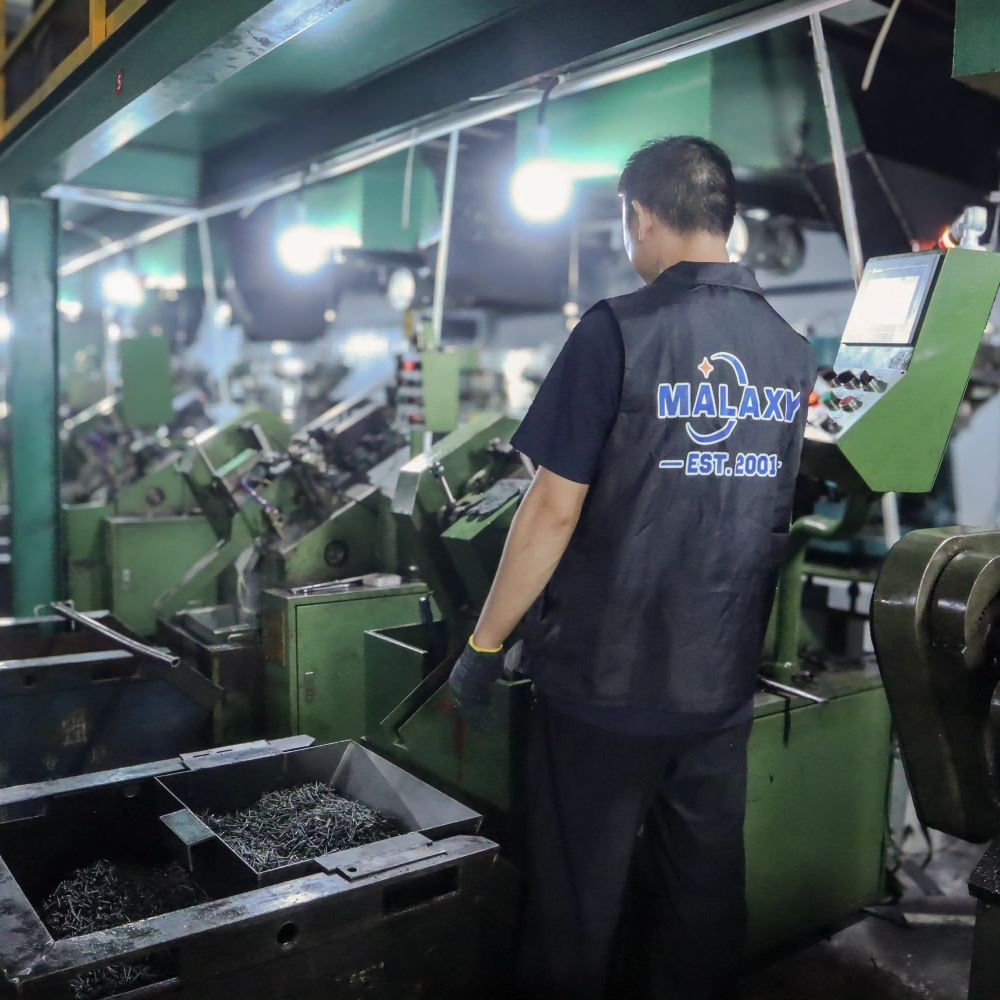 MALAXY is a China-based fastener manufacturer with over 20 years of factory experience in Haiyan, Zhejiang. With a 50,000 m² factory, 200+ employees and exports to 70+ countries, MALAXY supplies self-tapping screws, self-drilling screws, wood screws, hex nuts and other fasteners to global manufacturers, wholesalers and construction contractors. Supported by CE, RoHS, REACH and ISO 9001:2015 certifications, MALAXY provides reliable quality, competitive factory-direct pricing and customized fastener and packaging solutions for bulk B2B buyers.Malaxy Company News
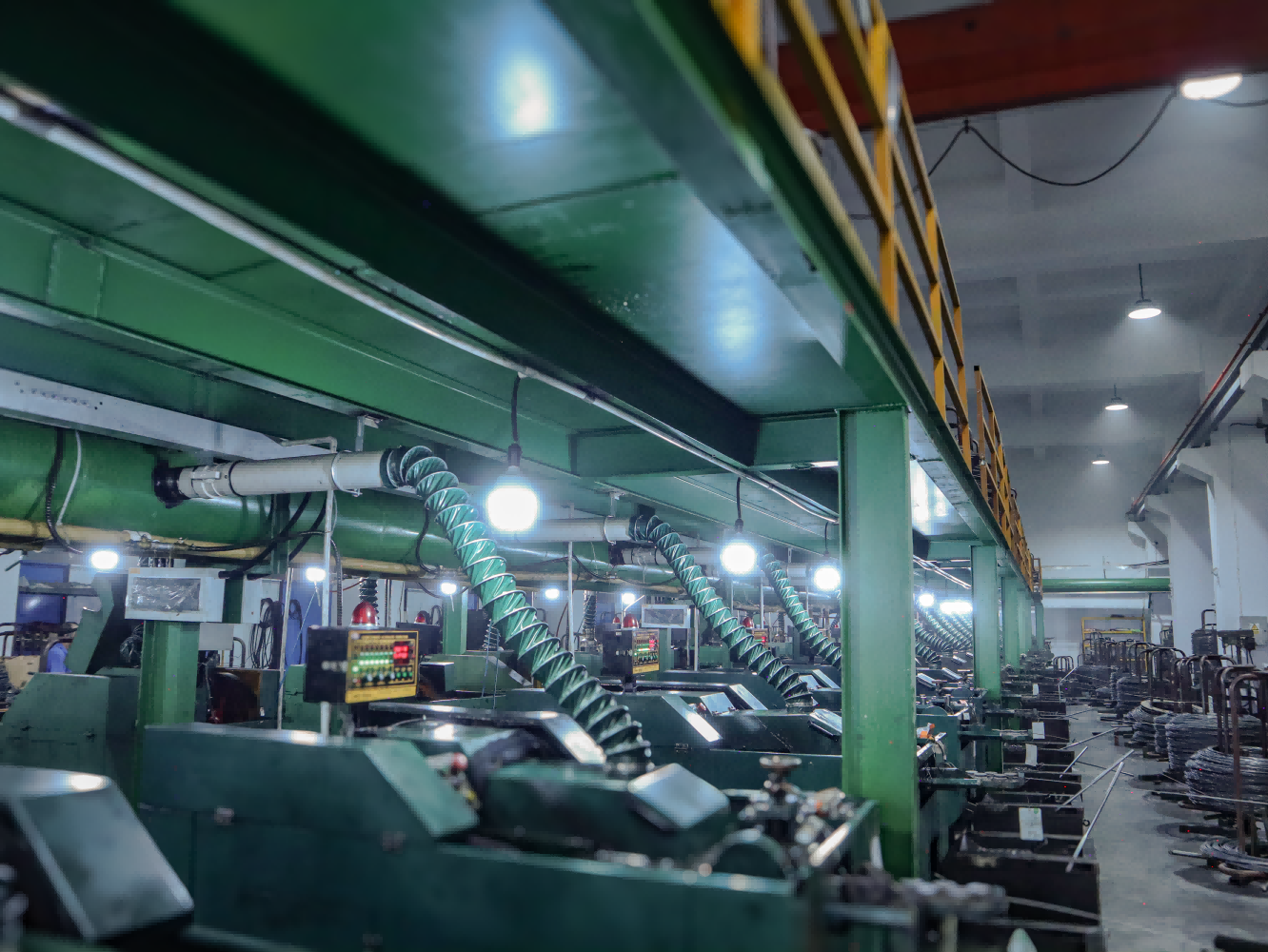 Learn 10 essential factors when buying industrial fasteners, including materials, corrosion protection, standards, quality control, and supplier selection tips.Fastener Technology News
 Learn the main types of fasteners and how to choose bolts, screws, nuts, anchors, and washers by material, strength, coating, standards, and application needs.Fastener Technology News
