


How Surface Finishing Affects Corrosion Resistance of Screws, Bolts, and Nuts
Every year, corrosion costs the global fastener industry billions in premature failures, warranty claims, and project delays. For procurement managers and distributors of screws, bolts, nuts, and tek screws, selecting the right surface finish isn’t just about preventing rust—it directly impacts total cost of ownership, product reliability, and customer satisfaction.
With the right finish, a standard screw can last decades in harsh environments. With the wrong one, even a high-grade fastener fails within months. This article breaks down how common surface treatments influence corrosion resistance, helping you make smarter sourcing decisions for self tapping screw, self drilling screw, bolt, nut, and hex nut applications.
Why Corrosion Resistance Matters More Than You Think
Corrosion doesn’t just affect appearance. It weakens thread engagement, increases friction during installation, and can cause catastrophic joint failure. For a bolt holding structural steel or a hex nut securing heavy machinery, rust creep means lost productivity and safety risks.
From a cost perspective, replacing corroded fasteners in the field often costs 10–20 times the price of the fastener itself. That’s why leading distributors now prioritize surface finish specifications as a key supplier selection criterion.
Common Surface Finishes and Their Corrosion Performance
Zinc Plating – The Cost-Effective Standard
Zinc plating is the most widely used finish for screw and nut applications. It provides sacrificial protection—zinc corrodes first, protecting the underlying steel. Typical salt spray test results range from 72 to 120 hours of white rust resistance (ASTM B117).
For indoor applications like electronics or furniture, zinc-plated self tapping screw performs adequately. However, for outdoor or high-humidity environments, standard zinc plating often falls short without additional sealers.
Hot-Dip Galvanizing – Heavy-Duty Protection
Hot-dip galvanizing applies a thicker zinc layer (typically 45–85µm) compared to electroplating (5–15µm). This finish delivers 500–1,000+ hours of salt spray resistance, making it ideal for bolt and hex nut assemblies used in marine, highway, and utility pole applications.
The trade-off? Thicker coating can affect thread fit. For precision applications, hot-dip galvanized self drilling screw may require tapping after coating to maintain performance.
Zinc Flake Coating (Geomet/Dacromet) – High-Performance Alternative
Zinc flake coatings offer exceptional corrosion resistance (500–1,000+ hours salt spray) without hydrogen embrittlement risk. This finish is common for automotive and industrial tek screw and bolt applications where high strength grades (10.9 or 12.9) are used.
Unlike traditional plating, zinc flake provides consistent lubricity, which is critical for self tapping screw and self drilling screw installations—reducing driving torque and preventing galling.
Stainless Steel – The Corrosion-Proof Choice
Technically not a “finish” but a base material, stainless steel (grades 304, 316) eliminates coating degradation concerns. For a hex nut or screw exposed to saltwater, chemicals, or extreme temperatures, stainless steel is often the only reliable choice.
Grade 316 stainless, with added molybdenum, withstands 1,000+ hours of salt spray with no red rust. The downside: higher upfront cost. However, for mission-critical applications or long-life projects, the total cost of ownership is often lower than recoating or replacing plated fasteners.
How to Match Finish to Application: A Quick Guide

When sourcing self drilling screw for metal roofing or tek screw for HVAC ductwork, always specify the required salt spray hours and test method. Many failures happen because a standard zinc-plated fastener was substituted for a galvanized one without approval.
Avoiding Common Pitfalls in Fastener Selection
Pitfall 1: Ignoring hydrogen embrittlement
High-strength bolt and nut (above grade 8.8) can suffer sudden fracture after zinc plating. Zinc flake or mechanical zinc plating are safer alternatives.
Pitfall 2: Mixing coatings in one assembly
Using a zinc-plated self tapping screw with a stainless steel washer creates galvanic corrosion. Keep mating components in the same galvanic family.
Pitfall 3: Overlooking thread lubrication
Some high-corrosion finishes (like hot-dip galvanizing) increase friction. For self drilling screw and tek screw applications, specify a topcoat wax or integrated lubricant to maintain driving performance.
Make Smarter Fastener Choices Today
Selecting the right surface finish is one of the most effective ways to reduce field failures, lower replacement costs, and build trust with your end customers. Whether you need cost-effective zinc-plated screw for assembly lines or heavy-duty hot-dip galvanized hex nut for infrastructure projects, matching finish to environment is non-negotiable.
Browse our range of corrosion-resistant fasteners – including self tapping screws, self drilling screws, tek screws, bolts, and hex nuts with certified salt spray performance. (Internal link to product collection page)
Need help specifying the right finish for your next order?
Our technical team can review your application environment and recommend the most cost-effective surface treatment. Request a free corrosion resistance consultation or ask for sample test reports.
Other Articles
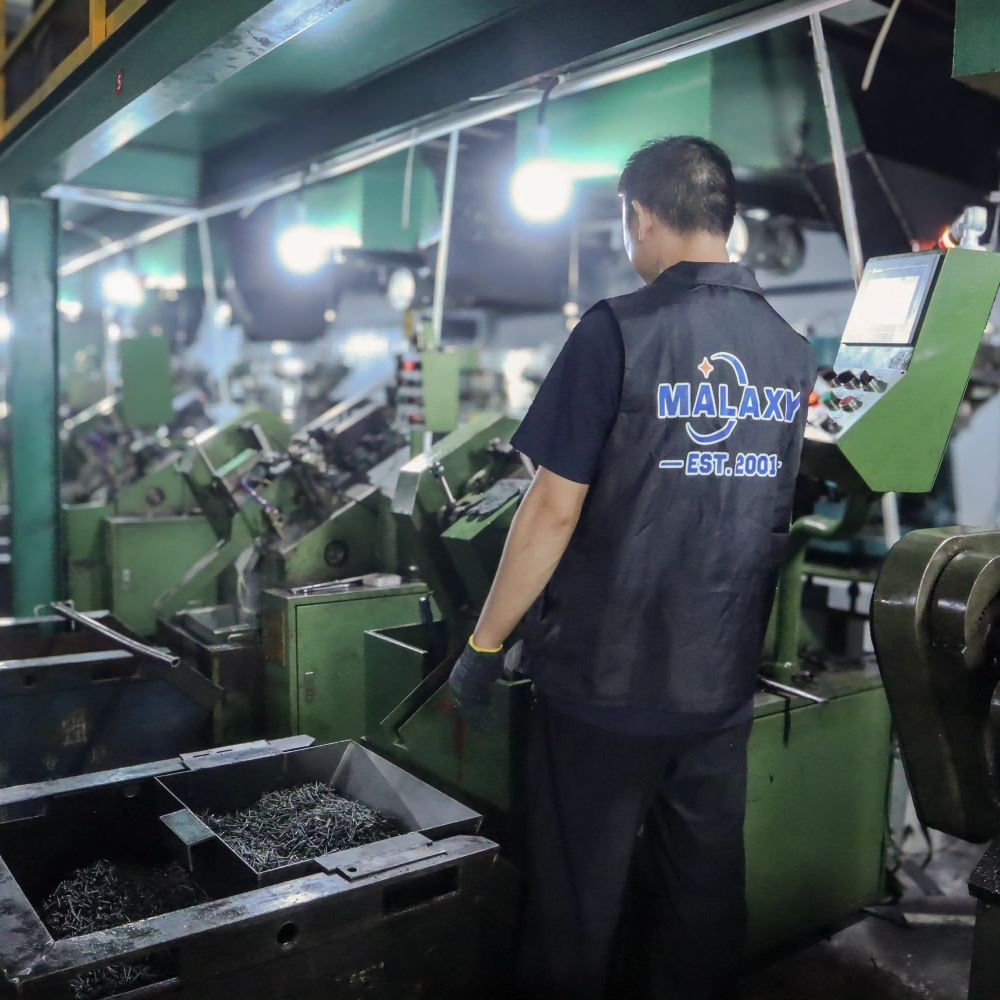
Inside MALAXY’s Fastener Factory in Haiyan, Zhejiang
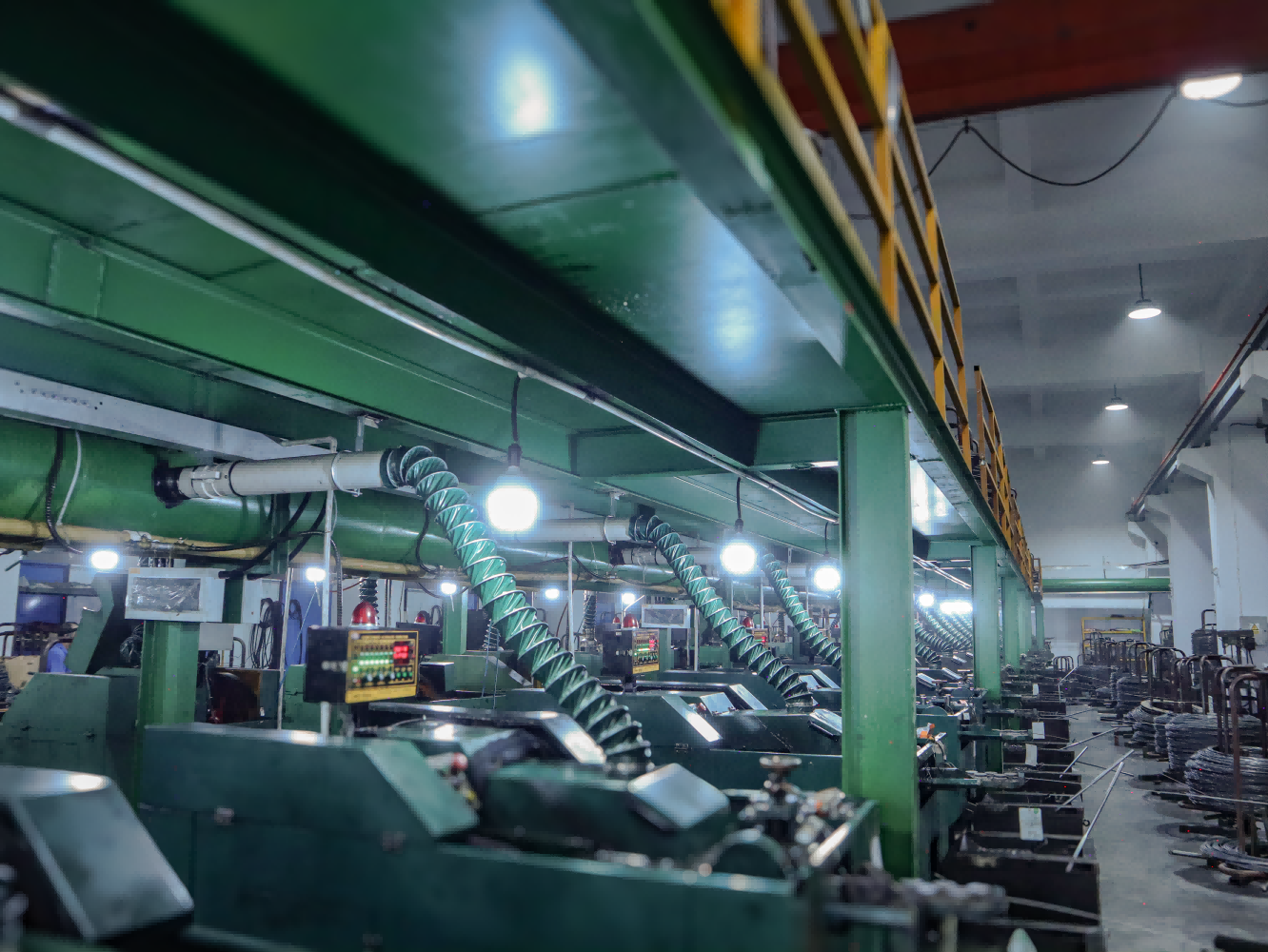
10 Important Factors to Consider When Buying Industrial Fasteners: A Complete Guide for Global Buyers
