


Product Category


Quantity:
库存: 0
Inquire
Add to Basket
ASTM A193 B7 High Tensile Stud Bolts – Headless, double-ended threaded fasteners manufactured from alloy steel (AISI 4140/4142) per ASTM A193 Grade B7 specification. Designed for high-temperature and high-pressure bolting applications including pressure vessels, valves, flanges, and piping systems in oil & gas, petrochemical, and power generation industries. Available in full or partial thread, imperial (1/4″–4″) and metric (M6–M100) sizes, with plain, zinc-plated, hot-dipped galvanized, or PTFE-coated finishes. Supplied with matching ASTM A194 Grade 2H heavy hex nuts and backed by mill test reports (MTRs) and full material traceability

Related News
-
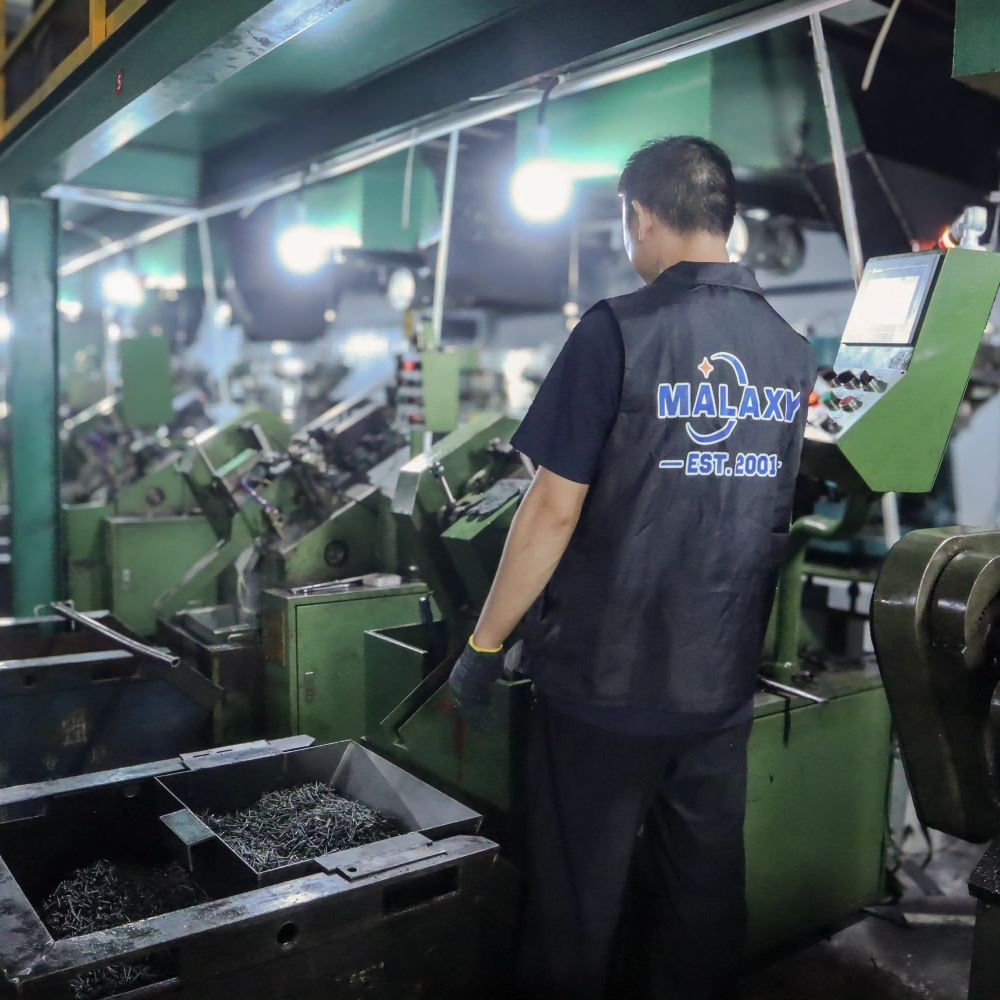 MALAXY is a China-based fastener manufacturer with over 20 years of factory experience in Haiyan, Zhejiang. With a 50,000 m² factory, 200+ employees and exports to 70+ countries, MALAXY supplies self-tapping screws, self-drilling screws, wood screws, hex nuts and other fasteners to global manufacturers, wholesalers and construction contractors. Supported by CE, RoHS, REACH and ISO 9001:2015 certifications, MALAXY provides reliable quality, competitive factory-direct pricing and customized fastener and packaging solutions for bulk B2B buyers.Malaxy Company News
 -
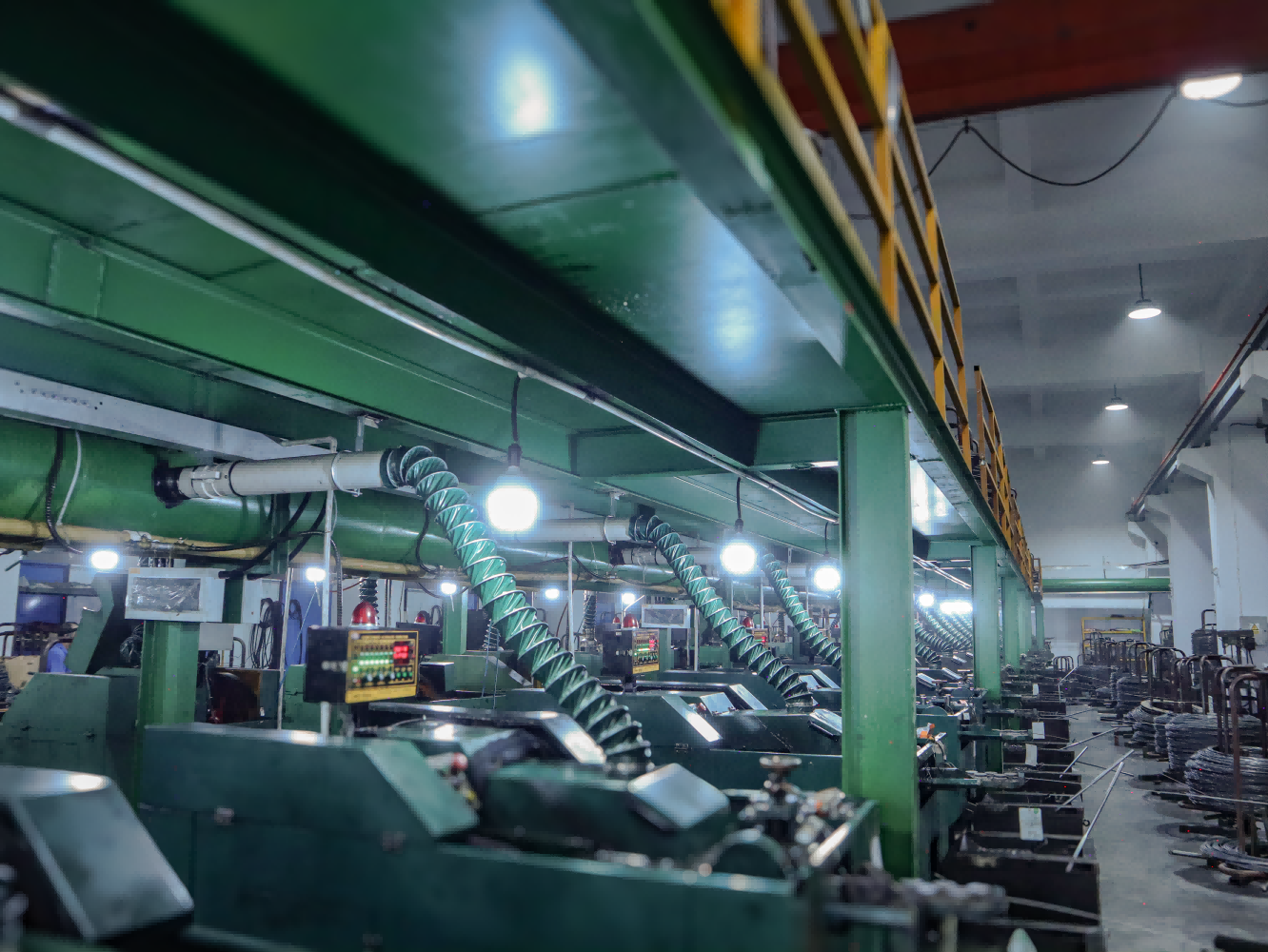 Learn 10 essential factors when buying industrial fasteners, including materials, corrosion protection, standards, quality control, and supplier selection tips.Fastener Technology News
 -
 Learn the main types of fasteners and how to choose bolts, screws, nuts, anchors, and washers by material, strength, coating, standards, and application needs.Fastener Technology News
