


Types of Fasteners and How to Choose Them
1. Introduction
Choosing the wrong fastener can cause loose connections, corrosion, installation problems, and unnecessary maintenance costs. For engineers, importers, distributors, and construction professionals, understanding the main types of fasteners is essential for selecting reliable products.
Fasteners are mechanical components used to join or secure materials. Common types include bolts, screws, nuts, washers, anchors, and threaded rods. The right choice depends on the application, load requirements, base material, corrosion exposure, and installation method.
This guide explains how to identify different industrial fasteners and select the right products for your project.
2. Common Types of Fasteners
Fastener Type | Main Function | Typical Applications |
|---|---|---|
Bolts | Secure components, commonly with nuts | Machinery, steel structures, equipment |
Screws | Fasten materials through threaded engagement | Furniture, construction, metal assemblies |
Nuts | Secure threaded connections | Industrial equipment, machinery |
Washers | Distribute bearing loads, protect surfaces, or provide sealing | Bolted joints, roofing, equipment |
Anchors | Transfer loads into concrete, masonry, or other substrates | Construction, equipment installation |
Threaded Rods | Provide extended threaded connections | Pipe supports, suspended systems, machinery |
Self-drilling screws are designed to drill through specified materials during installation. Self-tapping screws create or cut mating threads, depending on their design and substrate.
Understanding these differences helps buyers specify products correctly and avoid unsuitable substitutions.
3. How to Choose the Right Fastener
3.1 Select the Appropriate Material
Material selection affects strength, durability, corrosion resistance, and cost.
Material | Key Characteristics | Typical Applications |
|---|---|---|
Carbon Steel | Economical, available in various strength classes | General construction and machinery |
Alloy Steel | Suitable for demanding mechanical requirements when properly processed | High-load industrial assemblies |
Stainless Steel 304 / A2 | Good corrosion resistance in many ordinary environments | Equipment, enclosures, general outdoor use |
Stainless Steel 316 / A4 | Generally improved resistance to chloride-related corrosion compared with 304 | Selected coastal and chemical-service applications |
Brass | Corrosion resistant in many suitable environments | Electrical fittings and selected assemblies |
No single material is suitable for every environment. For example, stainless steel 316 generally provides better chloride resistance than 304, but actual performance still depends on exposure conditions.
3.2 Check Strength Grade and Dimensions
The required strength grade depends on the applied load and joint design. Common carbon and alloy steel property classes include 4.8, 8.8, 10.9, and 12.9 for applicable fasteners.
Before ordering, confirm:
Diameter, length, and thread pitch.
Metric or imperial thread system.
Required property class.
Head style and drive type.
Applicable DIN, ISO, ASTM, or other product standards.
For applicable carbon and alloy steel bolts, screws, and studs, ISO 898-1 specifies mechanical and physical property requirements. Stainless steel fasteners are covered by separate standards, including ISO 3506-1 for applicable bolts, screws, and studs.
A similar appearance does not guarantee that two fasteners are interchangeable.
3.3 Choose the Right Corrosion Protection
What are corrosion-resistant screws? They are screws made from corrosion-resistant materials, protected by suitable coatings, or designed using a combination of both to resist deterioration under specified service conditions.
Finish | Typical Use | Important Consideration |
|---|---|---|
Zinc Plated | General indoor applications | Protection depends on coating specifications and exposure |
Hot-Dip Galvanized | Selected outdoor and structural applications | Coating thickness and thread compatibility matter |
Zinc-Flake Coating | Applications requiring specified corrosion protection | Confirm the complete coating system |
Black Oxide | Appearance and limited supplementary protection | Not a substitute for substantial corrosion protection |
Stainless Steel | Applications requiring material-based corrosion resistance | Select the appropriate grade for the environment |
For example, zinc-plated carbon steel screws may be suitable for dry indoor use, while stainless steel or a specified protective coating may be more appropriate for outdoor applications.
Salt spray testing, such as testing under ISO 9227, can assess coating performance under controlled conditions. However, salt spray hours should not be treated as a direct prediction of real-world service life.
3.4 Consider the Installation Environment
Correct selection also depends on the substrate and installation method.
For roofing, verify drilling capacity, supporting material thickness, coating, and sealing-washer compatibility. For concrete anchors, check concrete condition, embedment depth, edge distance, and design loads.
In vibration-prone machinery, engineers should evaluate joint design, preload, and suitable locking methods rather than assuming that a stronger bolt alone will solve loosening problems.
4. Practical Fastener Selection Examples
Indoor machinery: Carbon steel bolts with a suitable property class may be appropriate when the mechanical requirements and environment permit.
Metal roofing: Self-drilling screws with compatible sealing washers can simplify installation. The screw, coating, and washer must suit the panel and supporting structure.
Coastal equipment: Stainless steel may be suitable, but the grade should be selected according to chloride exposure and operating conditions.
These examples show why buyers should specify performance requirements rather than selecting fasteners by price or appearance alone.
5. Manufacturer Insights: Choosing a Reliable Fastener Supplier
A qualified fastener manufacturer should understand product specifications, material selection, manufacturing consistency, and application requirements.
When evaluating a supplier, buyers should check:
Material specifications and traceability.
Dimensional and mechanical requirements.
Coating specifications and inspection records.
Compliance with applicable product standards.
Packaging, labeling, and customization options.
MALAXY is a fastener manufacturer based in Haiyan, Zhejiang, China, with more than 20 years of production experience and export experience in over 70 countries.
Its product range includes screws, bolts, nuts, anchors, washers, self-drilling screws, and self-tapping screws. Buyers can discuss product specifications, materials, finishes, packaging, and customized requirements with the MALAXY team.
Clear specifications and consistent quality requirements help reduce purchasing risks and improve supply-chain reliability.
6. Frequently Asked Questions
Q: What are the main types of fasteners?
A: The main types include bolts, screws, nuts, washers, anchors, threaded rods, studs, and rivets. Each serves a different joining or installation purpose.
Q: How do I choose the right fastener?
A: Consider the joint design, load, base material, dimensions, strength grade, corrosion exposure, installation method, and applicable standards.
Q: What is the difference between self-drilling and self-tapping screws?
A: Self-drilling screws have a drill point designed to penetrate specified materials. Self-tapping screws form or cut mating threads, depending on their design.
Q: Are stainless steel screws always corrosion resistant?
A: No. Corrosion resistance depends on the stainless steel grade and operating environment. Chloride exposure, temperature, and crevice conditions can affect performance.
Q: What is the difference between zinc-plated and stainless steel screws?
A: Zinc-plated screws typically use a protective zinc coating over steel, while stainless steel screws rely primarily on the alloy's corrosion resistance. Suitability depends on the environment and required performance.
Q: Which standards should buyers check when purchasing fasteners?
A: Relevant standards may include ISO, DIN, ASTM, and other application-specific requirements. Confirm dimensions, material, property class, finish, and product standard before ordering.
Other Articles
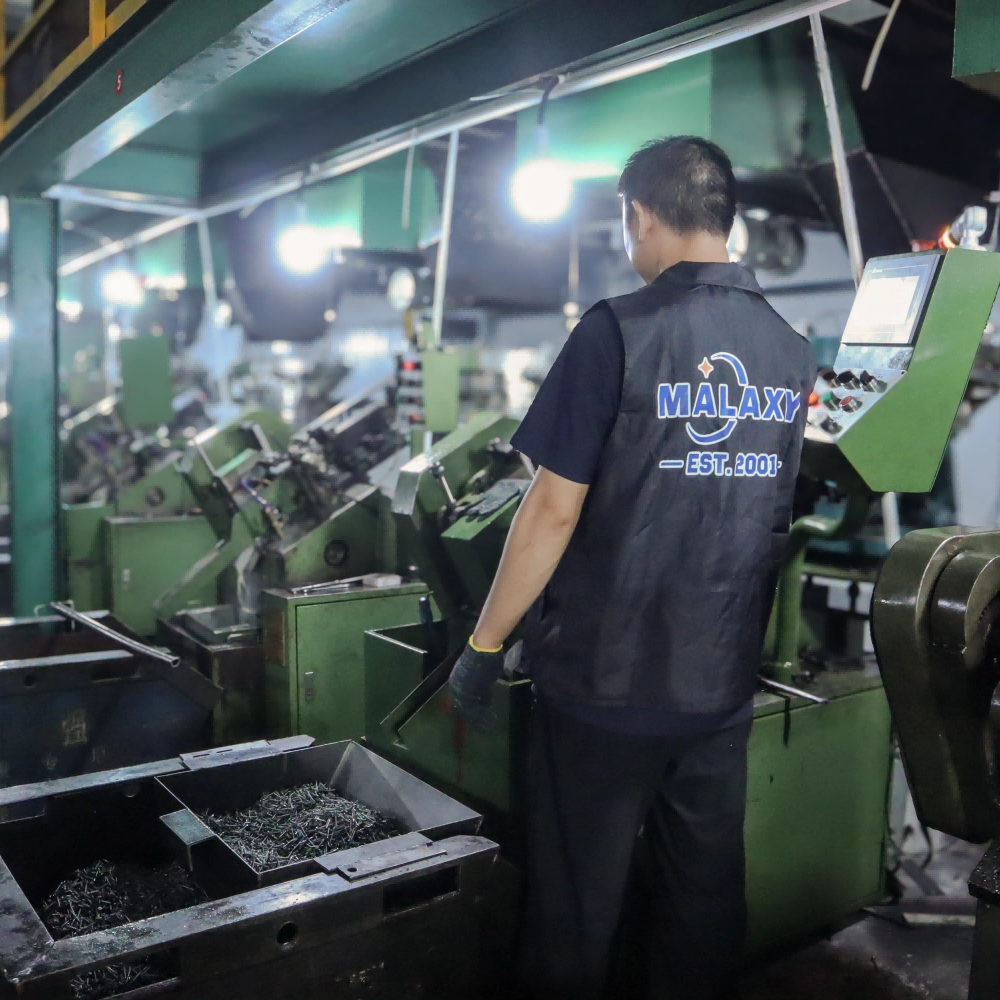
Inside MALAXY’s Fastener Factory in Haiyan, Zhejiang
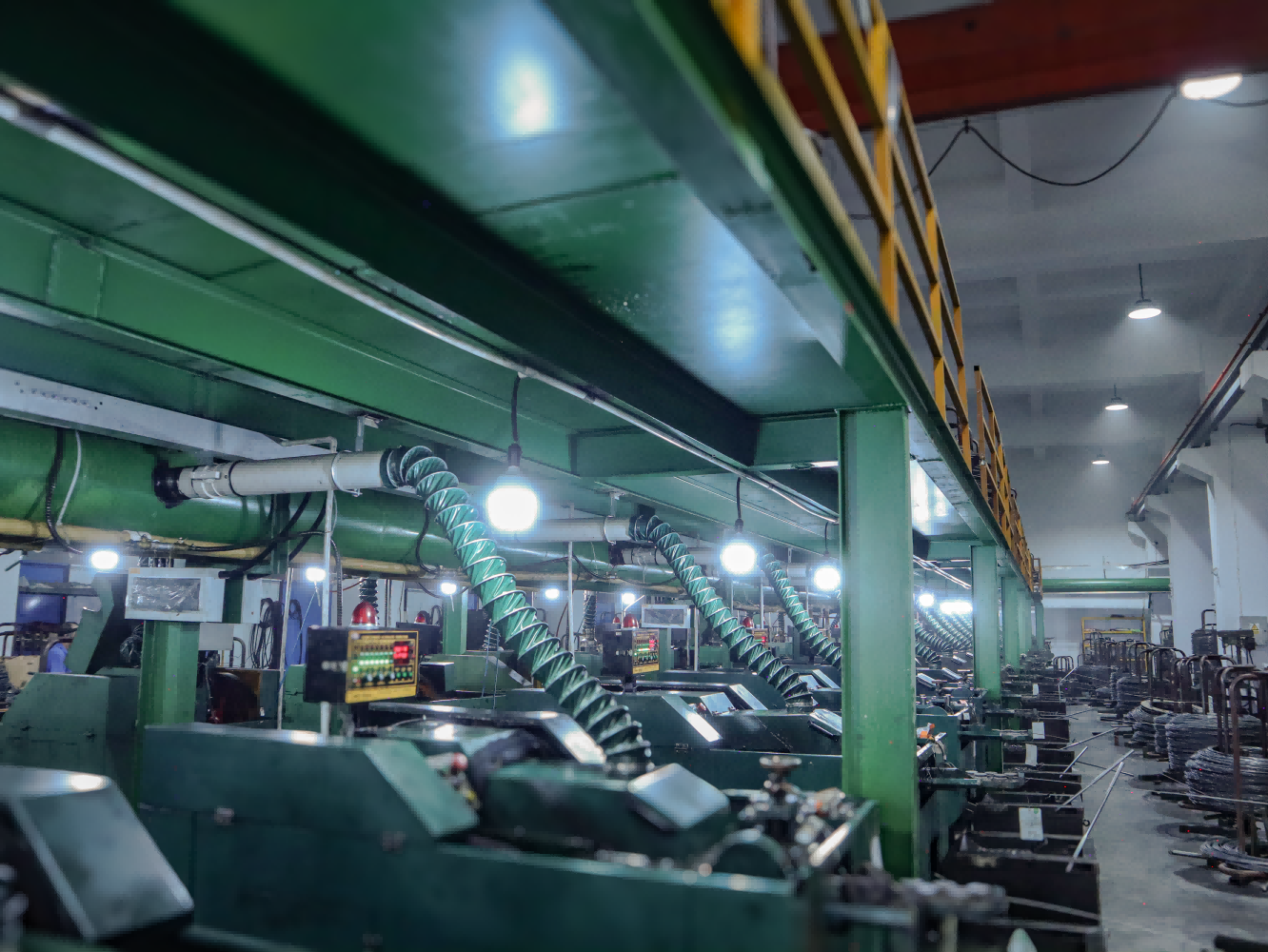
10 Important Factors to Consider When Buying Industrial Fasteners: A Complete Guide for Global Buyers