Malaxy Threaded Wood Inserts Nuts, also known as furniture threaded insert nuts, wood threaded inserts, or hex drive inserts for wood, are high-performance fasteners designed to provide strong, reliable metal threads in wood-based materials. These inserts create durable threaded holes in softwood, hardwood, MDF, plywood, particleboard, and composite panels, enabling repeated assembly and disassembly without thread stripping or material damage.
Manufactured to international standards including DIN 1624 (T-nut specification) and available in Type D (flanged) and Type E (flush) designs, our threaded wood inserts are essential components in furniture manufacturing, ready-to-assemble (RTA) furniture, cabinetry, drawer pulls, display cases, crating, and general woodworking applications.
Key Features & Technical Specifications
Hex Socket Drive (Internal Hexagon): Precision-engineered hex drive design allows for efficient torque transfer and secure installation using a standard Allen wrench, eliminating slippage during assembly.
Self-Tapping External Threads: Broad, coarse external threads cut directly into pre-drilled wood holes, providing exceptional holding power in materials such as pine, MDF, plywood, and composition board. No pre-tapping required.
Multiple Material Options:
Zinc Alloy (Die-Cast): Cost-effective for lightweight furniture and MDF panels. Offers good corrosion resistance for indoor use and is ideal for flat-pack furniture and mass production applications.
Brass: Naturally rust-resistant, ideal for high-humidity environments such as bathroom furniture and kitchen cabinets. Excellent machinability and thread integrity for repeated assembly/disassembly.
Carbon Steel (Zinc-Plated): High tensile strength for heavy-duty applications. Provides significantly higher torque resistance and load capacity, suitable for hardwood and structural assemblies.
Stainless Steel 304/316: Superior corrosion resistance for outdoor furniture, marine applications, and harsh environments.
Sizes Available: Metric M4, M5, M6, M8, M10; Inch #8-32, #10-24, 1/4-20, 5/16-18, 3/8-16.
Surface Finishes Available: Self colour (plain), zinc-plated (blue/white/yellow), nickel-coated, black oxide, passivation.
Installation: Pre-drill hole to recommended diameter, then drive insert using hex key (Allen wrench) or power driver with hex bit. For softwoods, the self-tapping external threads cut securely into the material without splitting.
Applications
Furniture Manufacturing: Bed frames, cabinets, tables, chairs, ready-to-assemble (RTA) furniture, and modular furniture systems
Woodworking & Joinery: Joining wood panels, drawer slides, shelf brackets, workbenches, and adjustable shelving
Display & Retail: Display cases, point-of-purchase displays, shipping crates, and reusable packing frames
DIY & Repair Projects: Creating reusable threaded holes in wood for fixtures that require repeated disassembly
Outdoor Furniture: Using stainless steel or coated brass variants for weather-resistant applications
Industrial Wood Fixtures: Heavy-duty workbenches, equipment bases, and structural wooden assemblies
Quality Assurance & Compliance
Manufactured in accordance with DIN 1624 standards
Thread precision ensures compatibility with standard bolts (metric/ISO and inch/UNC)
ISO 9001 certified manufacturing processes
Rigorous dimensional inspection and torque testing
Custom sizes and non-standard specifications available for OEM orders
Customization Services
Malaxy offers comprehensive OEM/ODM services for threaded wood inserts:
Custom sizes (thread diameter, length, external diameter)
Special materials upon request
Custom surface finishes and coatings
Parts manufactured to customer drawings and specifications
Why Choose Malaxy?
As a leading fastener manufacturer in China, Malaxy combines advanced production capabilities with stringent quality control, industry expertise, and competitive pricing. We are a trusted partner for furniture manufacturers, hardware distributors, and industrial buyers worldwide.
For inquiries, quotations, or technical support regarding threaded wood inserts nuts, please contact our sales team. We look forward to supporting your furniture assembly and woodworking projects with high-quality fastening solutions.



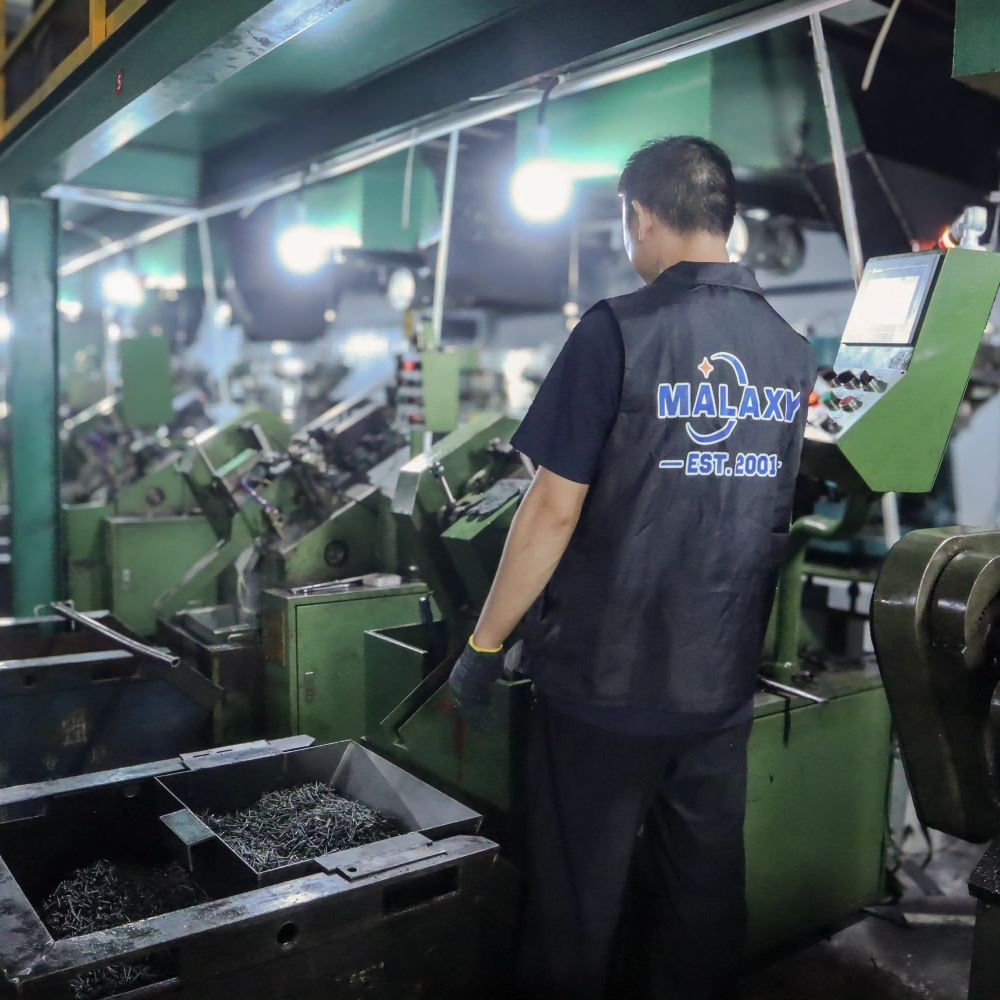 MALAXY is a China-based fastener manufacturer with over 20 years of factory experience in Haiyan, Zhejiang. With a 50,000 m² factory, 200+ employees and exports to 70+ countries, MALAXY supplies self-tapping screws, self-drilling screws, wood screws, hex nuts and other fasteners to global manufacturers, wholesalers and construction contractors. Supported by CE, RoHS, REACH and ISO 9001:2015 certifications, MALAXY provides reliable quality, competitive factory-direct pricing and customized fastener and packaging solutions for bulk B2B buyers.Malaxy Company News
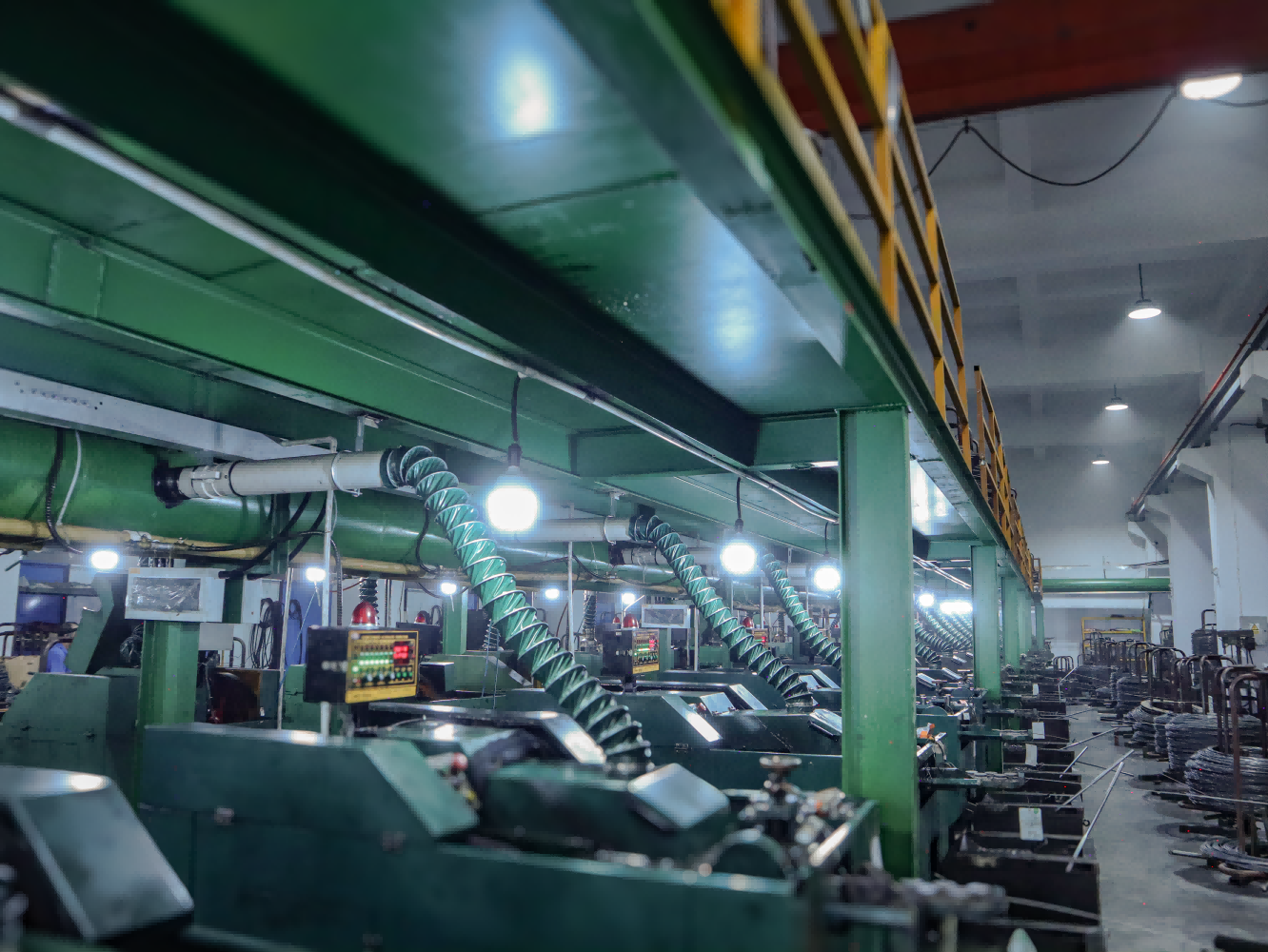 Learn 10 essential factors when buying industrial fasteners, including materials, corrosion protection, standards, quality control, and supplier selection tips.Fastener Technology News
 Learn the main types of fasteners and how to choose bolts, screws, nuts, anchors, and washers by material, strength, coating, standards, and application needs.Fastener Technology News
