Malaxy Brass Nuts are precision-engineered hexagonal fasteners manufactured from high-quality brass alloys, offering a unique combination of corrosion resistance, non-magnetic properties, thermal and electrical conductivity, and aesthetic appeal. Unlike carbon steel nuts that are prone to rust, brass nuts provide natural resistance to moisture and corrosion without requiring surface coating.
Brass is an alloy of copper and zinc, and our brass nuts are produced to the highest industry standards, including DIN 934 (full hex nuts), ISO 4032 (metric hex nuts), and ISO 4035 / DIN 439B (thin/jam nuts). With a global market valued at USD 1.1 billion in 2024 and projected to grow at a CAGR of 5.78% to reach USD 1.73 billion by 2032, brass nuts are increasingly in demand across plumbing, electrical, marine, and industrial sectors.
Key Features & Technical Specifications
Material Grades:
Malaxy brass nuts are available in multiple brass alloy grades to suit different application requirements:
Grade | Composition | Key Properties | Standards |
|---|
C36000 (Free Cutting Brass) | 60% Cu, 36% Zn, 3% Pb | High machinability, moderate strength, excellent thread precision | ASTM B16, BS CZ121, DIN 2.0401 |
CuZn39Pb3 (CW614N) | 57-59% Cu, 37-39% Zn, 2.5-3.5% Pb | European standard leaded brass, superior machinability | EN 12164, BS CZ121 |
C37700 (Forging Brass) | 58-61% Cu, 35-41% Zn, 1-2% Pb | High strength, excellent hot workability | ASTM B124, BS CZ122 |
C46400 (Naval Brass) | 60% Cu, 39% Zn, 0.75% Sn | Superior corrosion resistance, dezincification-resistant for marine | ASTM B21, BS CZ130 |
C69300 (Lead-Free Brass) | 76-82% Cu, 15-20% Zn, 2-4% Si | Lead-free, eco-friendly, RoHS compliant for potable water | ASTM B371, DIN CuZn21Si3P |
C36000 is the most widely used grade for general-purpose brass nuts, offering the best balance of machinability and cost-effectiveness.
Lead-free brass (C69300) is available for applications requiring compliance with potable water system regulations.
Naval brass (C46400) is recommended for extended exposure to seawater environments.
Key Properties:
Corrosion Resistance: Brass naturally resists rust and corrosion without surface coating. Water-resistant and anti-corrosive features make it ideal for marine environments, humid conditions, and outdoor applications.
Non-Magnetic: Brass is anti-magnetic and will not be affected by magnetic fields, making it essential for medical equipment, electronic devices, MRI machines, and precision instrumentation.
Thermal & Electrical Conductivity: Excellent heat and electricity conductivity, suitable for electrical connectors, grounding systems, and thermal management applications.
Aesthetic Appeal: Golden-yellow appearance with good decorative properties, ideal for visible hardware and architectural applications.
No Galling on Stainless Steel: Unlike stainless steel nuts which can gall (cold weld) on stainless bolts, brass nuts provide smooth assembly and disassembly with stainless steel threads.
Good Machinability: Excellent chip-breaking properties enable high-speed precision machining and consistent thread quality.
Standards & Configurations:
DIN 934 / ISO 4032 – Standard full hex nuts (normal height)
ISO 4035 / DIN 439B – Thin hex nuts (jam nuts / lock nuts), approximately 2/3 the height of standard nuts
DIN 936 – Hexagon thin nuts (alternative standard)
ASME B18.2.2 – Inch series hex nuts (UNC/UNF threads)
Thread Types Available:
Metric Coarse (ISO) – Standard threads for general applications
Metric Fine – For precision applications requiring finer adjustment
UNC (Unified National Coarse) – Standard for North American markets
UNF (Unified National Fine) – For aerospace, hydraulic, and high-strength applications
BSW (British Standard Whitworth) – For UK and Commonwealth legacy applications
BSP (British Standard Pipe) – For pipe fitting and plumbing connections
NPT (National Pipe Thread) – For sealed pipe joints in oil and gas
Surface Finishes:
Plain (Self-Colour): Natural brass finish, retains golden appearance and corrosion resistance
Nickel-Plated: Enhanced corrosion protection, bright silver appearance, RoHS compliant
Zinc-Plated: Economical corrosion protection
Chrome-Plated: Decorative bright finish for visible hardware
Passivated: Chemical treatment for maximum corrosion resistance
Size Availability:
Metric: M2, M2.5, M3, M4, M5, M6, M8, M10, M12, M14, M16, M20, M24, M30, M36
Inch: #4-40, #6-32, #8-32, #10-24, 1/4"-20, 5/16"-18, 3/8"-16, 1/2"-13, 5/8"-11, 3/4"-10, 7/8"-9, 1"-8, and larger upon request
Applications
Plumbing & Pipe Fittings:
Faucet and valve assemblies, pipe connections, water heater fittings, irrigation systems, and potable water applications(注意:需使用无铅黄铜满足NSF/ANSI 61认证要求)
Electrical & Electronics:
Cable gland locknuts, electrical connectors, terminal blocks, PCB mounting nuts, switchgear assemblies, and grounding systems
RoHS-compliant options available for electronics manufacturing
Marine & Offshore:
Boat hardware, dock fittings, deck equipment, marine plumbing, and underwater applications(海洋工程推荐C46400海军黄铜)
Pneumatic & Hydraulic Systems:
Decorative & Architectural Hardware:
Visible fasteners for furniture, lighting fixtures, railings, bathroom hardware, and premium consumer goods(黄铜的金黄色外观提升产品档次)
Medical & Precision Equipment:
Non-magnetic fasteners for MRI machines, medical imaging equipment, surgical instruments, and laboratory apparatus
Automotive & Transportation:
Industrial Machinery:
Quality Assurance & Compliance
Manufactured under ISO 9001:2015 certified quality management system
100% dimensional inspection per DIN/ISO standards
Thread gauging per ISO 1502 using GO/NO-GO gauges
Material certifications (EN 10204 3.1) available upon request
RoHS compliance available for electronic/electrical applications
REACH compliance available upon request
NSF/ANSI 61 certification available for lead-free brass nuts used in potable water systems
Customization Services
Malaxy offers comprehensive OEM/ODM services for brass nuts:
Custom thread sizes (metric or inch)
Special heights and configurations
Custom surface finishes and coatings
Laser marking or branding (size, grade, logo)
Non-standard brass alloy grades
Parts manufactured to customer drawings and specifications
Small batch production for prototype or specialized requirements
Why Choose Malaxy?
As a leading fastener manufacturer in China, Malaxy combines advanced cold forging and CNC machining capabilities with stringent quality control, decades of industry expertise, and competitive pricing. Our brass nuts are trusted by plumbing OEMs, electrical component manufacturers, marine hardware distributors, and industrial buyers worldwide. With a global brass nut market poised for significant growth driven by demand from plumbing, electrical, and automotive industries, Malaxy is well-positioned to support your supply chain needs with reliable quality and fast lead times.
Contact Us
For inquiries, quotations, or technical support regarding Brass Nuts, please contact our sales team. We look forward to being your trusted partner for high-quality brass fastening solutions.



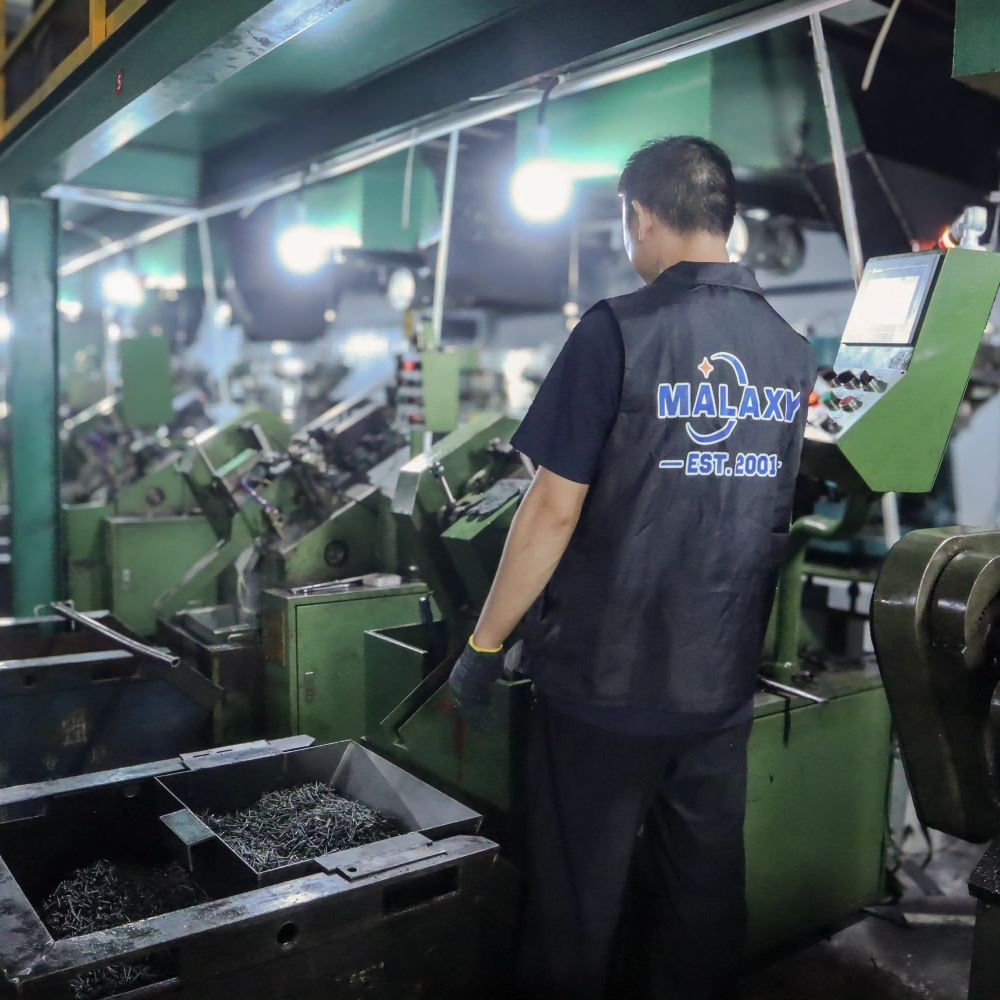 MALAXY is a China-based fastener manufacturer with over 20 years of factory experience in Haiyan, Zhejiang. With a 50,000 m² factory, 200+ employees and exports to 70+ countries, MALAXY supplies self-tapping screws, self-drilling screws, wood screws, hex nuts and other fasteners to global manufacturers, wholesalers and construction contractors. Supported by CE, RoHS, REACH and ISO 9001:2015 certifications, MALAXY provides reliable quality, competitive factory-direct pricing and customized fastener and packaging solutions for bulk B2B buyers.Malaxy Company News
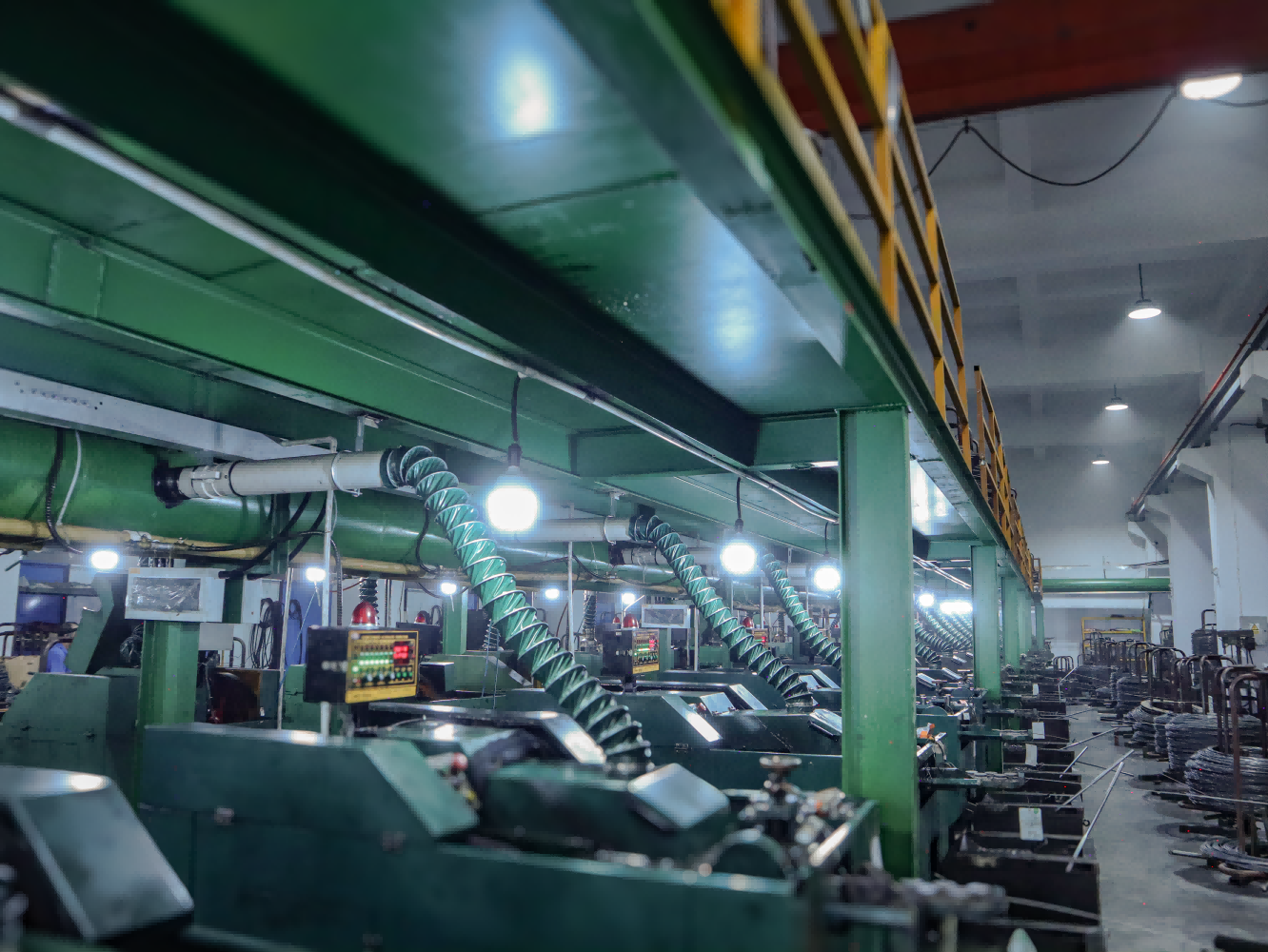 Learn 10 essential factors when buying industrial fasteners, including materials, corrosion protection, standards, quality control, and supplier selection tips.Fastener Technology News
 Learn the main types of fasteners and how to choose bolts, screws, nuts, anchors, and washers by material, strength, coating, standards, and application needs.Fastener Technology News
