Concrete Screws – Direct-to-Masonry Fastening Solution for Construction Professionals
What Are Concrete Screws?
Concrete screws, also known as masonry screws, anchor screws, or cement screws, are hardened steel fasteners designed to thread directly into pre-drilled holes in concrete, brick, block, and other masonry substrates without requiring separate expansion anchors, plastic plugs, or chemical adhesives. Unlike traditional anchors that rely on outward expansion pressure, concrete screws cut their own threads into the base material, creating a mechanical interlock that provides excellent holding power while eliminating expansion stress on the substrate.
Concrete screws have become the preferred fastening solution for professionals in construction, electrical, plumbing, and industrial sectors. Industry-leading brands such as Simpson Strong-Tie (Titen series), Tapcon, Powers, and Red Head have established concrete screws as a reliable, time-saving alternative to wedge anchors, sleeve anchors, and drop-in anchors.
Key Features & Benefits
No Anchor Sleeve Required: Concrete screws tap directly into the base material, eliminating the need for separate expansion anchors, plastic plugs, or lead shields—significantly reducing material costs and installation time.
Self-Tapping Hi-Low Thread Design: The patented high-low thread geometry features alternating raised and lowered threads with precision notches that cut into concrete and masonry, creating a secure, vibration-resistant hold. The diamond-shaped point enables smooth entry and debris clearing during installation.
Premium Material Construction: Manufactured from heat-treated carbon steel (C1022A or 10B21 grade) with case-hardened surface, or Type 410 / 304 / 316 stainless steel for superior corrosion resistance in marine, coastal, and chemical environments.
Multi-Layer Corrosion Protection: Carbon steel concrete screws feature a multi-step coating process—zinc undercoating plus blue polymer topcoat (Climaseal®-equivalent)—providing galvanic protection even if the outer layer is scratched. Stainless steel options offer maximum corrosion resistance for outdoor and high-moisture applications.
Minimal Expansion Pressure: Unlike wedge anchors and expansion anchors, concrete screws exert no outward expansion force during installation. This allows for safe installation near edges (as close as 1-3/4") and in brittle or cracked materials without risk of substrate damage.
Removable and Reusable: Concrete screws can be easily removed using standard tools, unlike permanent expansion anchors that require grinding for removal. This feature is ideal for temporary installations, modular setups, and applications requiring future disassembly.
Multiple Head Styles for Application Flexibility: Hex washer head provides maximum torque transfer and a built-in bearing surface, ideal for metal-to-concrete connections. Flat countersunk Phillips head sits flush with the surface for a clean, finished appearance.
Code Compliance Ready: Many concrete screws comply with ASTM C1513 standards and are ICC-ES approved (ESR listed) for structural use, meeting IBC and IRC building code requirements for commercial and residential construction projects.
High Load-Bearing Capacity: Concrete screws offer excellent pull-out and shear strength values. For example, a 1/4" diameter concrete screw can achieve up to 950 lbs ultimate tension strength in 4000 psi concrete (with 4:1 safety factor for working load).
Fast Installation – Up to 50% Faster: Concrete screws install 2–3 times faster than traditional wedge anchors or sleeve anchors, significantly reducing labor costs and accelerating project timelines. No waiting for chemical adhesive curing.
Applications
Concrete screws are widely used across residential construction, commercial building, industrial facilities, and infrastructure projects:
Electrical Installations: Mounting electrical junction boxes, conduit straps, cable trays, and panel boards to concrete walls and ceilings
Structural Framing: Attaching metal studs, wood furring strips, and base plates to concrete floors and foundation walls
Deck and Exterior Construction: Securing deck ledger boards, railing posts, stair stringers, and outdoor fixtures (stainless steel recommended for treated lumber and coastal areas)
Heavy Equipment Anchoring: Fastening machinery bases, conveyor systems, storage racks, and industrial equipment to concrete floors
Safety Systems: Installing handrails, guardrails, safety barriers, and fall protection anchors
Building Envelope: Securing window frames, door thresholds, exterior insulation finishing systems (EIFS), and metal flashing
HVAC and Plumbing: Mounting HVAC units, ductwork supports, pipe clamps, and plumbing fixtures
Signage and Lighting: Installing street signs, traffic signals, parking lot lighting poles, and commercial signage
Marine and Coastal Construction: Stainless steel concrete screws for docks, seawalls, boat lifts, and waterfront structures
Installation Guidelines
For optimal performance, follow these installation recommendations:
Drill pilot hole using a carbide-tipped masonry bit of the correct diameter—5/32" for 3/16" screws, 3/16" for 1/4" screws
Drill depth to accommodate minimum embedment of 1" (maximum 1-3/4" for optimal thread engagement) plus fixture thickness
Clean the hole with compressed air to remove dust and debris
Drive screw using an impact driver or hammer drill (rotary only, no hammer mode during driving) with appropriate bit—hex driver for hex head, Phillips #2/#3 for flat head
Do not overtighten—stop when head contacts the fixture surface
Minimum edge distance of 1-3/4" to prevent substrate cracking
Minimum spacing of 10 anchor diameters between screws
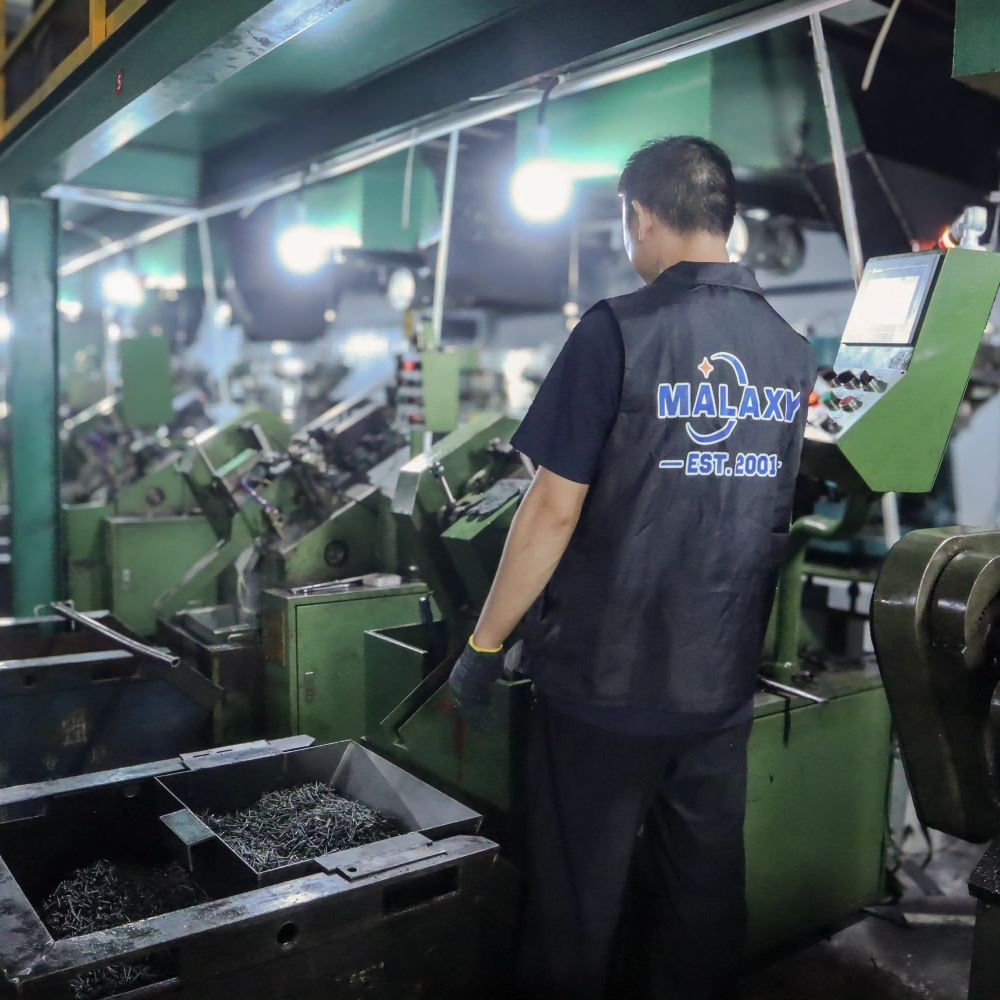
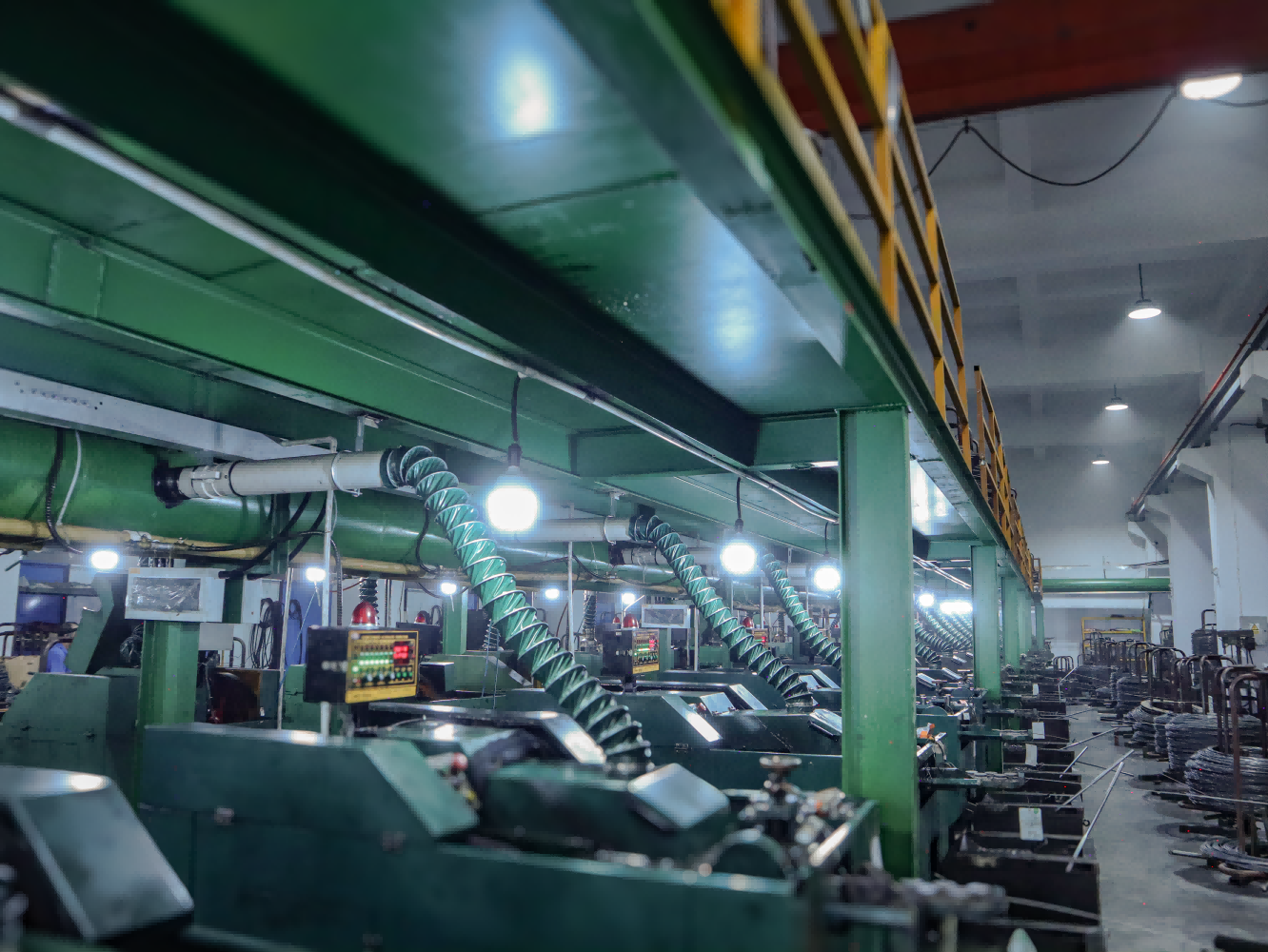
Why Choose Malaxy Concrete Screws?
As a leading fastener manufacturer in China—the world's largest fastener production hub—Malaxy delivers premium-quality concrete screws backed by ISO-certified production processes, stringent quality control, and competitive wholesale pricing. We support full OEM customization on diameter, length, head type, drive style, thread design, finish, and packaging. Bulk orders, global shipping, and sample availability. Partner with Malaxy for reliable, high-performance concrete fastening solutions that drive efficiency and safety on every project.