


Fasteners Are More Than Just Screws: A Guide to Common Types and Their Uses
In mechanical manufacturing, construction engineering, and even everyday life, fasteners are everywhere—yet they are often underestimated. Many people habitually refer to all fasteners as "screws," but in reality, this family of components is far larger and more sophisticated than most imagine. Today, we will systematically explore the common types of fasteners and their core applications, taking you into the world of these "small parts with a big role."
Fasteners: The "Invisible Backbone" of Industry
Fasteners, as the name suggests, are a class of mechanical parts used to securely join two or more components (or structures) into a single assembly. They are characterized by a wide variety of types and specifications, diverse performance characteristics, and a high degree of standardization, serialization, and interchangeability. From eyeglass frames and smartphones to cross-sea bridges and wind turbines, reliable fastening is indispensable.
Common Types of Fasteners and Their Applications
1. Screws
This is the most widely used category. Screws generally refer to cylindrical or tapered components with external threads. Depending on head shape, drive type, and application, they can be divided into machine screws, self-tapping screws, wood screws, and more. Machine screws are used with nuts or pre-tapped holes in precision machinery; self-tapping screws can form mating threads directly in metal or plastic and are widely used in electronics and home appliances.
2. Bolts
Bolts are typically used in conjunction with nuts to join two components with through-holes. This type of connection is detachable, making it convenient for disassembly. Based on load-bearing characteristics, there are ordinary bolts and close-fit bolts; based on head shape, there are hexagon head, double-end, countersunk head, and others. In bridges, steel structures, and heavy machinery, high-strength bolts serve as critical load-bearing components.
3. Nuts
As the "perfect partner" for bolts, nuts feature internal threads and create clamping force through preload when tightened onto a bolt. Common types include hex nuts, lock nuts, flange nuts, and others. In applications involving vibration, locknuts or lock washers are essential for preventing loosening.
4. Washers
Though small, washers play a critical role. Installed between the nut and the joined component, they primarily serve to increase the bearing area, reduce surface pressure, prevent loosening, and protect the surface of the parts. Spring washers are especially common for anti-loosening applications, while flat washers are more often used to distribute clamping pressure.
5. Expansion Anchors
These are indispensable fasteners in construction and installation applications. Expansion anchors use a wedge mechanism to expand a sleeve, generating significant frictional grip that securely fixes the fastener into concrete or masonry substrates. They are commonly used in curtain wall installation, pipe supports, outdoor air conditioner mounting, and similar scenarios.
6. Threaded Rods / Studs
Also known as stud bolts or threaded rods, these are rod-shaped fasteners with threads on both ends or along the entire length. One end is screwed into a component with internal threads, while the other end passes through a through-hole and is secured with a nut. In large equipment, pressure vessels, and pipe flange connections, threaded rods are essential for achieving through-bolted fastening.
Professional Expertise: Two Decades of Industry Commitment
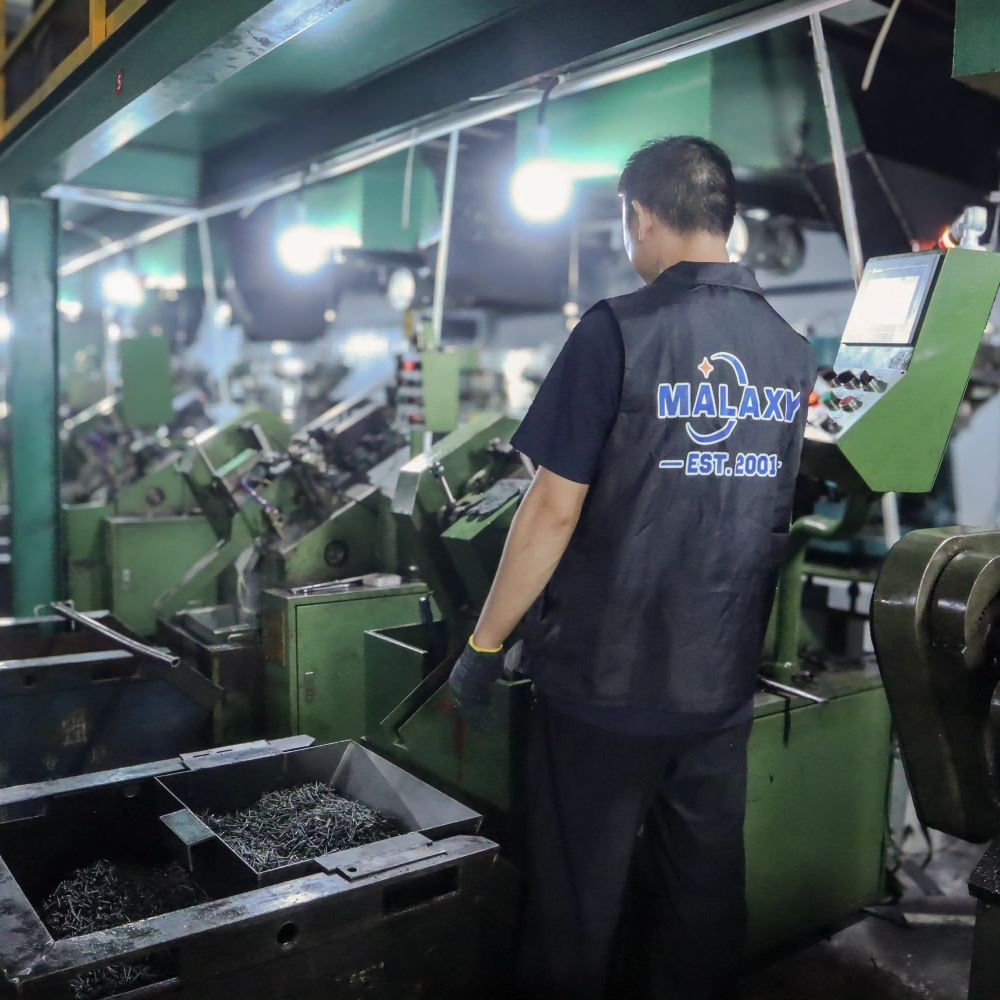
China plays a vital role in the global fastener supply chain. Shanghai Malaxy Co., Ltd. , a professional fastener trading company with 20 years of industry experience, leverages its deep expertise to deliver high-quality "Made in China" fasteners to markets worldwide.
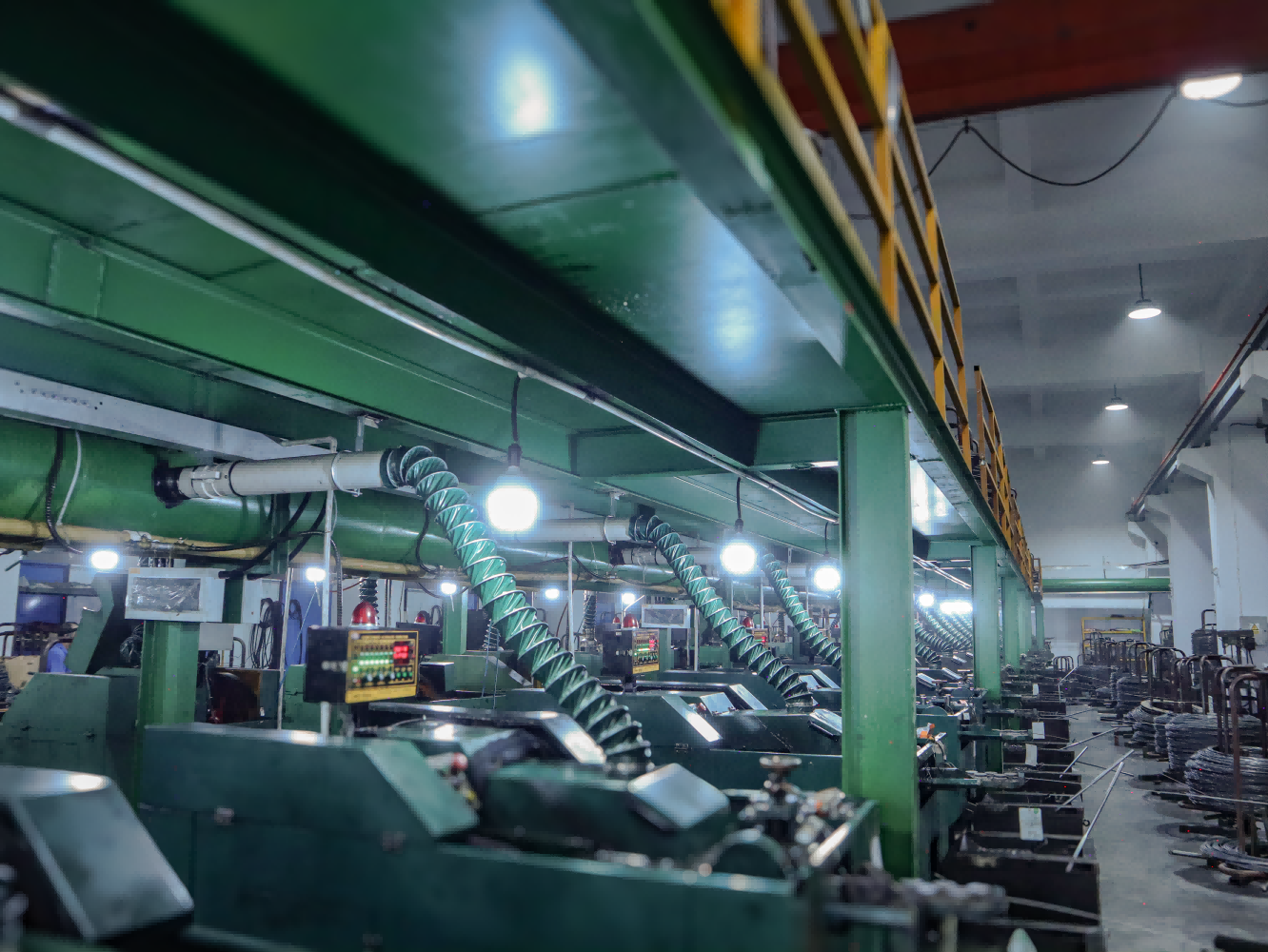
The company's manufacturing base is located in Haiyan, Jiaxing, Zhejiang Province —a key fastener production hub in China. Benefiting from the advantages of this industrial cluster, Malaxy offers an exceptionally wide product range, covering everything from common screws, bolts, and nuts to specialized expansion anchors, washers, threaded rods, and more—forming a comprehensive product portfolio.
According to publicly available information, the company's products have earned positive feedback and repeat orders from clients in more than 70 countries globally. The key to meeting the diverse needs of overseas buyers lies in the company's ability to provide flexible options not only in product specifications but also in grade, material, and packaging. Whether carbon steel, stainless steel, or alloy steel; whether Grade 4.8, 8.8, or high-strength Grade 12.9—each option can be precisely matched to the application requirements.
Conclusion
Though small in size, fasteners bear the weight of industrial operation and safety. From a simple screw to a sophisticated anti-loosening assembly, each type of fastener plays an irreplaceable role in its specific application. For purchasers and end-users alike, understanding the classification and characteristics of fasteners—and choosing a reliable, experienced supplier—is the first step toward ensuring project safety and enhancing product quality.
Other Articles
Inside MALAXY’s Fastener Factory in Haiyan, Zhejiang
10 Important Factors to Consider When Buying Industrial Fasteners: A Complete Guide for Global Buyers