


Global Fastener Market 2026: Rising Demand, Tariffs, Steel Costs and New Opportunities for Screws, Bolts and Nuts
Introduction
For fastener buyers in 2026, the biggest challenge is no longer simply finding screws, bolts or nuts at the lowest unit price. Buyers are increasingly dealing with three connected issues: changing steel costs, trade-policy uncertainty and rising requirements for corrosion resistance, traceability and consistent quality.
The global fastener market 2026 is therefore becoming more complex, but it is also creating new opportunities for manufacturers and distributors that can provide reliable specifications, stable quality and flexible sourcing.
Current industry estimates show continued structural growth in industrial fasteners. Grand View Research estimates the global industrial fasteners market at USD 108.6 billion in 2026, with a projected CAGR of 5.1% from 2026 to 2033. Fortune Business Insights, using a different market definition, estimates the 2026 market at USD 97.15 billion and projects it to reach USD 136.95 billion by 2034. The difference illustrates why buyers should focus on market direction rather than relying on a single headline number.
At the raw-material level, worldsteel forecasts global steel demand to grow only modestly in 2026, by 0.3% to approximately 1.724 billion tonnes. At the same time, India is forecast to record 7.4% steel-demand growth, while U.S. steel demand is expected to grow 1.7%.
For fastener purchasers, the practical message is clear: 2026 is not a simple volume-growth market. It is a market where specification control, material selection, trade compliance and supplier capability increasingly determine total purchasing cost.
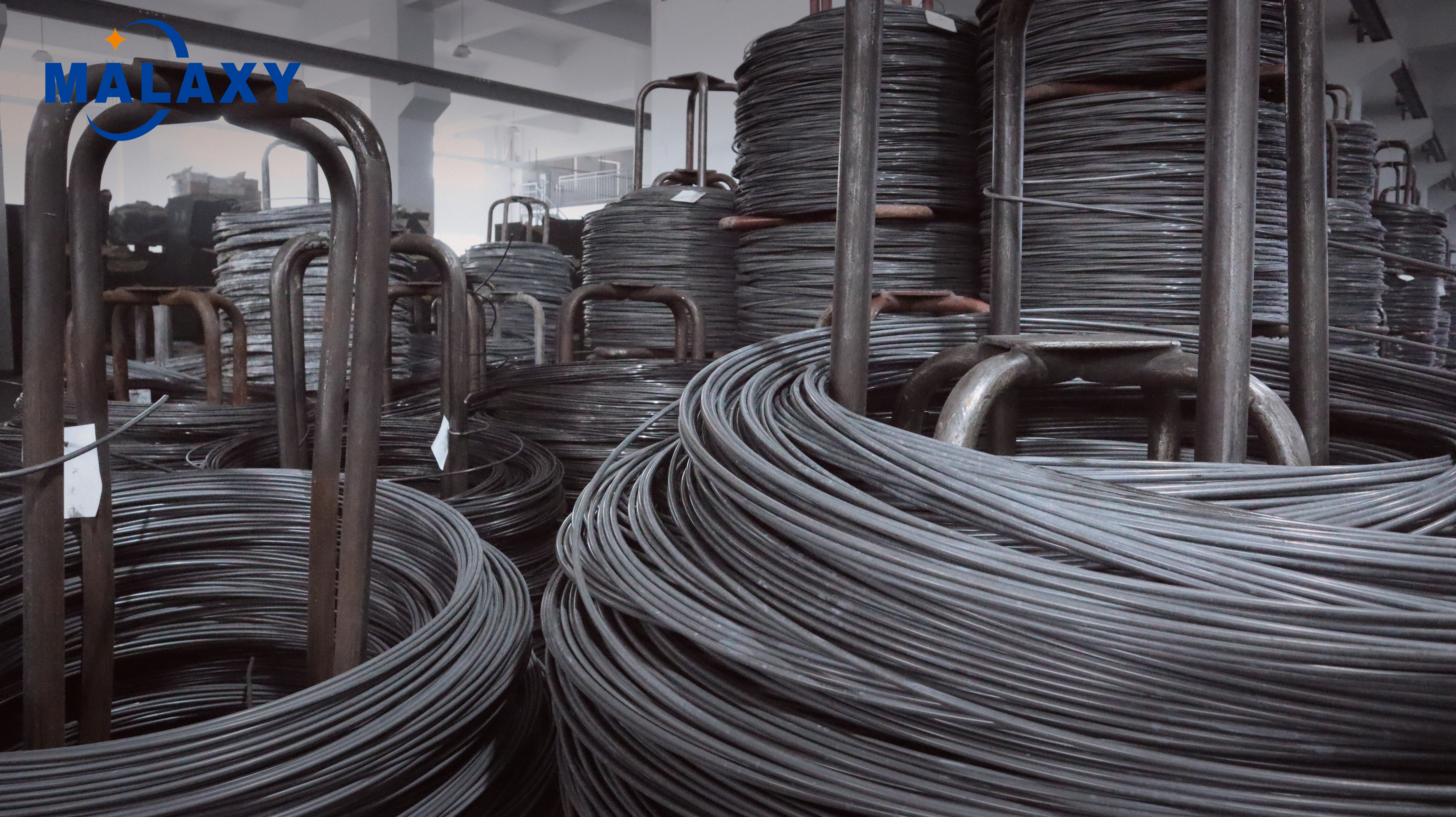
1. Global Fastener Market 2026: What Is Changing?
Fasteners are basic components, but their demand is closely linked to major industries such as construction, automotive, machinery, appliances, infrastructure, renewable energy and general manufacturing.
The current outlook points to moderate but uneven demand.
Grand View Research expects industrial fasteners to grow through 2033, supported by construction, automotive and aerospace demand. Asia Pacific remains the largest regional market in its analysis.
Worldsteel's 2026 outlook provides another useful perspective. Global steel demand is expected to grow only slightly, but regional conditions vary significantly. India is forecast to remain one of the strongest major steel markets, while U.S. steel demand is also expected to increase. EU+UK steel demand is forecast to rise 1.3% in 2026.
This divergence matters to the fastener industry because fastener demand does not grow uniformly across every product category.
Three demand trends are particularly important:
1. Construction and infrastructure continue to support volume demand.
Construction screws, roofing screws, drywall screws, concrete screws, anchors, structural bolts and washers remain important in building projects and maintenance.
2. Manufacturing customers increasingly require engineering-level specifications.
Industrial buyers are paying more attention to material grade, mechanical performance, dimensions, thread accuracy, coating and documentation.
3. Corrosion resistance is becoming a purchasing criterion rather than an afterthought.
Outdoor construction, HVAC, solar systems, coastal projects, machinery and infrastructure applications increasingly require appropriate corrosion protection.
This creates opportunities for suppliers of stainless steel screws, zinc plated screws, hot-dip galvanized fasteners and other corrosion-resistant solutions.
2. Tariffs Are Changing Fastener Sourcing Decisions
One of the most important developments for global fastener buyers in 2026 is the growing impact of trade measures.
In the United States, Section 232 measures have significantly changed the cost structure for steel and certain steel derivative products. U.S. policy increased the Section 232 tariff on covered steel articles and derivatives from 25% to 50% in 2025, and subsequent 2026 measures revised how certain metal tariffs are assessed.
For importers, this is especially important because Chapter 73 includes numerous steel fastener classifications. Current tariff references show products including self-tapping screws, screws and bolts, threaded studs, nuts and washers within the affected steel-derivative framework in certain circumstances.
The U.S. rules have also continued to evolve in 2026. A June 2026 Presidential Proclamation modified the steel tariff regime and specified different treatment for certain countries and qualifying products, making tariff analysis increasingly dependent on the exact HTS classification, product origin and applicable steel-content rules.
What does this mean for fastener buyers?
A low factory quotation does not automatically equal a low landed cost.
A professional sourcing calculation should consider:
Cost Factor | Why It Matters |
|---|---|
Factory price | Base purchasing cost |
Steel/material cost | Directly affects screw, bolt and nut pricing |
Surface treatment | Zinc plating, black oxide, HDG and special coatings add cost |
Tooling | Important for customized or non-standard fasteners |
Packaging | Bulk, carton, pallet and customized packaging affect logistics |
Freight | Ocean and inland freight can materially change landed cost |
Duties and tariffs | Country and product classification can substantially affect final cost |
Quality costs | Rework, rejection and field failure can exceed the original price difference |
For U.S. buyers, tariff classification should always be confirmed with a customs broker or trade professional before commercial decisions are made.

3. Europe Is Also Increasing the Importance of Steel Traceability
The European market is facing a different but related challenge.
The EU Steel Regulation entered into application on 1 July 2026. The European Commission states that the framework provides for 18.3 million tonnes of duty-free steel import quotas per year, with a 50% duty for imports outside quota, and includes a “melt and pour” regime intended to improve transparency and traceability.
For fastener manufacturers and exporters, this development reinforces an important sourcing trend: material origin and traceability are becoming increasingly important in international procurement.
Buyers should therefore ask suppliers:
What steel grade is being used?
Is the material traceable?
Can the supplier provide a material certificate where required?
What country was the steel melted and poured in?
Can the supplier provide batch or lot identification?
Is the product manufactured according to the requested DIN, ISO, ANSI, ASTM or other applicable specification?
For large industrial buyers, documentation quality can be almost as important as the physical fastener.

4. What Is a Corrosion Resistant Screw?
A corrosion resistant screw is a screw designed to withstand oxidation, moisture, chemicals, salt exposure or other environmental conditions better than an untreated standard carbon-steel screw.
Corrosion resistance normally comes from one of two approaches:
Using a corrosion-resistant base material, such as stainless steel.
Applying a protective surface treatment, such as zinc plating, hot-dip galvanizing or other engineered coatings.
The correct choice depends on the environment and required service life.
Stainless Steel Screws vs Zinc Plated Screws
Fastener Type | Main Advantage | Typical Applications |
Stainless Steel 304 | Good corrosion resistance and general durability | Construction, HVAC, outdoor equipment |
Stainless Steel 316 | Higher resistance in chloride and marine environments | Coastal, marine, chemical environments |
Zinc Plated Carbon Steel | Cost-effective corrosion protection | Indoor construction, machinery, general assembly |
Hot-Dip Galvanized | Thick zinc protection and strong outdoor performance | Structural, outdoor and infrastructure applications |
Black Oxide | Appearance and basic corrosion protection | Machinery and indoor applications |
A key mistake is selecting a coating based only on appearance.
A bright zinc-plated screw may look highly corrosion-resistant, but actual performance depends on coating thickness, substrate, environment, installation condition and exposure time.
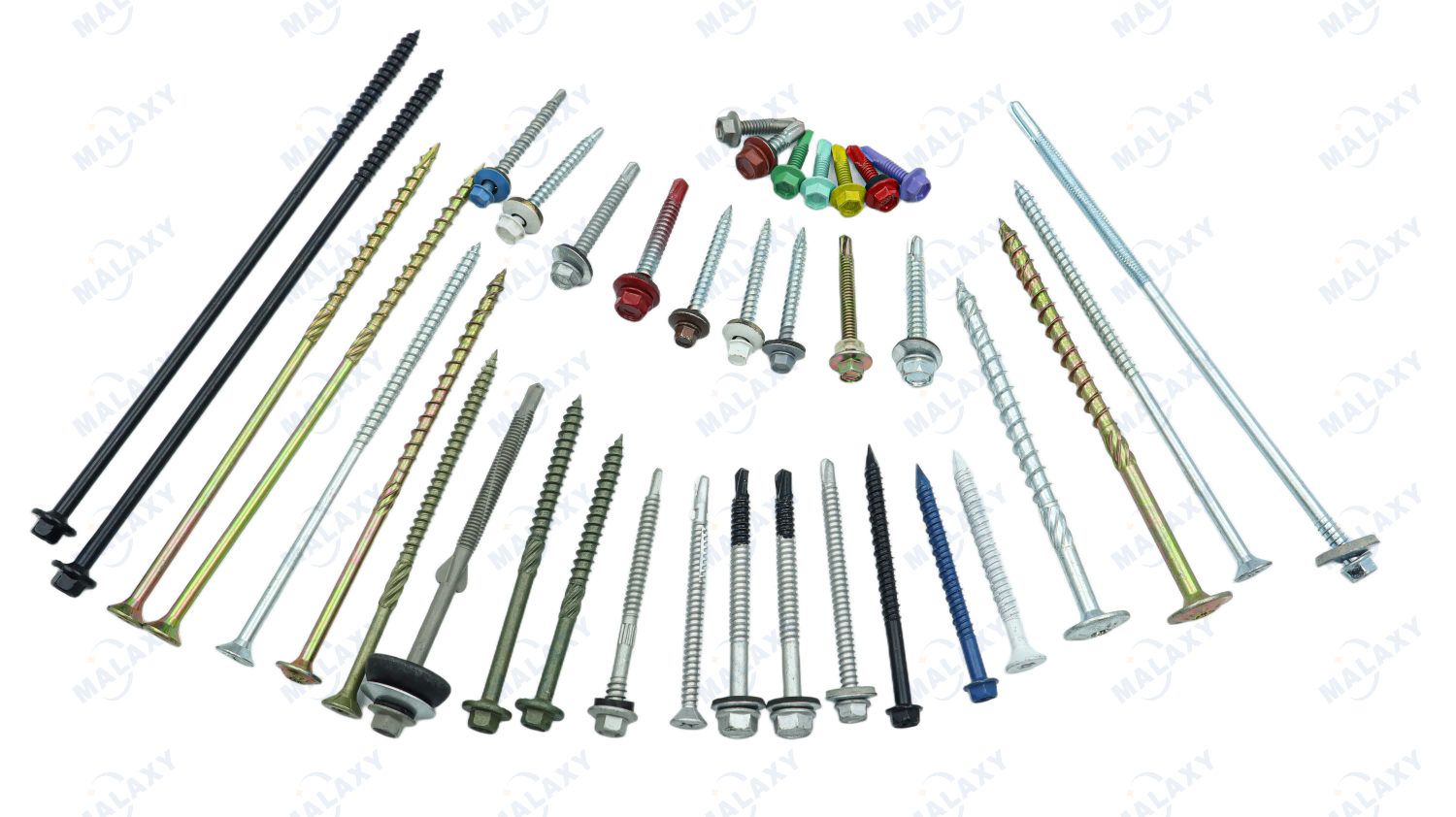
5. Material Selection: Carbon Steel or Stainless Steel?
The base material determines much of a fastener's mechanical and environmental performance.
Carbon Steel
Carbon steel remains one of the most widely used materials for industrial fasteners because of its strength, availability and cost efficiency.
Typical grades include:
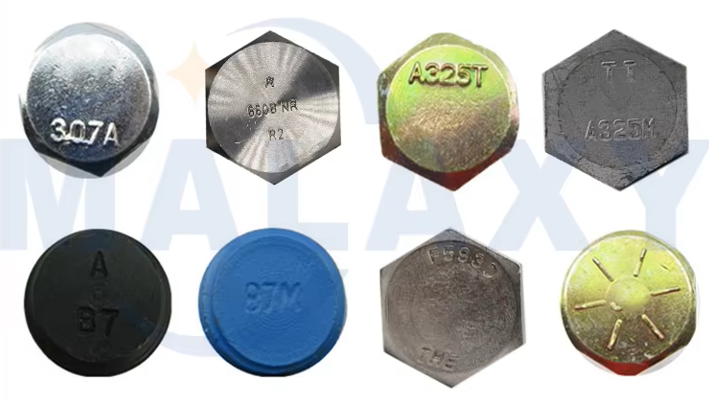
Grade 4.8
Grade 5.8
Grade 8.8
Grade 10.9
Grade 12.9
Carbon steel is commonly used for hex bolts, screws, structural fasteners, machine fasteners, nuts and other load-bearing applications.
However, bare carbon steel is vulnerable to corrosion, so the surface treatment becomes critical when the fastener is exposed to humidity or outdoor environments.
Stainless Steel
Stainless steel screws and bolts are preferred when corrosion resistance is a primary requirement.
Common grades include:
Stainless Steel 201
Stainless Steel 304
Stainless Steel 316
For many general outdoor and architectural applications, 304 provides a practical balance between corrosion resistance and cost. For environments with significant chloride exposure, such as coastal or marine conditions, 316 is often considered a stronger choice.
The important principle is simple:
Do not choose stainless steel simply because the project is outdoors. Choose the stainless grade according to the actual corrosion environment and engineering requirements.
6. Manufacturing Quality Directly Affects Fastener Performance
Fastener quality is not determined only by the finished appearance.
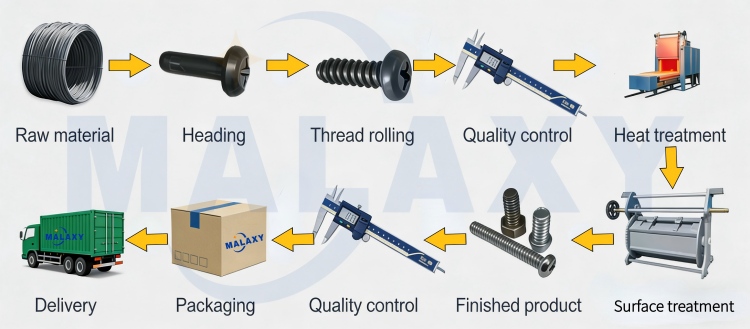
A typical industrial fastener manufacturing process may include:
Wire or bar preparation → cold heading/forging → thread rolling or thread forming → heat treatment where required → surface treatment → sorting → inspection → packaging
Each stage can influence final performance.
Cold Heading and Forming
Cold heading forms the basic fastener shape from steel wire. Good material consistency and correct tooling are necessary to achieve stable dimensions.
Thread Rolling
Thread rolling forms threads through plastic deformation rather than cutting them away. Proper thread geometry improves consistency and can provide useful mechanical benefits compared with poorly formed threads.
Heat Treatment
For higher-strength fasteners, heat treatment is critical.
For example, Grade 8.8, 10.9 and 12.9 carbon-steel fasteners require controlled mechanical properties. Poor heat-treatment control can result in insufficient strength, excessive hardness or brittleness.
Surface Treatment
Surface treatment must match the intended environment.
Common options include:
Zinc plating
Hot-dip galvanizing
Black oxide
Phosphate
Nickel plating
Dacromet or other engineered coatings
The coating itself is not enough. Adhesion, thickness, uniformity and post-treatment quality also matter.
7. How Should Buyers Choose Industrial Fasteners in 2026?
A professional purchasing specification should go beyond “M8 screw” or “M10 bolt.”
A better specification includes:
Product type + diameter + length + material + grade + thread + standard + surface treatment + application + packaging
For example:
Stainless Steel 304 Hex Bolt, M10 × 50 mm, DIN 933, full thread, suitable for outdoor equipment, bulk carton packaging.
This level of detail reduces misunderstandings between buyers, manufacturers and logistics providers.
A practical five-step sourcing method
Step 1: Define the application.
Is the fastener used indoors, outdoors, underground, in HVAC equipment, machinery, roofing, construction or a corrosive environment?
Step 2: Define the mechanical requirement.
Specify tensile strength, proof load, hardness or fastener grade when required.
Step 3: Select the material.
Choose carbon steel, alloy steel, stainless steel or another appropriate material.
Step 4: Select the surface treatment.
For carbon-steel products, decide whether zinc plating, HDG, black oxide, phosphate or another coating is appropriate.
Step 5: Define inspection and documentation.
For industrial applications, consider dimensional inspection, mechanical testing, coating inspection, salt-spray testing where relevant, material certificates and lot traceability.
8. Common Fastener Buying Mistakes
Mistake 1: Comparing suppliers only by price
A $0.01 difference in purchase price becomes irrelevant if the product suffers from inconsistent threads, coating failure or high rejection rates.
Mistake 2: Choosing coating by appearance
Silver-colored screws are not automatically equivalent in corrosion performance.
Mistake 3: Ignoring application environment
A fastener for an indoor machine should not automatically be specified the same way as one used in a coastal construction project.
Mistake 4: Not defining the standard
DIN 933, ISO 4017, ASTM and ANSI requirements are not interchangeable simply because two products appear visually similar.
Mistake 5: Ignoring landed cost
For 2026 international purchasing, buyers should evaluate factory price, freight, duties, packaging and compliance together.
9. New Opportunities in the 2026 Fastener Market
The current market environment is creating opportunities beyond traditional commodity fasteners.
Corrosion-resistant fasteners
Demand is supported by outdoor construction, HVAC, renewable energy, infrastructure and equipment exposed to moisture.
Customized industrial fasteners
Buyers increasingly want non-standard dimensions, customized heads, special threads, special coatings and branded packaging.
High-strength fasteners
Machinery, structural applications, automotive and engineering projects continue to require controlled mechanical performance.
Fastener supply-chain diversification
Tariffs and geopolitical uncertainty are encouraging buyers to evaluate multiple manufacturing sources rather than depending entirely on a single supplier or country.
This does not mean buyers should simply change suppliers. It means suppliers must demonstrate better traceability, documentation, responsiveness and production control.
10. Manufacturer Insights: What Buyers Should Expect From a Professional Fastener Factory
From a manufacturing perspective, one of the strongest lessons of the current market is that fastener procurement is becoming a total-cost and risk-management decision rather than a simple unit-price decision.
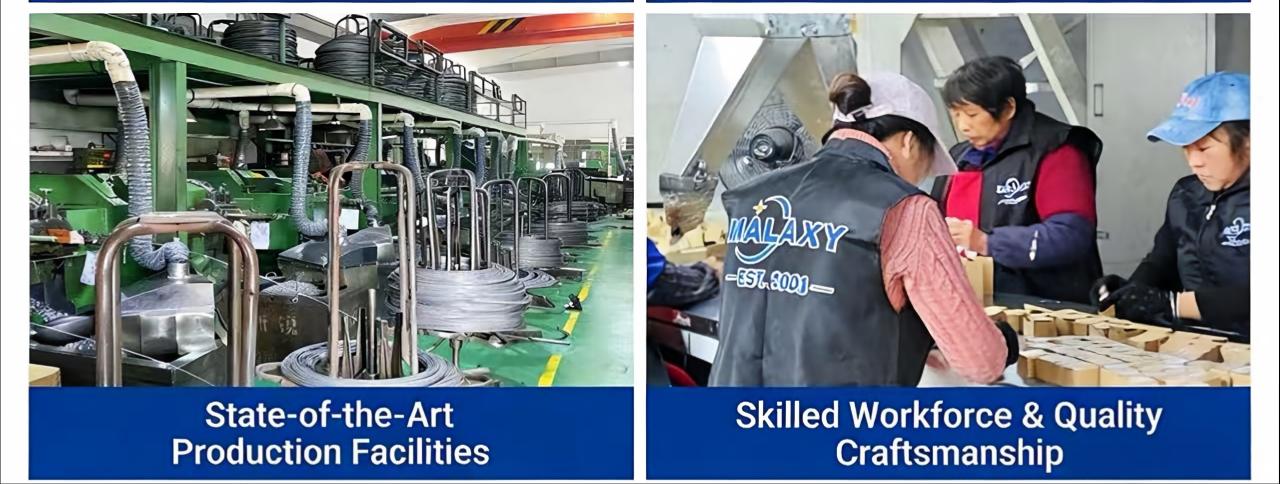
MALAXY is a fastener manufacturer based in Zhejiang, China, with more than 20 years of production and export experience. The company supplies screws, bolts, nuts, anchors, washers, self-drilling screws, self-tapping screws and other industrial fasteners to customers in more than 70 countries.
For an international buyer, the useful question is not simply whether a factory can produce a specific screw.
The better questions are:
Can the factory control incoming material?
Can it maintain consistent dimensions across large batches?
Can it manage heat treatment when required?
Can it control coating quality?
Can it provide inspection data and required certificates?
Can it support customized specifications?
Can it maintain consistent packaging and labeling?
Can it scale production when demand increases?
MALAXY's manufacturing model focuses on these practical requirements, including material control, production inspection, customized specifications and packaging support.
For distributors and importers, this capability can reduce the hidden costs associated with inconsistent quality and supplier changes.

FAQ
Q: What is the global fastener market worth in 2026?
A: Market estimates vary according to product and industry definitions. Grand View Research estimates the global industrial fasteners market at about USD 108.6 billion in 2026, while Fortune Business Insights estimates approximately USD 97.15 billion. Both forecasts indicate continued medium-term growth.
Q: Are corrosion resistant screws becoming more important in 2026?
A: Yes. Outdoor construction, HVAC, infrastructure, renewable energy and industrial equipment are increasing the importance of corrosion performance. Buyers should select material and coating according to the actual environmental exposure rather than appearance alone.
Q: What is the difference between stainless steel screws and zinc plated screws?
A: Stainless steel screws obtain corrosion resistance primarily from the base material, while zinc plated screws rely on a protective zinc coating over carbon steel. Zinc-plated products are often more economical, while stainless steel is generally preferred when long-term corrosion resistance is a major design requirement.
Q: What are the most common industrial fastener materials?
A: Carbon steel, alloy steel and stainless steel are among the most common materials. Brass and other materials are also used for specific electrical, decorative, chemical or engineering applications.
Q: What standards are commonly used for screws, bolts and nuts?
A: Common specifications include DIN, ISO, ANSI, ASTM and BS standards. The correct standard depends on product type, market and application.
Q: How can buyers reduce fastener sourcing risk in 2026?
A: Buyers should evaluate material traceability, mechanical properties, coating quality, dimensional consistency, certifications, packaging, production capacity and landed cost—not just the quoted factory price.
Q: Why are steel costs important to fastener prices?
A: Steel is the primary raw material for many screws, bolts, nuts and washers. Changes in steel, energy, processing, coating and logistics costs can therefore affect the final fastener price.
Q: How can I choose the right corrosion resistant fastener?
A: Start with the service environment. Evaluate moisture, salt, chemicals, temperature, exposure duration and mechanical load. Then select the appropriate base material, grade and coating system. For demanding environments, professional engineering review and corrosion testing may be appropriate.
Conclusion
The global fastener market 2026 is moving into a more technical and risk-sensitive phase. Demand for screws, bolts, nuts, anchors and other industrial fasteners remains supported by construction, infrastructure, manufacturing and automotive applications, but procurement decisions are increasingly influenced by tariffs, steel markets, corrosion performance and supply-chain transparency.
For overseas buyers, the winning sourcing strategy is not simply “find the cheapest fastener.” It is to find the supplier that can consistently deliver the correct material, grade, dimensions, standard, surface treatment, quality level and documentation at a competitive landed cost.
For manufacturers, this creates an opportunity to move beyond commodity competition and provide higher-value solutions such as corrosion resistant screws, stainless steel fasteners, high-strength bolts, customized fasteners and reliable industrial fastener supply.
MALAXY manufactures screws, bolts, nuts, anchors, washers and other fastening products in Zhejiang, China, with more than 20 years of production and export experience. For buyers evaluating new fastener suppliers, requesting the product specification, application requirements, quality standards and target quantity is the best starting point for a technical quotation.
Other Articles
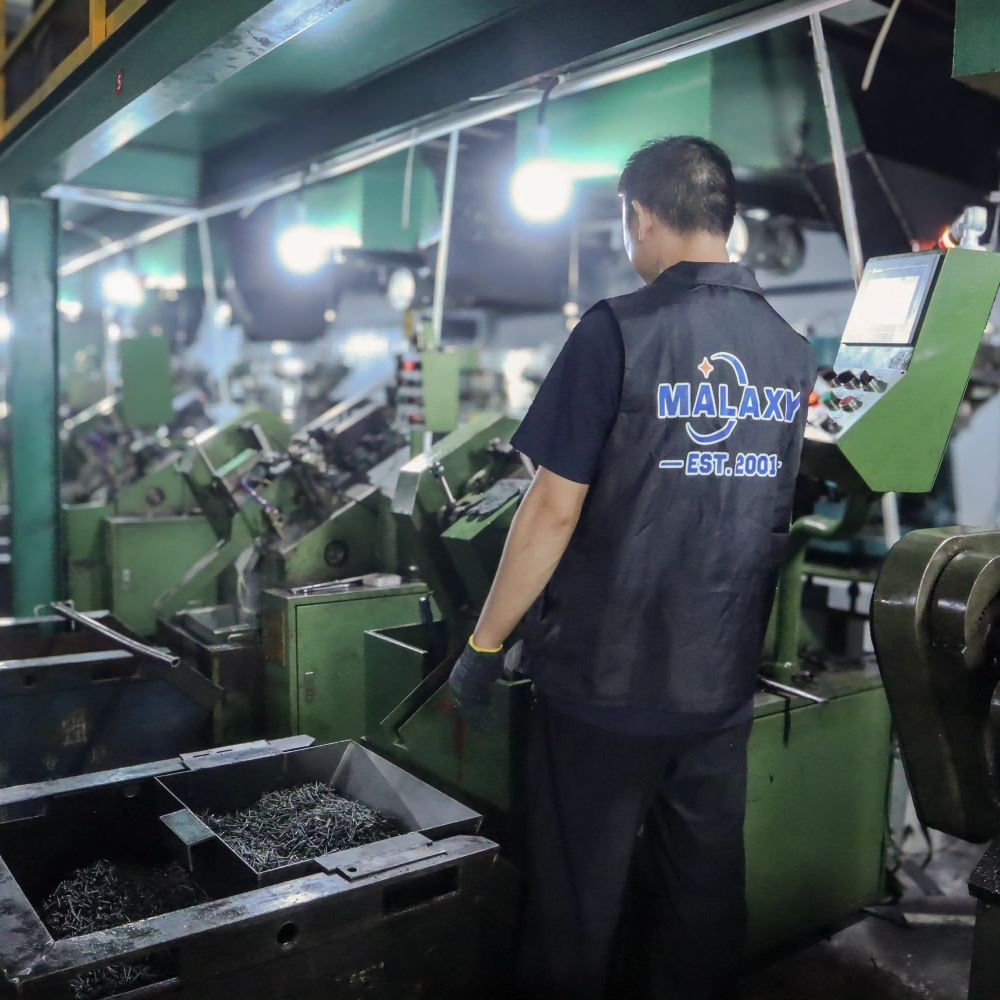
Inside MALAXY’s Fastener Factory in Haiyan, Zhejiang
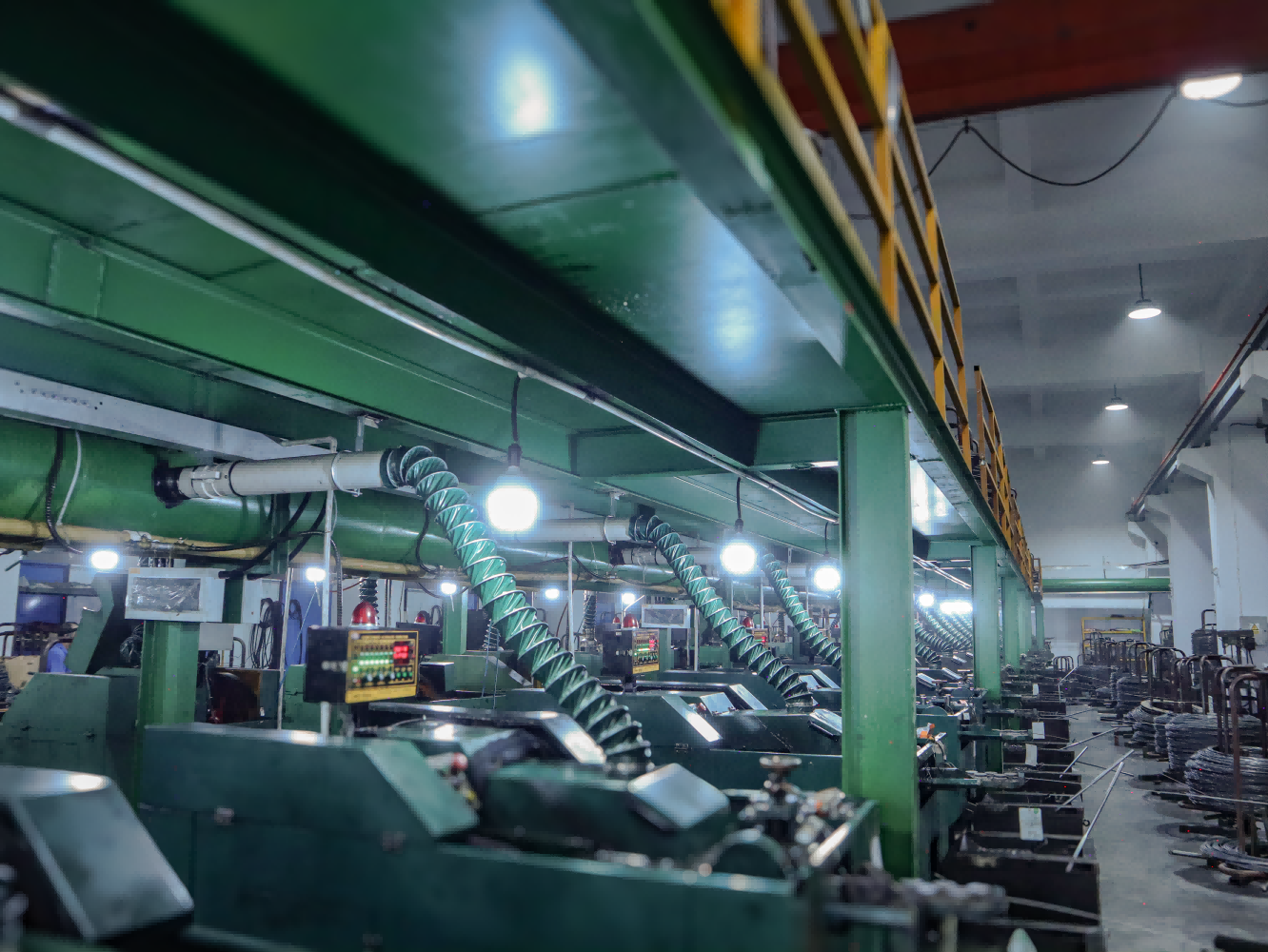
10 Important Factors to Consider When Buying Industrial Fasteners: A Complete Guide for Global Buyers
