


How to Choose Fastener Coatings in 2026: Zinc Plated, HDG or Stainless Steel?
Choosing the right fastener coating is important for buyers who need reliable fastener corrosion protection without unnecessarily increasing cost. Zinc plated screws, hot-dip galvanized (HDG) fasteners and stainless steel screws are three common choices, but they are designed for different environments.
The correct solution depends on corrosion exposure, service life, fastener material, strength grade, applicable standard and budget.
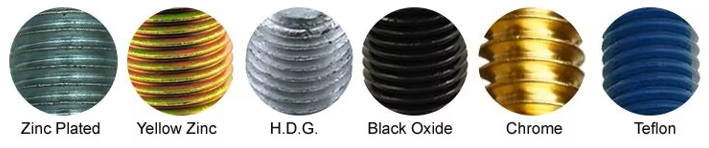
Zinc Plated Screws: A Cost-Effective Choice
Zinc plated screws are produced by electroplating a zinc layer onto steel. They offer good dimensional accuracy, clean appearance and economical corrosion protection.
They are commonly used for:
Indoor machinery
Furniture
Electrical equipment
General assembly
HVAC components
Light construction
For dry or mildly humid environments, zinc plating is often sufficient. ISO 4042 covers electroplated coating systems for steel fasteners, including zinc and zinc-alloy coatings.
However, standard zinc plating should not automatically be selected for harsh outdoor or coastal applications.
HDG Fasteners for Outdoor Corrosion Protection
Hot-dip galvanized (HDG) fasteners are immersed in molten zinc, creating a thicker zinc coating than typical electroplating.
This makes HDG a common choice for:
Outdoor steel structures
Construction projects
Solar mounting systems
Fencing
Agricultural equipment
Infrastructure
Exterior equipment
ASTM A153/A153M specifies requirements for hot-dip zinc coatings on iron and steel hardware.
For long-term outdoor applications, HDG can provide significantly stronger corrosion protection than standard zinc plating. Buyers should still match the coating specification to the actual environment and expected service life.
Stainless Steel Screws for Corrosive Environments
Stainless steel screws rely on the corrosion resistance of the steel itself rather than a sacrificial zinc coating.
Common options include:
Stainless Steel 304
Stainless Steel 316
Stainless Steel 201
304 stainless steel is widely used for general corrosion-resistant applications, while 316 is often considered when chloride or marine exposure is a major concern.
Stainless steel is not automatically the best choice for every project. It typically costs more than zinc plated or galvanized carbon steel fasteners, and mechanical properties and installation conditions must also be considered.
ISO 3506 covers mechanical and physical requirements for corrosion-resistant stainless steel fasteners.
Zinc Plated vs. HDG vs. Stainless Steel
Feature | Zinc Plated | HDG | Stainless Steel |
|---|---|---|---|
Cost | Low | Medium | Higher |
Indoor Applications | Excellent | Good | Excellent |
Outdoor Applications | Limited | Excellent | Excellent |
Corrosion Resistance | Moderate | High | High to Very High |
Typical Material | Carbon Steel | Carbon Steel | Stainless Steel |
Main Advantage | Cost & appearance | Thick zinc protection | Inherent corrosion resistance |
The best coating is not simply the most expensive one. It is the coating that meets the project's required performance at the lowest total cost.
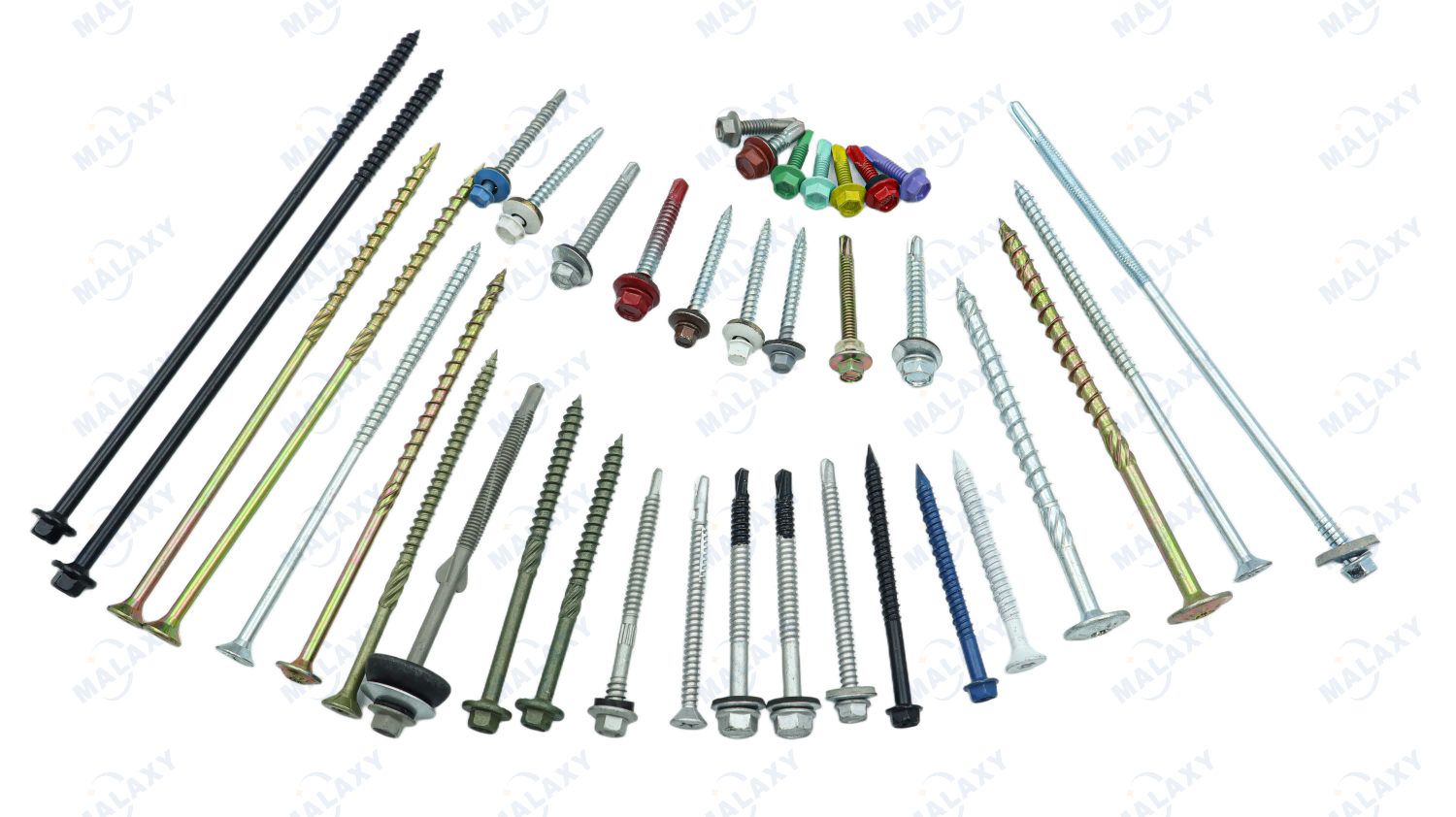
How to Choose the Right Fastener Coating
Before ordering industrial fasteners, buyers should evaluate five factors.
1. Environment
Is the fastener installed indoors, outdoors, near the coast, in a humid area or in an industrial atmosphere?
2. Service Life
A temporary indoor assembly does not require the same protection as a long-term outdoor structure.
3. Fastener Grade
Grades such as 8.8, 10.9 and 12.9 require appropriate coating-process controls. Hydrogen embrittlement should be considered when electroplating high-strength fasteners.
4. Standard
Specify the relevant standard, such as ISO, DIN, ASTM or other project requirements. Avoid specifying a fastener only by surface color such as "silver zinc" or "black."
5. Total Cost
Consider not only purchase price, but also installation, maintenance and replacement costs.
Common Buying Mistakes
A common mistake is choosing zinc plated fasteners simply because they are cheaper. For demanding outdoor environments, the coating may not provide sufficient protection.
Another mistake is ordering galvanized fasteners without checking thread compatibility. HDG coatings are thicker, so bolt and nut dimensions must be considered.
Buyers should also avoid assuming that every stainless steel fastener performs the same way. Material grade, environment and mechanical requirements all matter.
MALAXY Manufacturer Perspective
MALAXY has more than 20 years of fastener manufacturing and export experience, serving customers in more than 70 countries from its manufacturing base in Haiyan, Zhejiang, China.
For coated fasteners, quality control starts before surface treatment. Raw material, forming, heat treatment, thread dimensions, surface preparation, coating thickness and final inspection can all affect product performance.
MALAXY supplies screws, bolts, nuts, anchors, washers, self-drilling screws and self-tapping screws with standard and customized specifications for international buyers.
For an accurate coating recommendation, buyers should provide the fastener type, size, material, grade, application environment, standard and required service life.
FAQ
Q1: Are zinc plated screws good for outdoor use?
Zinc plated screws can be suitable for mild outdoor exposure, but harsher environments may require HDG, stainless steel or another engineered coating system.
Q2: What is the difference between zinc plated and HDG fasteners?
Zinc plated fasteners use electroplated zinc and normally have a thinner coating. HDG fasteners are dipped in molten zinc and generally have a much thicker protective coating.
Q3: Are stainless steel screws more corrosion resistant?
Stainless steel screws can provide excellent corrosion resistance, but performance depends on the stainless steel grade and the environment.
Q4: What are the best fasteners for corrosion protection?
There is no single best option. Zinc plating is economical for mild environments, HDG is widely used outdoors, and stainless steel is suitable for many demanding corrosion-resistant applications.
Q5: What should I specify when buying coated fasteners?
Specify the size, material, strength grade, standard, coating, application environment and packaging requirements. This helps the manufacturer select the correct solution.
Conclusion
Selecting the right fastener coating means balancing corrosion resistance, mechanical performance, service life and cost.
For mild environments, zinc plated screws are often an economical choice. For outdoor construction, HDG fasteners provide stronger zinc protection. For demanding corrosion-resistant applications, stainless steel screws may be the better solution.
The key is simple: match the coating to the environment and the required service life—not just the purchase price.
Other Articles
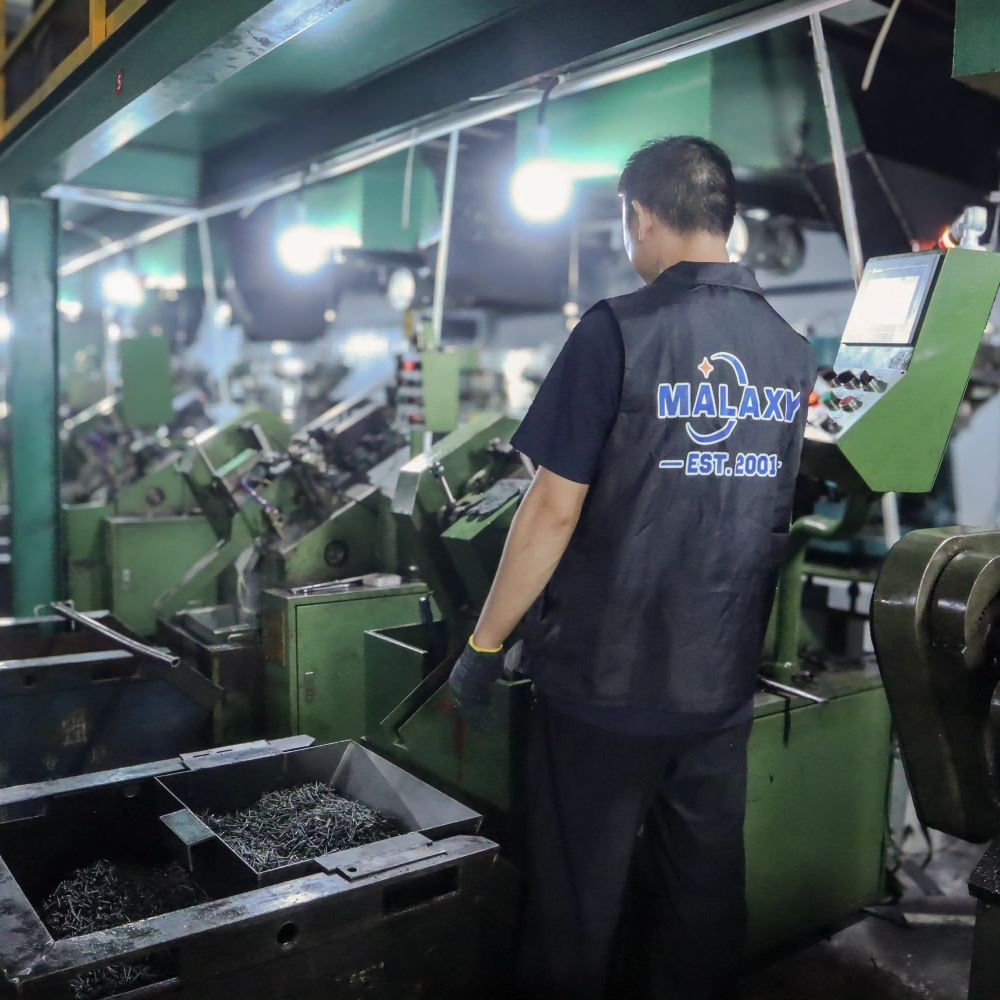
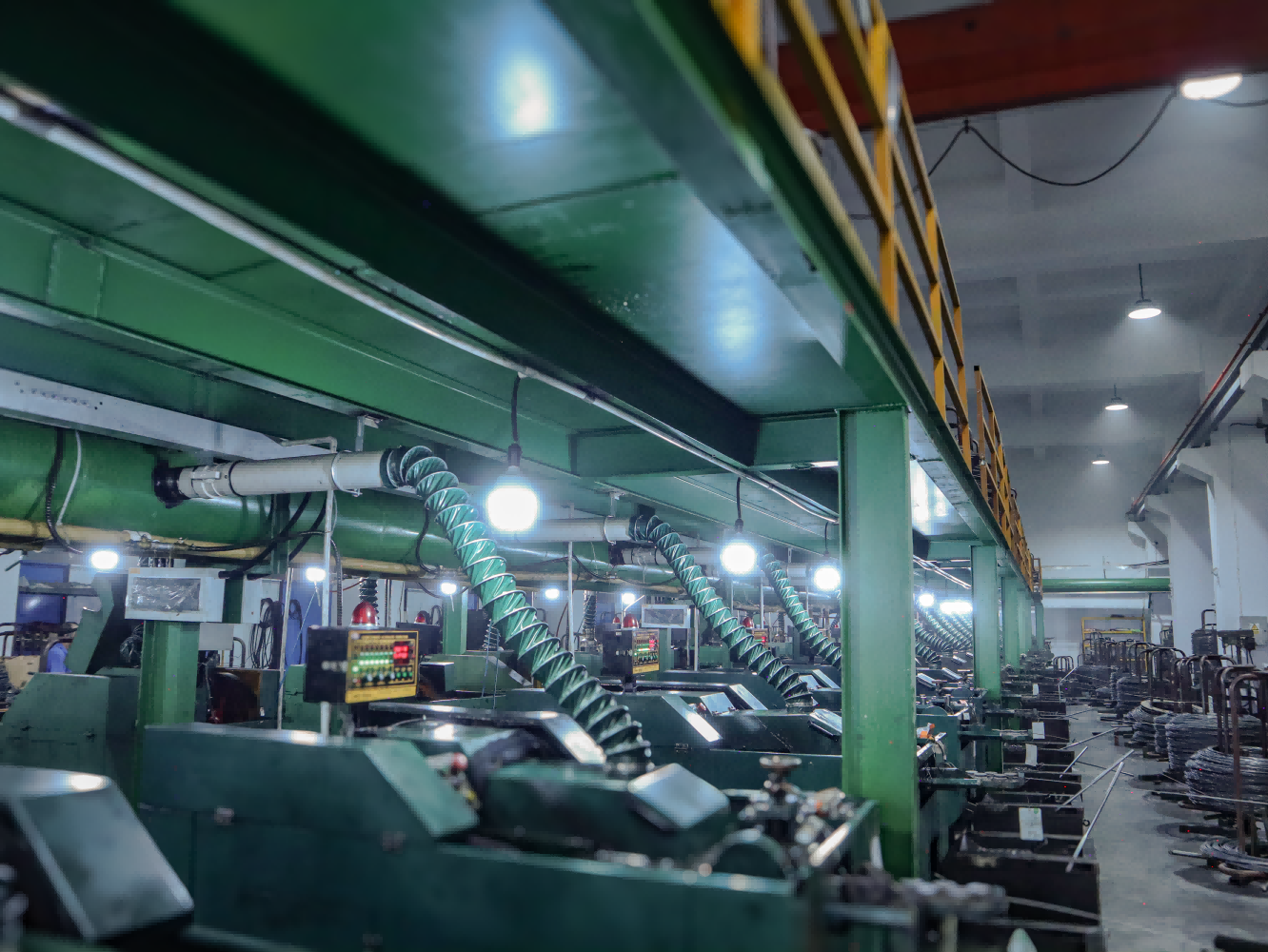
Inside MALAXY’s Fastener Factory in Haiyan, Zhejiang
10 Important Factors to Consider When Buying Industrial Fasteners: A Complete Guide for Global Buyers
