


Plastic Screw Installation Torque Is Becoming a Critical Quality Control Focus: How to Prevent Stripping, Cracking and Pull-Out
Introduction
Plastic components are widely used in automotive interiors, electrical enclosures, household appliances and industrial equipment.
As manufacturers increasingly adopt lightweight engineering plastics, fastening reliability has become an important production concern.
One critical factor is plastic screw installation torque.
Unlike metal fastening, plastic screw connections are sensitive to material properties, pilot-hole dimensions and installation conditions. Excessive torque can cause thread stripping or boss cracking, while insufficient torque may result in loose connections and reduced pull-out resistance.
For OEM manufacturers and fastener buyers, controlling installation torque is essential for improving assembly consistency and product reliability.
1. Why Is Plastic Screw Installation Torque Important?
Plastic fastening involves several interacting factors, including material stiffness, thread geometry, installation speed and component design.
Three common problems affect production quality:
Failure | Main Cause | Result |
|---|---|---|
Thread stripping | Excessive tightening torque | Loss of thread engagement |
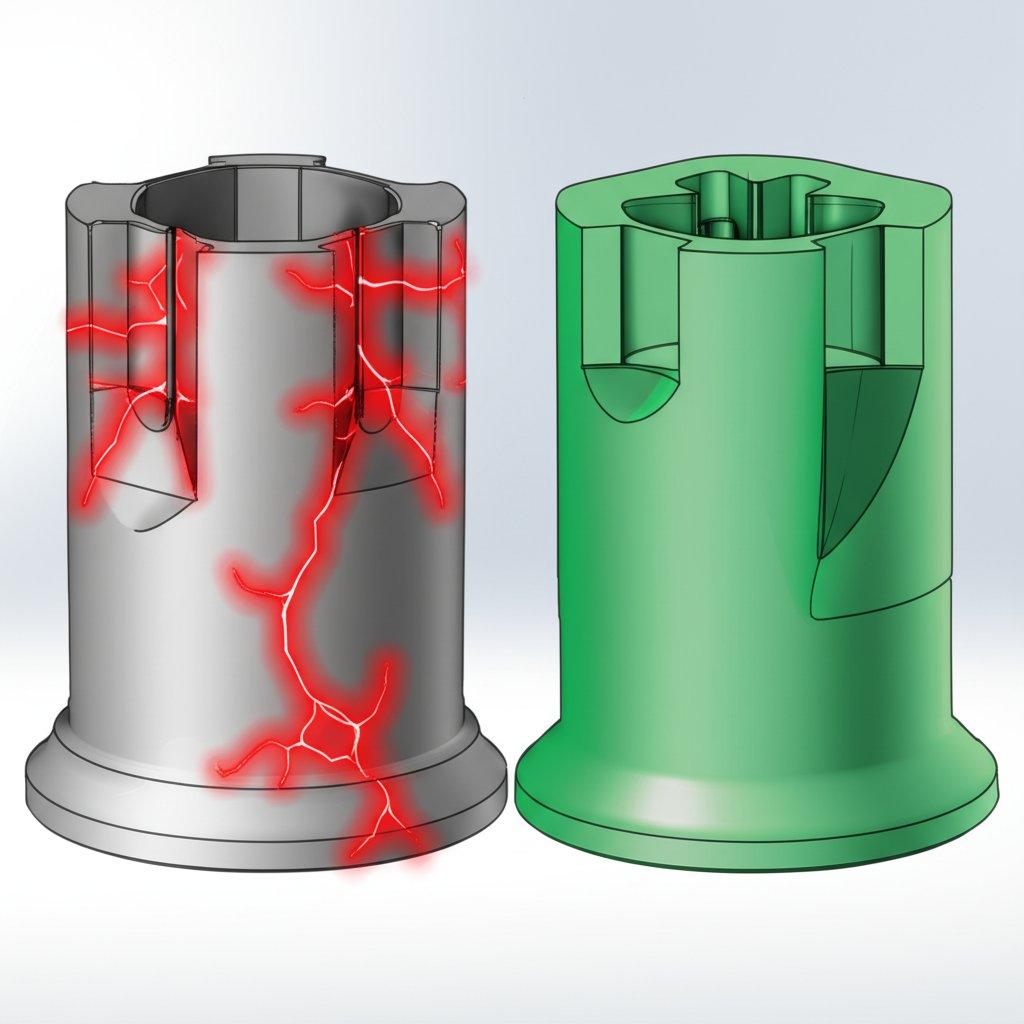
Boss cracking | Excessive radial stress | Plastic component damage |
Screw pull-out | Insufficient engagement | Reduced joint strength |
Clamp-load loss | Plastic creep | Loose connections |
Unlike metal components, thermoplastics can deform under sustained loading. This makes fastening design particularly important in applications exposed to temperature changes and vibration.
Expert Insight: A stronger steel screw does not automatically produce a stronger plastic joint. Screw geometry and plastic component design must work together.
2. Understanding Installation Torque and Stripping Torque
Two parameters are particularly important when evaluating plastic screw performance.
Parameter | Definition | Purpose |
|---|---|---|
Driving Torque | Torque required to form or cut threads | Measures installation resistance |
Seating Torque | Torque when the screw head contacts the component | Controls assembly |
Stripping Torque | Torque at which plastic threads fail | Evaluates thread resistance |
Pull-Out Force | Axial force required to extract the screw | Evaluates retention |
What is plastic screw installation torque?
Installation torque is the rotational force applied during screw assembly. It must be sufficient to achieve proper thread engagement and clamping without damaging the plastic.
What is stripping torque?
Stripping torque is the maximum rotational resistance before the formed plastic threads lose their ability to retain the screw.
The difference between installation torque and stripping torque determines the available assembly process window.
For production applications, manufacturers should establish suitable torque limits through actual component testing rather than relying on one universal value.
Expert Insight: Monitoring the torque-angle curve can help identify incomplete seating, abnormal thread formation and potential stripping during automated assembly.
3. How Plastic Materials Affect Screw Performance
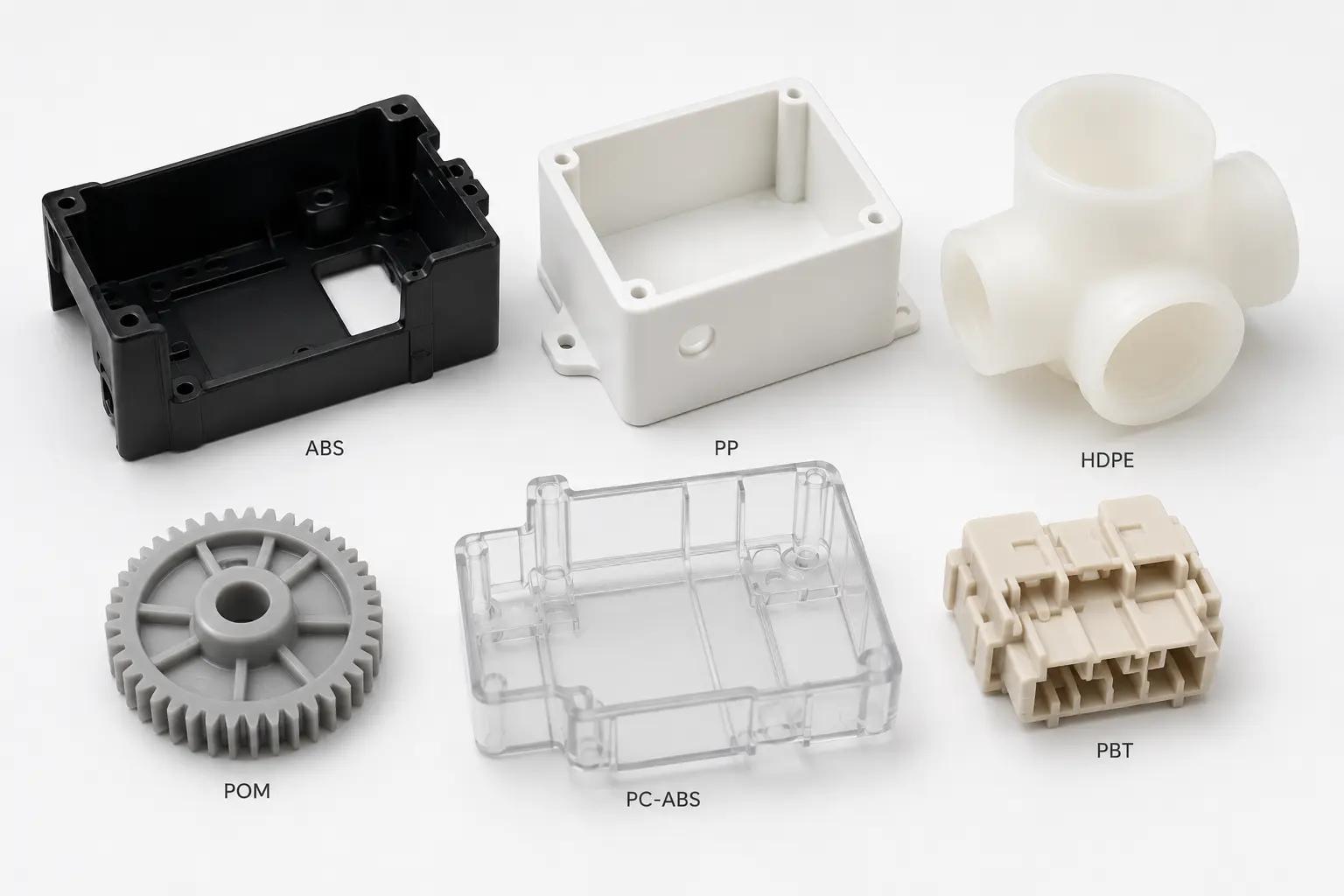
Different plastics have different mechanical properties. The same screw may perform differently depending on resin composition, moisture content and reinforcement.
Plastic Material | Characteristics | Fastening Considerations |
|---|---|---|
ABS | Good impact resistance | Suitable for many thread-forming applications |
PA6 | Tough and moisture-sensitive | Consider moisture conditioning |
PA66 GF30 | Glass-fiber reinforced | Evaluate thread geometry and installation stress |
POM | Good dimensional stability | Select compatible thread profiles |
PC | High impact resistance | Control boss stress |
PP | Flexible thermoplastic | Verify thread retention |
Thread-Forming vs. Thread-Cutting Screws
Feature | Thread-Forming Screw | Thread-Cutting Screw |
|---|---|---|
Working Principle | Displaces material | Removes material |
Plastic Stress | Application-dependent, often lower radial stress with optimized profiles | Depends on cutting geometry |
Typical Application | Ductile thermoplastics | Harder or more brittle plastics |
Main Advantage | No separate internal threading operation | Can reduce excessive forming stress |
Specialized plastic screws often use narrower thread profiles and smaller flank angles to reduce radial stress.
For example, certain plastic thread-forming designs use thread flank angles between approximately 30° and 48°, depending on the screw design.
Expert Insight: Buyers should provide the actual resin grade and glass-fiber content when requesting customized screws. Material names alone may not be sufficient for engineering selection.
4. How to Prevent Thread Stripping, Cracking and Pull-Out
Reliable plastic fastening requires control over four important factors.
1. Choose the Correct Screw
Use thread-forming screws for suitable ductile thermoplastics. Consider thread-cutting screws or threaded inserts when material brittleness or application requirements make direct thread forming unsuitable.
2. Optimize Pilot-Hole Dimensions
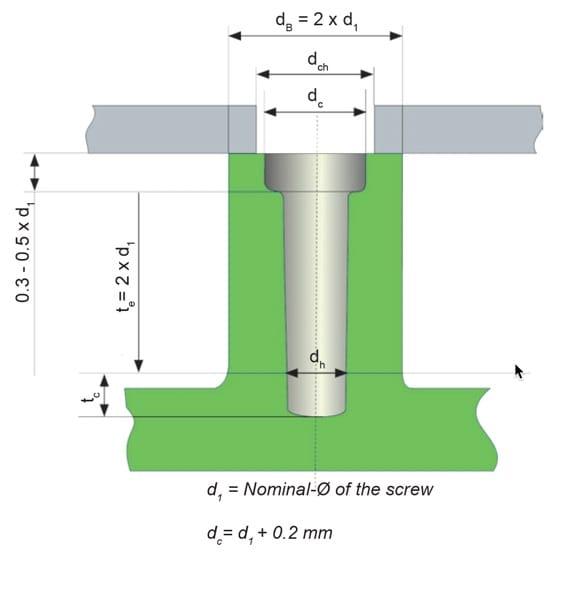
An undersized hole can increase driving torque and radial stress. An oversized hole may reduce thread engagement and stripping resistance.
Pilot-hole dimensions should follow the fastener manufacturer's application-specific recommendations.
3. Control Installation Speed
Excessive installation speed can generate heat and affect stress distribution during thread formation.
TR Fastenings identifies approximately 400 RPM as an initial reference for certain Plas-Tech 30-20 applications. This is not a universal setting and should be validated for each assembly.
4. Reduce Excessive Clamp Stress
Plastic creep and stress relaxation can gradually reduce joint clamping force.
A larger screw head, suitable flat washer or metal compression limiter may help distribute the load and improve joint performance.
Expert Insight: Increasing tightening torque is not the solution to every loose connection. In plastic assemblies, excessive torque can actually accelerate joint failure.
5. How Manufacturers Should Control Plastic Screw Quality
For high-volume OEM production, fastening quality should be verified through repeatable testing.
Quality Control Item | Inspection Method | Objective |
|---|---|---|
Material | Resin specification verification | Confirm material consistency |
Screw dimensions | Dimensional inspection | Verify thread geometry |
Pilot Hole | Diameter and depth measurement | Control engagement |
Installation Torque | Digital torque testing | Control assembly |
Stripping Torque | Torque-to-failure testing | Evaluate thread resistance |
Pull-Out Force | Axial tensile testing | Verify retention |
A practical testing procedure should include:
Verify the plastic material and screw specifications.
Measure pilot-hole dimensions.
Record installation speed and torque.
Perform stripping torque tests.
Conduct pull-out tests.
Repeat testing under relevant temperature and humidity conditions.
Testing should use representative production components, not only theoretical calculations.
Expert Insight: A documented quality report makes it easier for fastener manufacturers, plastic component suppliers and OEM buyers to maintain consistent assembly requirements.
6. Industry Outlook: More Precision in Plastic Fastening
Plastic fastening is becoming increasingly important as manufacturers develop lightweight automotive components, electronic enclosures and industrial equipment.
Three developments are shaping the sector:
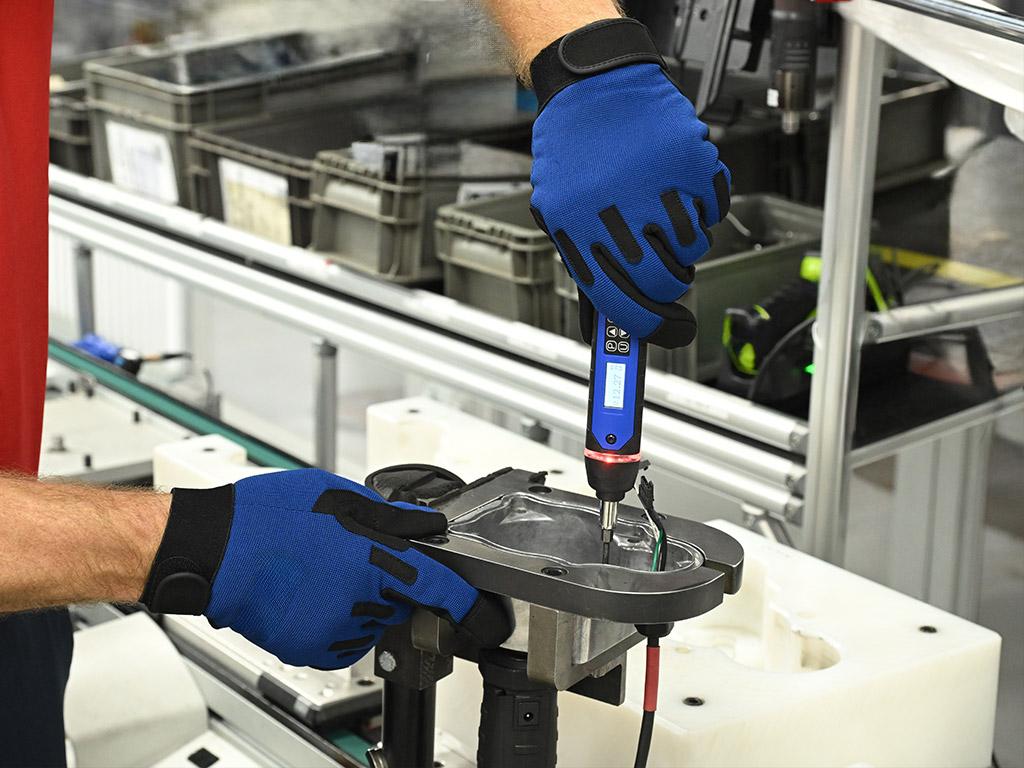
Automated Assembly: Digital screwdrivers and robotic fastening systems allow manufacturers to monitor installation torque and identify abnormal assembly conditions.
Advanced Materials: Glass-fiber-reinforced plastics and engineering polymers require more application-specific fastener designs.
Lifecycle Reliability: Manufacturers are paying greater attention to creep resistance, repeated assembly and product disassembly.
For fastener suppliers, the opportunity is moving beyond standard screw dimensions toward customized thread geometry, application testing and OEM engineering support.
Expert Insight: Reliable fastening solutions increasingly depend on cooperation between screw manufacturers, plastic component designers and assembly engineers.
Conclusion
Plastic screw installation torque is a critical factor in fastening reliability.
Thread stripping, boss cracking and pull-out are usually influenced by several factors rather than one isolated manufacturing defect.
Selecting the correct screw, optimizing pilot-hole dimensions and controlling installation torque can improve assembly consistency and reduce production failures.
For OEM manufacturers and industrial buyers, application-specific testing remains the most reliable way to establish fastening requirements.
MALAXY provides professional fastener manufacturing and OEM/ODM support for international industrial buyers seeking customized fastening solutions.
Frequently Asked Questions
1. What is the recommended torque for screws in plastic?
There is no universal recommended torque. It depends on plastic material, screw diameter, thread geometry and pilot-hole dimensions. Actual assembly testing is necessary to determine suitable installation limits.
2. Why do screws strip in plastic?
Thread stripping usually occurs when installation torque exceeds the resistance of the formed plastic threads. Incorrect pilot-hole dimensions and insufficient thread engagement can also contribute.
3. How can plastic boss cracking be prevented?
Use appropriate pilot-hole dimensions, suitable screw geometry and controlled installation torque. Boss wall thickness and hole entrance design should also be considered.
4. What is the difference between thread-forming and thread-cutting screws?
Thread-forming screws displace plastic to create threads, while thread-cutting screws remove material during installation. Their suitability depends on the plastic's mechanical properties.
5. Which screws are suitable for ABS plastic?
Specialized thread-forming screws are commonly used in ABS applications. Final selection should consider screw dimensions, component geometry and required retention strength.
6. Can standard self-tapping screws be used in plastic?
Some standard self-tapping screws can work in plastic, but specialized plastic screws often provide more suitable thread geometry and reduced radial stress.
7. What causes plastic screw pull-out?
Common causes include insufficient thread engagement, oversized pilot holes, unsuitable screw profiles and excessive external loading.
8. Does installation speed affect screw performance?
Yes. Excessive speed may generate heat and affect thread formation. Installation speed should be validated using the actual screw and plastic material.
9. Is PA66 GF30 suitable for direct screw fastening?
Yes. However, glass-fiber reinforcement affects material stiffness and thread formation. Appropriate screw geometry and pilot-hole dimensions are important.
10. How can plastic screw connections maintain clamp load?
Suitable head-bearing areas, controlled tightening torque and metal compression limiters can help reduce excessive stress and clamp-load loss.
11. How is stripping torque measured?
A torque testing instrument records rotational resistance until the internal plastic threads fail. The maximum recorded torque represents stripping torque.
12. When should threaded inserts be used?
Threaded inserts are useful when repeated assembly, higher mechanical loading or consistent metal-thread engagement is required.
Technical References
PENCOM – Thread Forming Screws for Plastics
TR Fastenings – Plas-Tech 30-20 Technical Information
Solvay – KetaSpire PEEK Design and Processing Guide
EJOT – Direct Fastening Technology
STANLEY Engineered Fastening – Threaded Fasteners for Plastics
Related MALAXY Articles
Thread-Forming Screws vs. Thread-Cutting Screws: Key Differences
How to Choose the Right Self-Tapping Screw for Different Materials
Understanding Screw Thread Types and Their Applications
Stainless Steel vs. Carbon Steel Screws: Material Selection Guide
How Fastener Quality Control Improves Industrial Assembly Reliability
Contact MALAXY
Looking for a Reliable Fastener Manufacturer?
MALAXY is a professional Chinese fastener manufacturer with over 20 years of production experience.
Factory established in 2001
50,000 m² manufacturing facility
200+ employees
OEM & ODM customization
ISO, CE and RoHS-related certifications
Global B2B export experience
Request Free Samples | Get Factory Price | OEM Available
Contact MALAXY Today
Website: https://www.malaxygroup.com
Other Articles

EV Growth Is Reshaping Engineered Fastener Demand

Plastic Screw Installation Torque: Prevent Stripping, Cracking & Pull-Out
