Product Overview
A saddle washer—also referred to as an M‑shaped spring washer, double‑curved lock washer, or GB/T 860 saddle elastic washer—is a specialized fastening component with a distinctive saddle‑like contour on both sides. Its unique geometry features two opposite curvatures, creating two contact points on the mating surface. This design provides superior axial preload and vibration absorption compared to standard flat or single‑curved washers.
Saddle washers are primarily designed to prevent bolts or nuts from loosening while reducing vibration and noise in equipment. Their unique saddle‑shaped structure and elastic design make them highly effective in various complex working conditions, significantly enhancing the stability and service life of machinery.
How It Works
When a saddle washer is compressed between a bolt head or nut and the workpiece, its M‑shaped profile flattens elastically. The two arched sections generate a distributed thrust load that maintains bolt preload, compensates for thermal expansion and joint settlement, and actively resists rotational loosening. Unlike standard curved washers (single arch), the saddle washer provides higher load capacity at the same deflection while offering improved resistance to side‑to‑side movement.
Material Specifications
Material | Grade | Hardness (Spring Steel) | Key Properties | Typical Applications |
|---|
Spring Steel | 65Mn | HRC 40–50 | High carbon‑manganese alloy, excellent elasticity, wear‑resistant | General industrial, automotive chassis, spring washers |
High‑Grade Spring Steel | 60Si2Mn | HRC 42–50 | Silicon‑manganese alloy, high fatigue resistance, superior strength | Heavy machinery, high‑cycle fatigue environments, automotive suspension |
Stainless Steel | SUS304 | — | 18/8 austenitic, good corrosion resistance | Outdoor equipment, food processing, general corrosive environments |
Stainless Steel | SUS316 | — | Contains molybdenum (2%), superior marine corrosion resistance | Marine hardware, chemical plants, offshore equipment |
Surface Finishes Available:
Plain (as‑manufactured)
Zinc Plated (blue‑white / yellow zinc)
Dacromet / Geomet (high corrosion resistance)
Black Oxide / Black Phosphate
Hot Dip Galvanized
Key Features
Superior Vibration Damping – M‑shaped dual‑arch design provides two independent spring arms for enhanced energy absorption and noise reduction.
Higher Load Capacity – Delivers greater preload than standard curved washers of equal size.
Anti‑Loosening Performance – Dual contact points increase friction and resistance to bolt rotation under dynamic loads.
Thermal Compensation – Maintains clamp load across wide temperature ranges, accommodating thermal expansion and contraction.
Compact Design – Minimal axial space requirement, ideal for dense assemblies and confined spaces.
Applications
Industry | Specific Applications |
|---|
Heavy Machinery | Excavator joints, bulldozer linkages, mining crushers, punching machines, lifting equipment |
Automotive | Suspension systems, engine mounts, chassis components, brake assemblies, leaf spring mounting |
Railway | Rail fastening systems, rolling stock bolted connections, bogie assemblies |
Agricultural Equipment | Tractor linkages, harvester assemblies, agricultural machinery tension systems |
Industrial Machinery | Gearbox casing bolts, pump flanges, compressor mounts, conveyor systems |
Electronics Assembly | Circuit board mounting, casing fastening, precision instrument assemblies |
Construction Engineering | Steel structure connections, bridge fastening systems, heavy equipment mounting |
Saddle washers are also used in aerospace applications where every component must meet stringent safety and performance standards, providing reliable connections that can withstand extreme conditions including high pressures and temperatures.
Quality Assurance
Shanghai Malaxy Industry Co., Ltd., a recognized leader in China‘s fastener industry, operates under strict quality management systems with ISO 9001 certification. All saddle washers undergo dimensional inspection (per DIN 137B, GB/T 860, and ASME B18.21.1 standards), hardness testing (HRC 40–50 for spring steel grades), and load‑deflection verification before shipment. Material certificates (Mill Test Certificates) are available upon request.
Packaging & Lead Time
Standard packaging: small boxes → poly bags → export cartons → pallets (custom packaging accepted).
Lead time: 15–30 days depending on order quantity.
Shipping ports: Shanghai, Ningbo.
Why Choose Shanghai Malaxy?
As a leading fastener manufacturer with a verified 100% on‑time delivery record and a perfect 5.0/5.0 customer rating, Shanghai Malaxy combines technical expertise with operational excellence. Our international sales team provides responsive service, technical support, and customized solutions for global B2B buyers seeking reliable saddle washer supply at competitive wholesale prices.



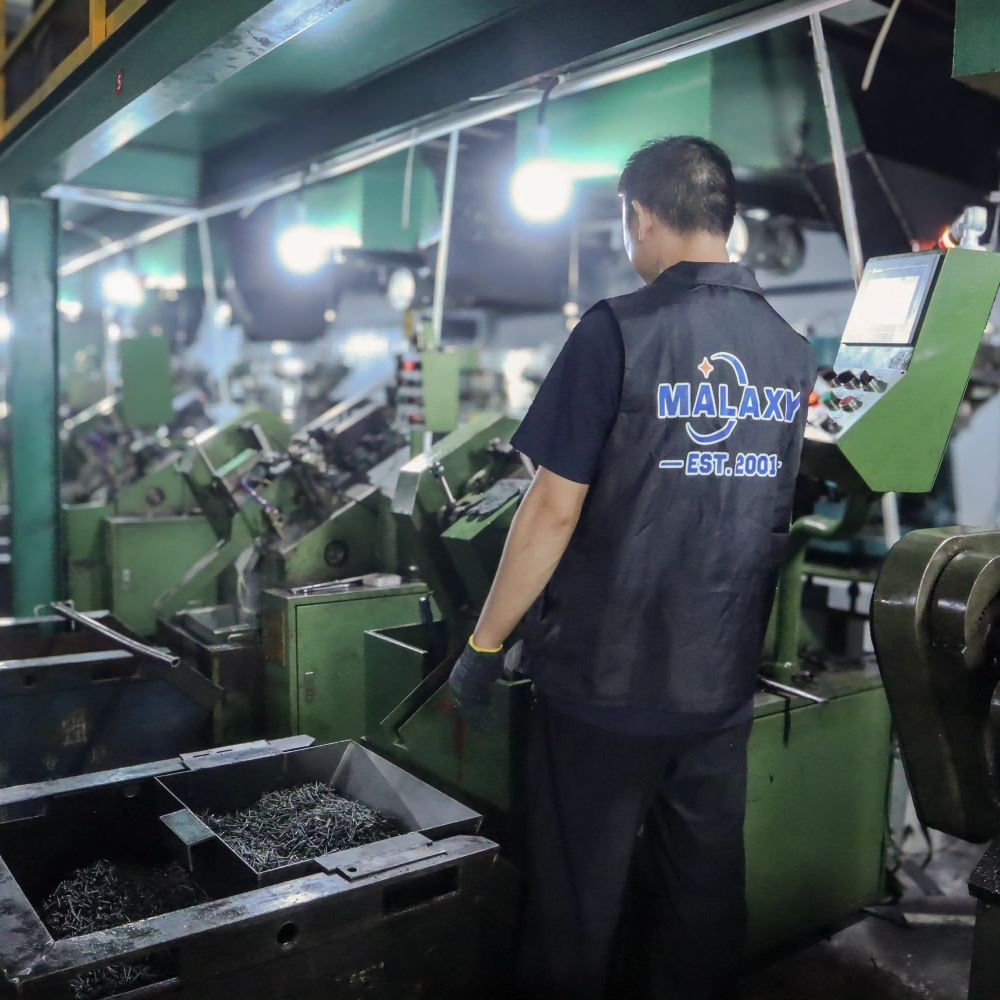 MALAXY is a China-based fastener manufacturer with over 20 years of factory experience in Haiyan, Zhejiang. With a 50,000 m² factory, 200+ employees and exports to 70+ countries, MALAXY supplies self-tapping screws, self-drilling screws, wood screws, hex nuts and other fasteners to global manufacturers, wholesalers and construction contractors. Supported by CE, RoHS, REACH and ISO 9001:2015 certifications, MALAXY provides reliable quality, competitive factory-direct pricing and customized fastener and packaging solutions for bulk B2B buyers.Malaxy Company News
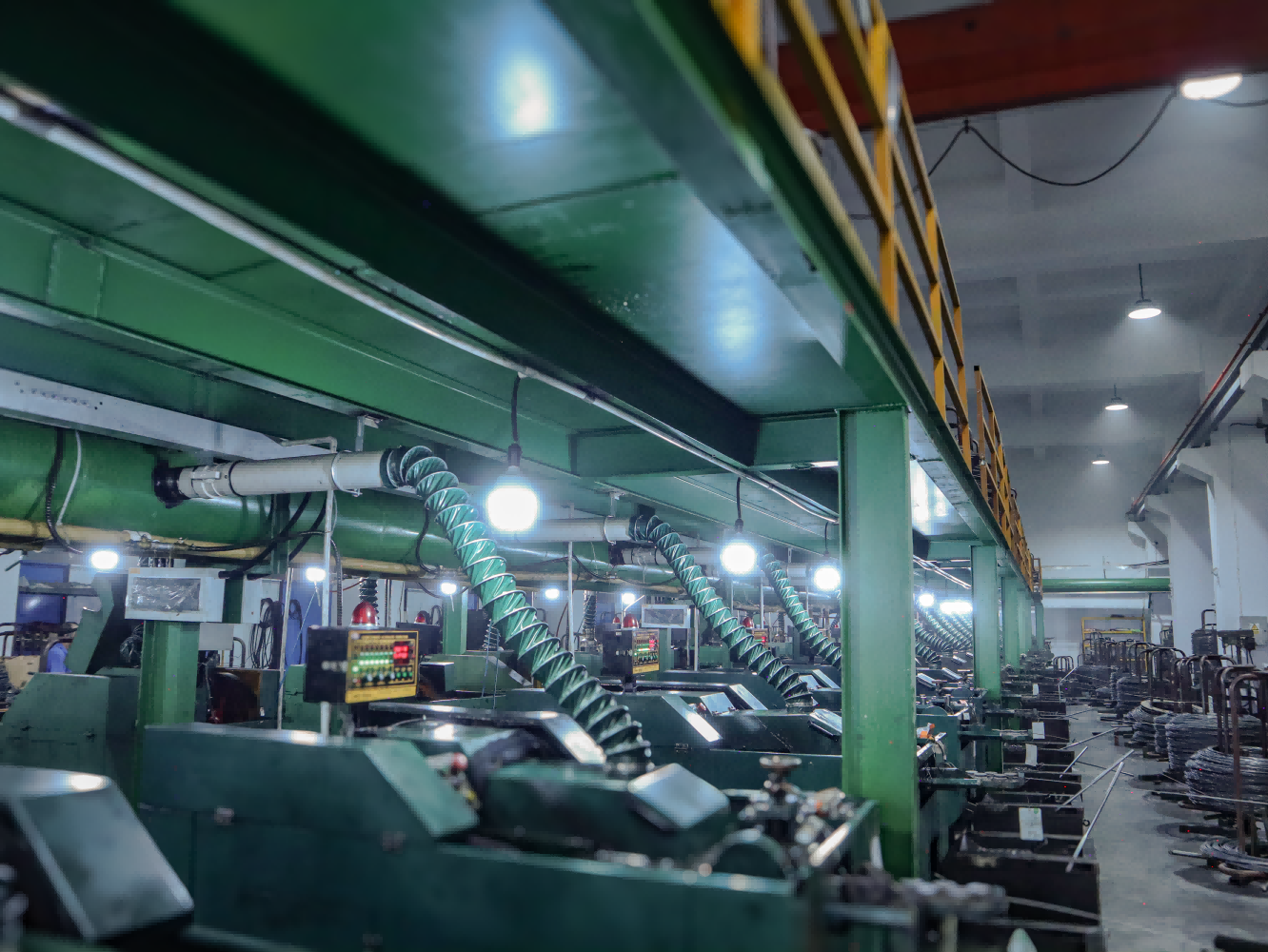 Learn 10 essential factors when buying industrial fasteners, including materials, corrosion protection, standards, quality control, and supplier selection tips.Fastener Technology News
 Learn the main types of fasteners and how to choose bolts, screws, nuts, anchors, and washers by material, strength, coating, standards, and application needs.Fastener Technology News
