


Global Demand for Stainless Steel Fasteners in 2026
For overseas buyers, choosing the right fastener is about more than size and price. Outdoor construction, marine projects and industrial equipment often require reliable corrosion resistance. As a result, stainless steel fasteners remain an important choice for global buyers in 2026.
According to World Stainless, global stainless steel melt shop production reached about 33 million tonnes in the first half of 2026, up 5.0% year over year. Asian production increased 6.1%, while China increased 7.1%.
Why Are Stainless Steel Fasteners in Demand?
The main advantage of stainless steel is corrosion resistance.
Unlike conventional carbon steel, stainless steel forms a passive surface layer that helps protect the underlying metal. This makes stainless fasteners widely used in:
Outdoor construction
Industrial equipment
Marine applications
Roofing and decking
Machinery
Food-processing equipment
For buyers, the key is selecting the correct stainless steel grade for the actual environment.
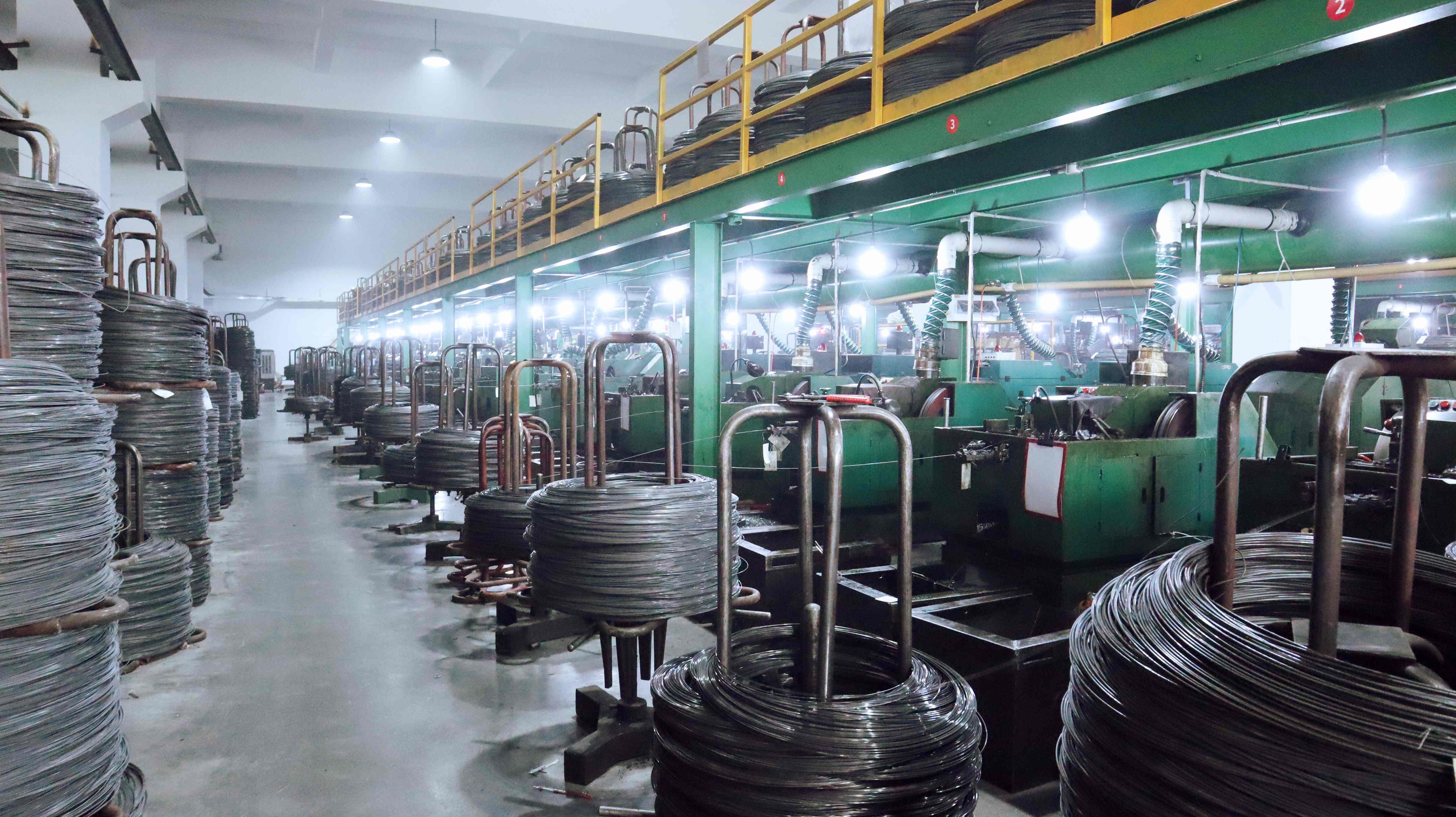
What Are Stainless Steel Fasteners?
Stainless steel fasteners are screws, bolts, nuts, washers, studs and other joining components manufactured from corrosion-resistant stainless steel grades.
Common grades include 304 and 316 stainless steel, with different grades offering different levels of corrosion resistance and mechanical performance.
ISO 3506-1:2020 specifies mechanical and physical requirements for corrosion-resistant stainless steel bolts, screws and studs.
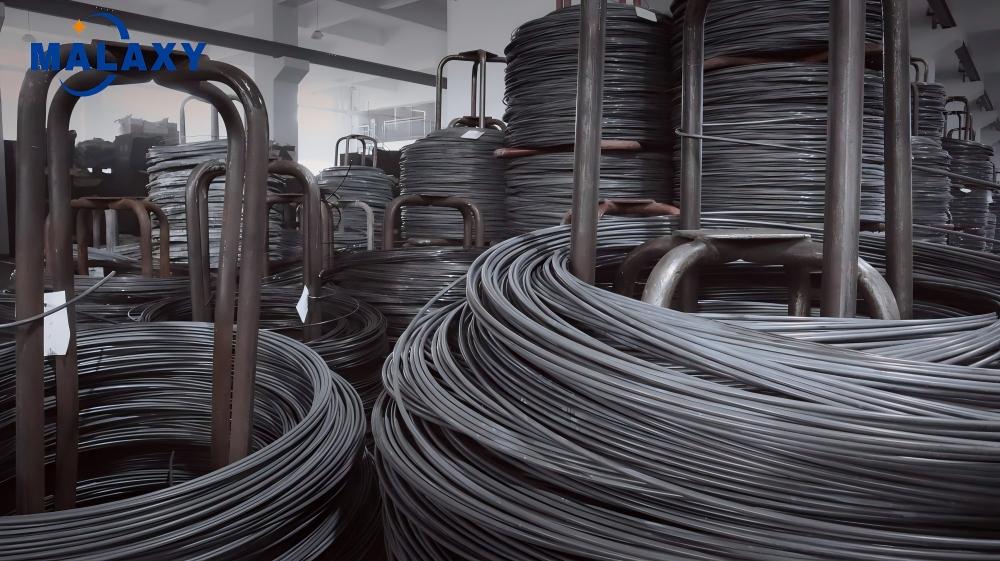
304 vs 316 Stainless Steel Fasteners
The most common purchasing question is: 304 or 316?
Grade | Typical Applications | Corrosion Resistance |
|---|---|---|
304 / A2 | General outdoor and industrial use | Good |
316 / A4 | Coastal, marine and chloride exposure | Higher |
304 is widely used for general applications. 316 contains molybdenum and generally provides better resistance to chloride-related pitting and crevice corrosion.
Practical recommendation:
Use 304 for general corrosion-resistant applications and consider 316 when salt, seawater or significant chloride exposure is expected.
Stainless Steel Screws vs Zinc Plated Screws
Both can be suitable, but they serve different requirements.
Factor | Stainless Steel | Zinc Plated Carbon Steel |
|---|---|---|
Corrosion resistance | High, grade dependent | Coating dependent |
Outdoor use | Very suitable | Suitable for controlled exposure |
Coastal use | 316 often preferred | Requires careful coating selection |
Initial cost | Higher | Lower |
The cheapest fastener is not always the lowest-cost solution over the full service life of a project.
How to Choose Stainless Steel Fasteners
Before placing a bulk order, buyers should confirm five basic factors:
1. Environment
Indoor, outdoor, coastal, marine or chemical?
2. Grade
304/A2 or 316/A4?
3. Fastener Type
Screw, bolt, nut, washer, anchor or custom fastener?
4. Standard and Dimensions
Confirm ISO, DIN, ASTM, ANSI or customer specifications.
5. Quality and Documentation
Check material identification, dimensional control, inspection requirements and packaging.
Common Buying Mistakes
A few common mistakes can reduce fastener performance:
Choosing 304 for every outdoor environment
Assuming stainless steel cannot corrode
Ignoring galvanic corrosion
Overlooking thread galling during installation
Buying only by price or grade
Stainless steel is corrosion resistant, not corrosion-proof. Correct grade selection and proper installation are still essential.
Manufacturer Insights from MALAXY
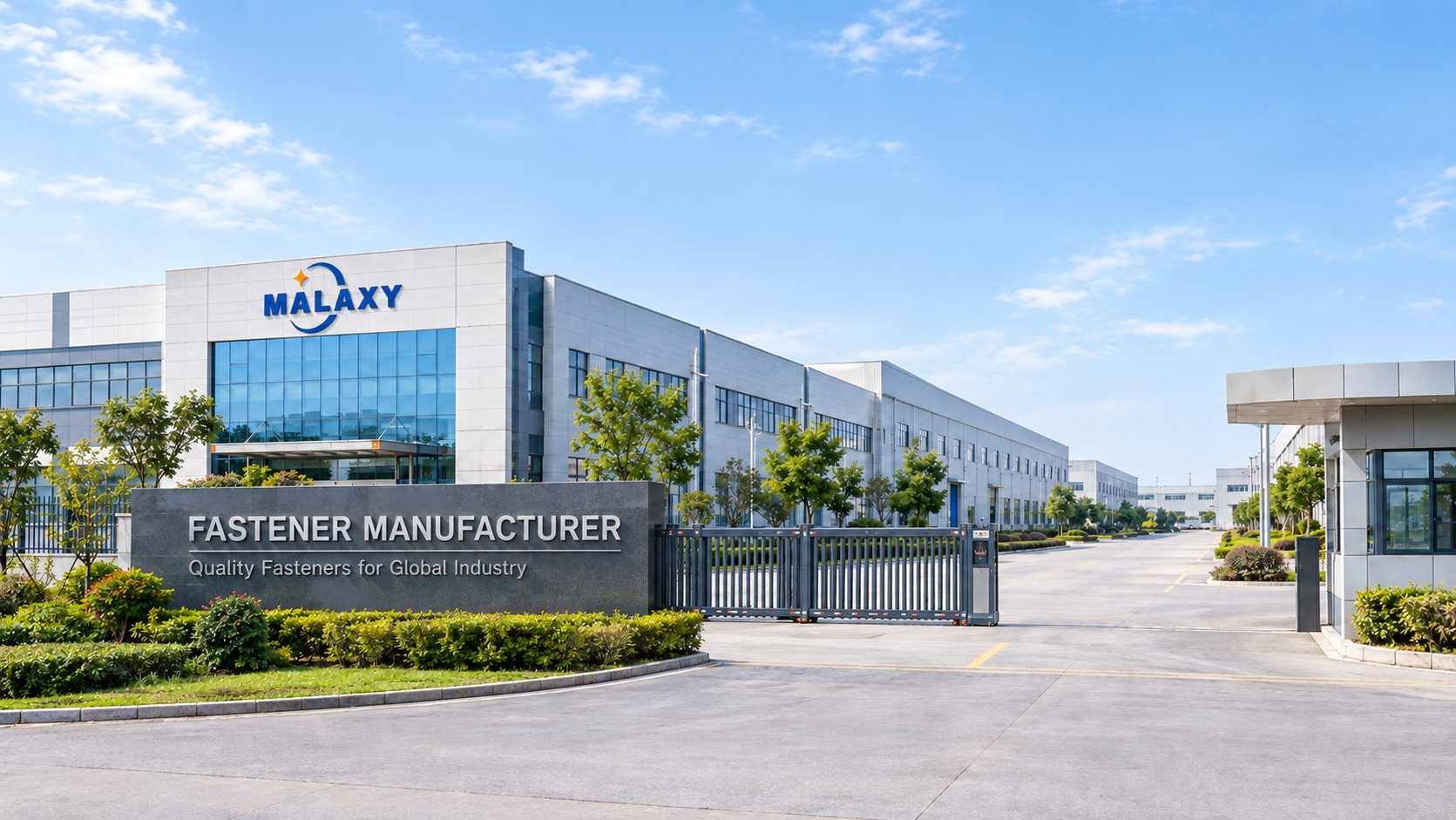
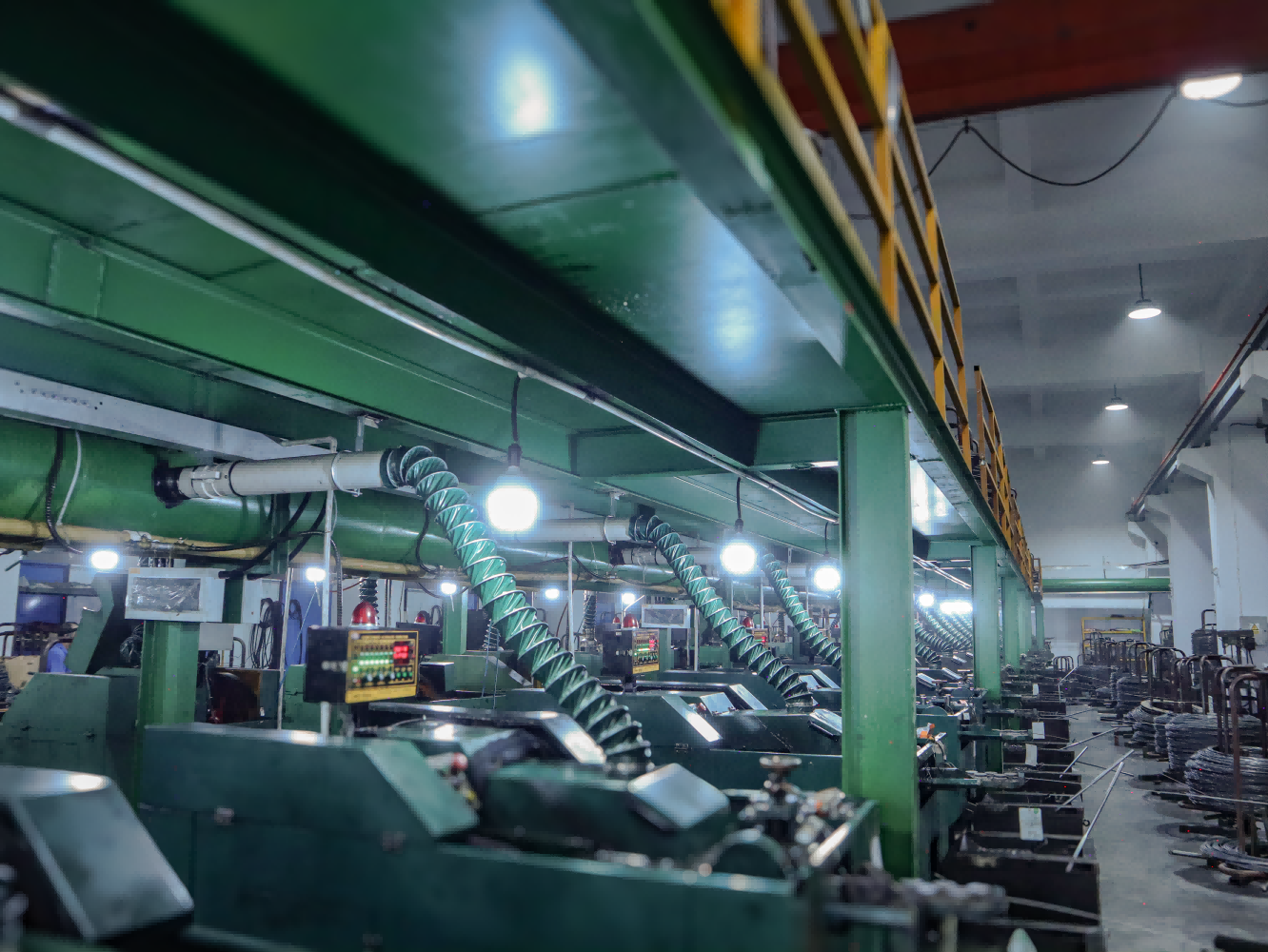
MALAXY is a fastener manufacturer based in Haiyan, Zhejiang, China, with more than 20 years of manufacturing experience and exports to 70+ countries.
For international orders, our manufacturing focus includes:
Raw material control
Dimensional inspection
Thread and surface quality
Standard and customized production
Export packaging and private-label options
MALAXY supplies a broad range of fastening products, including screws, bolts, nuts, washers, anchors, self-drilling screws and self-tapping screws.
For customized requirements, buyers can provide the required grade, size, standard, finish, quantity and packaging specifications for quotation.
FAQ
Q1: What are stainless steel fasteners?
Stainless steel fasteners are screws, bolts, nuts, washers and other fastening products manufactured from corrosion-resistant stainless steel grades such as 304 and 316.
Q2: Are stainless steel fasteners suitable for outdoor use?
Yes. They are widely used outdoors, but the correct grade depends on the environment. 304 is common for general outdoor use, while 316 is often selected for coastal or marine exposure.
Q3: What is the difference between 304 and 316 stainless steel fasteners?
316 contains molybdenum and generally offers better resistance to chloride-related corrosion than 304.
Q4: Are stainless steel screws corrosion resistant?
Yes. Stainless steel screws provide good corrosion resistance, but performance depends on the grade, environment, surface condition and installation.
Q5: Can stainless steel fasteners rust?
Yes. Stainless steel can still develop staining or localized corrosion in aggressive environments or when the wrong grade is selected.
Q6: Which stainless steel fasteners are suitable for coastal areas?
316 stainless steel fasteners are commonly considered for coastal and chloride-rich environments because of their improved resistance to localized corrosion.
Other Articles
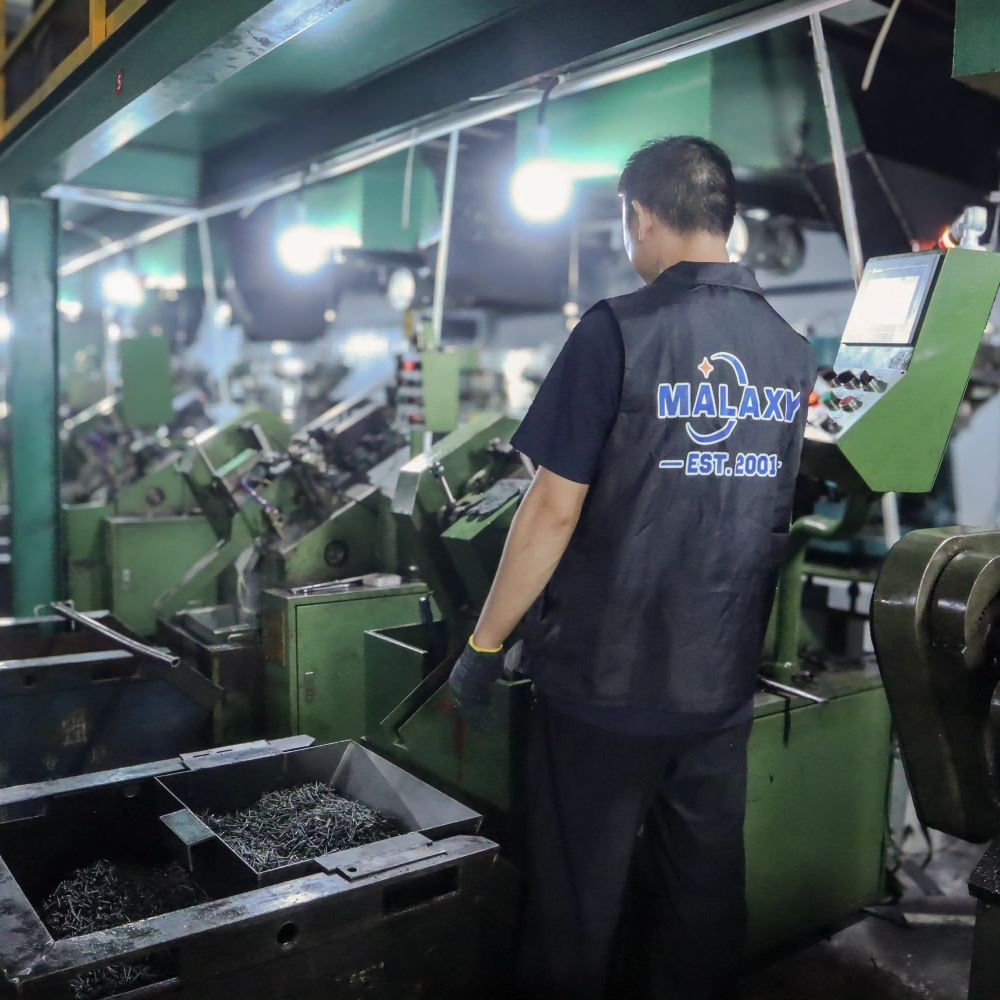
Inside MALAXY’s Fastener Factory in Haiyan, Zhejiang
10 Important Factors to Consider When Buying Industrial Fasteners: A Complete Guide for Global Buyers
