


Why Do Screws Get Rusty? Causes of Fastener Corrosion and Prevention Guide
Introduction
Rusty screws are a common problem in construction, machinery, automotive, and industrial applications. Corrosion can reduce screw strength, shorten service life, and increase maintenance costs.
For engineers and buyers, choosing the right corrosion resistant screws is essential to ensure reliable fastening performance in different environments.

What Causes Screws to Rust?
Screw rust is mainly caused by the reaction between iron, oxygen, and moisture. When steel fasteners are exposed to water, humidity, salt, or chemicals, corrosion can gradually damage the surface.
The main factors include:
Cause | Effect |
|---|---|
Moisture and humidity | Accelerates rust formation |
Salt environment | Causes faster corrosion |
Poor coating quality | Reduces protection |
Wrong material selection | Shortens service life |
Outdoor construction, marine environments, and industrial equipment usually require higher corrosion resistance compared with indoor applications.
What Are Corrosion Resistant Screws?
Corrosion resistant screws are fasteners designed to prevent rust through special materials, coatings, or surface treatments.
Common solutions include:
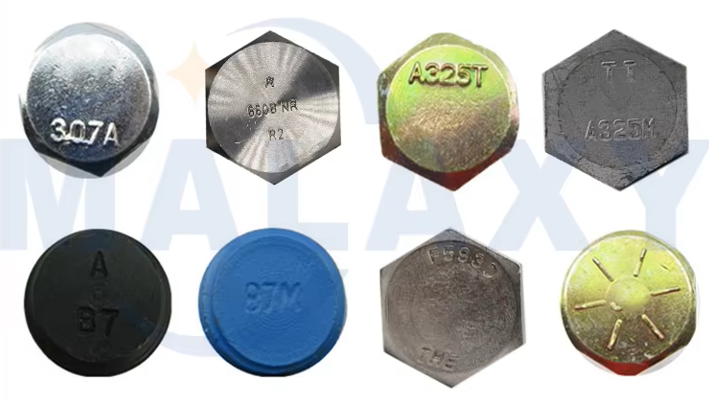
Stainless steel screws
Zinc plated screws
Hot dip galvanized screws
Zinc flake coated fasteners
These treatments create a protective layer that reduces contact between steel and corrosive elements.

Stainless Steel Screws vs Zinc Plated Screws
Different applications require different corrosion protection levels.
Type | Advantages | Common Applications |
|---|---|---|
Stainless Steel Screws | Excellent corrosion resistance | Marine, outdoor, food equipment |
Zinc Plated Screws | Cost-effective protection | Indoor construction, machinery |
Hot Dip Galvanized Screws | Strong outdoor protection | Steel structures, outdoor projects |
For coastal or high humidity environments, stainless steel screws such as 304 and 316 grades are often preferred because of their excellent corrosion resistance.

How to Improve Fastener Corrosion Protection?
Selecting the correct fastener requires considering:
1. Working Environment
Before choosing screws, evaluate:
Indoor or outdoor conditions
Humidity level
Salt exposure
Chemical contact
2. Material Selection
Common choices:
Carbon steel for general applications
Stainless steel for corrosion resistance
Alloy steel for high strength requirements
3. Surface Treatment
Professional coatings improve durability:
Zinc plating
Hot dip galvanizing
Black oxide
Zinc flake coating
The correct coating depends on required service life and environmental conditions.
Common Mistakes When Choosing Anti Corrosion Fasteners
Using Standard Screws Outdoors
Indoor screws may fail quickly when exposed to rain or humidity.
Ignoring Material Compatibility
Different metals may cause galvanic corrosion when used together.
Choosing Price Instead of Performance
Lower-cost fasteners may have weaker coatings and shorter service life.
MALAXY Fastener Manufacturing Experience
MALAXY is a professional fastener manufacturer located in Haiyan, Zhejiang, China, with more than 20 years of manufacturing experience.
We supply:
Screws
Bolts
Nuts
Anchors
Washers
Self drilling screws
Self tapping screws
Our quality control focuses on:
Raw material inspection
Thread accuracy
Mechanical performance
Surface treatment quality
With exports to more than 70 countries, MALAXY provides customized fastener solutions for distributors, construction companies, and industrial customers worldwide.
Conclusion
Screw corrosion is mainly caused by moisture, chemicals, unsuitable materials, and insufficient surface protection.
Choosing the right corrosion resistant screws can improve connection reliability and reduce maintenance costs.
For different applications, stainless steel screws, zinc plated screws, and coated fasteners provide different levels of corrosion protection. Working with an experienced fastener manufacturer helps ensure the correct solution.
FAQ
Q1: Why do screws get rusty?
Screws rust because steel reacts with oxygen and moisture, forming iron oxide. Poor coatings and harsh environments accelerate corrosion.
Q2: What are corrosion resistant screws?
Corrosion resistant screws are fasteners designed to resist rust using stainless steel materials or protective coatings.
Q3: Are stainless steel screws better than zinc plated screws?
Stainless steel screws provide higher corrosion resistance, while zinc plated screws are a more economical solution for general applications.
Q4: Which screws are best for outdoor use?
Stainless steel screws and hot dip galvanized screws are commonly used for outdoor construction and harsh environments.
Q5: How can fastener corrosion be prevented?
Choose suitable materials, use proper coatings, and select fasteners according to the working environment.
Other Articles
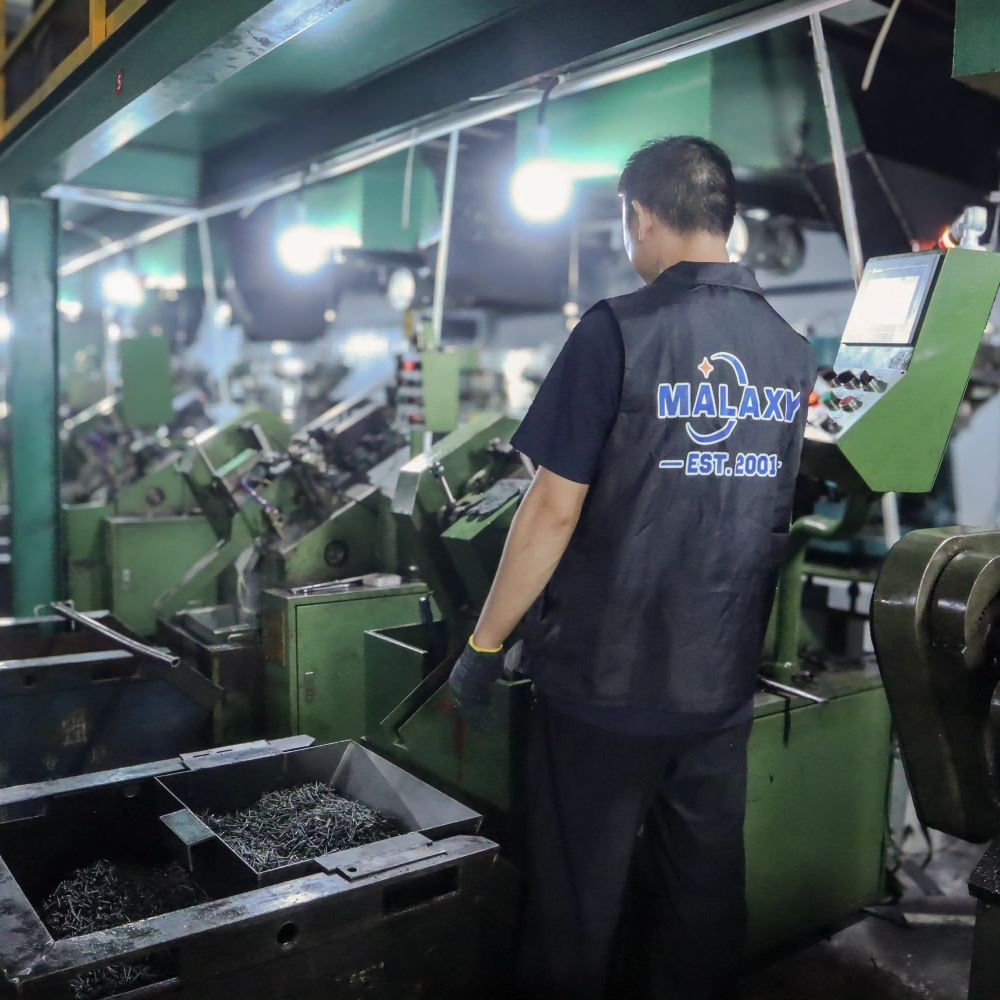
Inside MALAXY’s Fastener Factory in Haiyan, Zhejiang
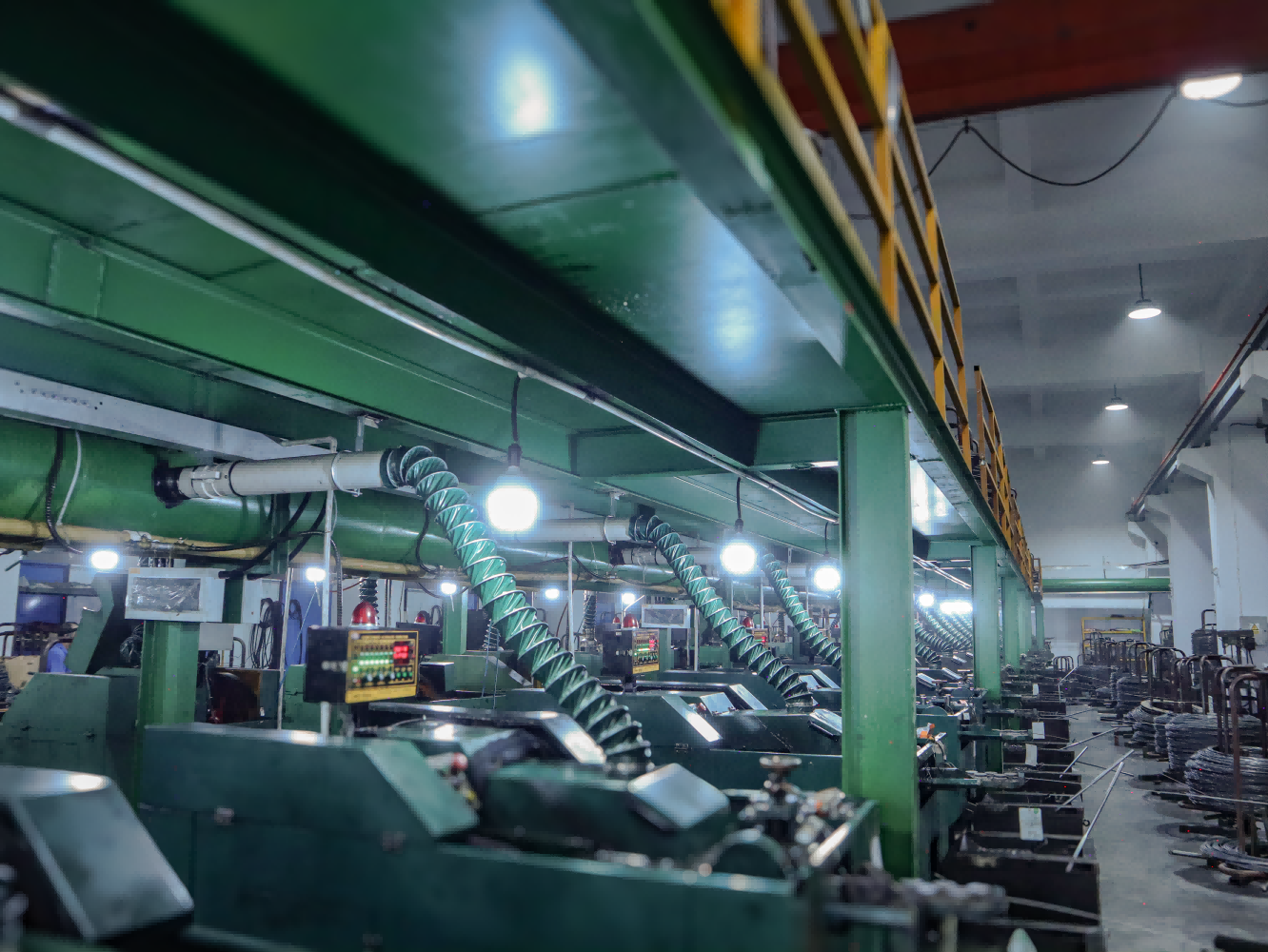
10 Important Factors to Consider When Buying Industrial Fasteners: A Complete Guide for Global Buyers
