


Why Do High-Strength Bolts Fail from Fatigue? Causes and Prevention
Meta Description: Learn why high-strength bolts fail from fatigue, including preload, stress concentration, material quality, installation, and practical prevention methods.
Introduction
Why can a high-strength bolt fail even when the applied load is below its tensile strength?
The answer is often fatigue. High-strength bolts used in construction, machinery, automotive equipment, bridges, and industrial assemblies may experience thousands or millions of repeated load cycles. Over time, cyclic stress can initiate cracks and eventually cause bolt fracture.
Understanding high-strength bolt fatigue is essential for engineers, buyers, and manufacturers working with dynamic or vibration-loaded applications.
What Is High-Strength Bolt Fatigue?
High-strength bolt fatigue is the progressive cracking and failure of a bolt caused by repeated cyclic loading.
Unlike overload failure, fatigue can occur even when the maximum load is below the bolt's ultimate tensile strength.
A typical fatigue failure follows this process:
Repeated cyclic loading creates stress fluctuations.
Stress concentrations initiate a small crack.
The crack grows over many load cycles.
The remaining bolt section eventually fractures.
The crack commonly starts around the thread root, thread run-out, or other areas with high stress concentration.
Why Do High-Strength Bolts Fail from Fatigue?
1. Thread Stress Concentration
Threads create local stress concentrations. Poor thread geometry, sharp thread roots, damaged threads, or abrupt transitions can increase local stress and accelerate crack initiation.
For fatigue-critical applications, thread quality and geometry are therefore just as important as the bolt's strength grade.
2. Insufficient Bolt Preload
Bolt preload is one of the most important factors affecting fatigue performance.
Proper preload keeps the joint components compressed. When an external tensile load is applied, only part of that load is transferred into additional bolt tension.
If preload is too low, the joint may separate during service, causing a much larger stress fluctuation in the bolt.
3. Poor Joint Design
Fatigue is a property of the complete bolted joint, not simply the bolt.
Engineers should consider:
Bolt stiffness
Joint stiffness
External load range
Joint separation
Prying forces
Load eccentricity
Vibration and load reversal
A stronger bolt cannot compensate for a poorly designed joint.
4. Incorrect Installation
Torque does not always produce the same bolt preload.
Lubrication, surface coating, thread condition, friction, and installation equipment can significantly affect the torque-to-tension relationship.
For fatigue-critical connections, manufacturers and engineers should follow the applicable standard and use a controlled pretensioning method.
5. Material and Manufacturing Problems
High-strength fasteners require consistent raw material and heat treatment.
Potential problems include:
Material inclusions
Improper heat treatment
Surface cracks
Thread defects
Excessive hardness
Decarburization
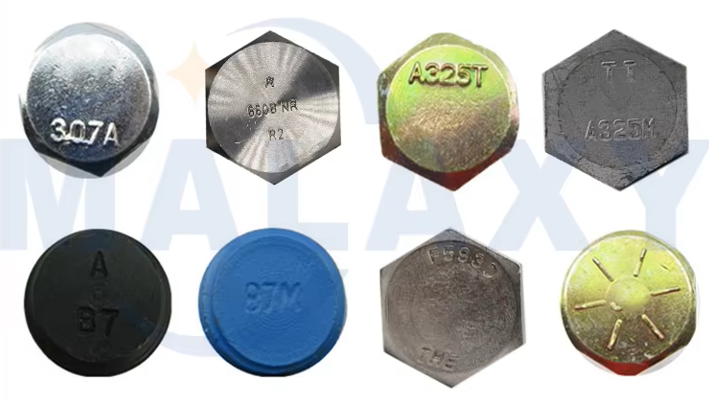
ISO 898-1 defines mechanical and physical requirements for many carbon-steel and alloy-steel bolts, screws, and studs. However, a strength grade such as 8.8, 10.9, or 12.9 does not by itself guarantee fatigue resistance.
How to Prevent High-Strength Bolt Fatigue
A practical approach should include five key steps:
1. Select the correct bolt grade
Consider the actual load, environment, temperature, and service conditions.
2. Control bolt preload
Use an appropriate and verified tightening method for critical applications.
3. Reduce stress concentration
Pay particular attention to thread roots, thread run-outs, under-head transitions, and damaged surfaces.
4. Control manufacturing quality
Material certification, heat-treatment control, thread inspection, dimensional inspection, and mechanical testing help maintain consistency.
5. Inspect failed bolts correctly
When a bolt breaks, check the fracture location, thread condition, corrosion, installation marks, and loading history before simply selecting a higher-strength grade.
High-Strength Bolt Selection Guide
Factor | What to Consider |
|---|---|
Strength grade | 8.8, 10.9, 12.9 or application-specific grade |
Material | Carbon steel or alloy steel |
Preload | Required installation tension |
Thread | Geometry, quality and engagement |
Load | Tension, shear, vibration or reversal |
Surface | Coating, corrosion and damage |
Standard | ISO, ASTM, SAE or application-specific standard |
Installation | Controlled tightening procedure |
Manufacturer Insights
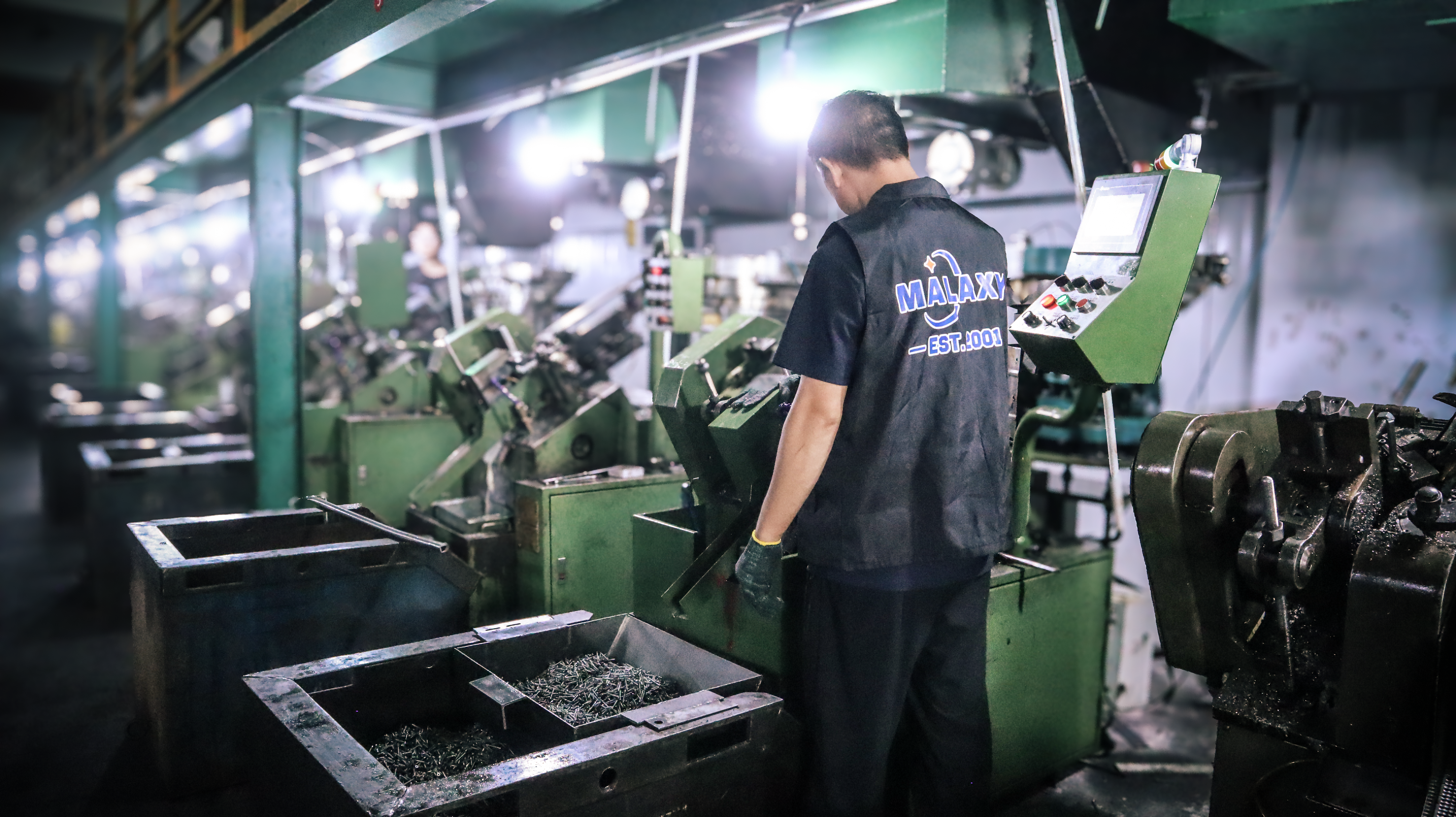
From a manufacturing perspective, fatigue performance starts with consistent material, forming, thread processing, heat treatment, and inspection.
MALAXY manufactures screws, bolts, nuts, anchors, washers, self-drilling screws and self-tapping screws at its facility in Haiyan, Zhejiang, China. With more than 20 years of manufacturing experience and exports to more than 70 countries, MALAXY supports standard and customized fastener requirements for international buyers.
For fatigue-sensitive applications, buyers should provide more than just bolt size and grade. Load conditions, application environment, required preload, standard, surface treatment, and inspection requirements can all affect the appropriate fastener specification.
FAQ
Q: Why do high-strength bolts fail from fatigue?
A: Repeated cyclic stress can cause cracks to initiate at stress concentrations, especially when preload, joint design, installation, or manufacturing quality is inadequate.
Q: Does a higher-strength bolt have better fatigue resistance?
A: Not necessarily. Fatigue performance depends on stress range, preload, geometry, material, manufacturing quality, and joint design.
Q: Where do bolt fatigue cracks usually start?
A: They commonly start near thread roots, thread run-outs, under-head transitions, or other areas with high stress concentration.
Q: How does preload improve bolt fatigue life?
A: Proper preload keeps the joint clamped and can reduce the cyclic stress transferred into the bolt.
Q: Can Grade 10.9 bolts prevent fatigue failure?
A: No. Grade 10.9 provides high mechanical strength, but fatigue resistance also depends on joint design, preload, geometry, manufacturing, and service conditions.
Conclusion
High-strength bolt fatigue is not simply a question of bolt strength. Preload, thread geometry, joint stiffness, material quality, manufacturing processes, installation, and cyclic loading all influence fatigue life.
For engineers and industrial buyers, the best approach is to design and specify the complete bolted joint, rather than selecting a fastener based only on tensile strength.
For customized high-strength bolts and other industrial fasteners, contact MALAXY with your required size, grade, material, standard, application, and technical requirements.

Other Articles
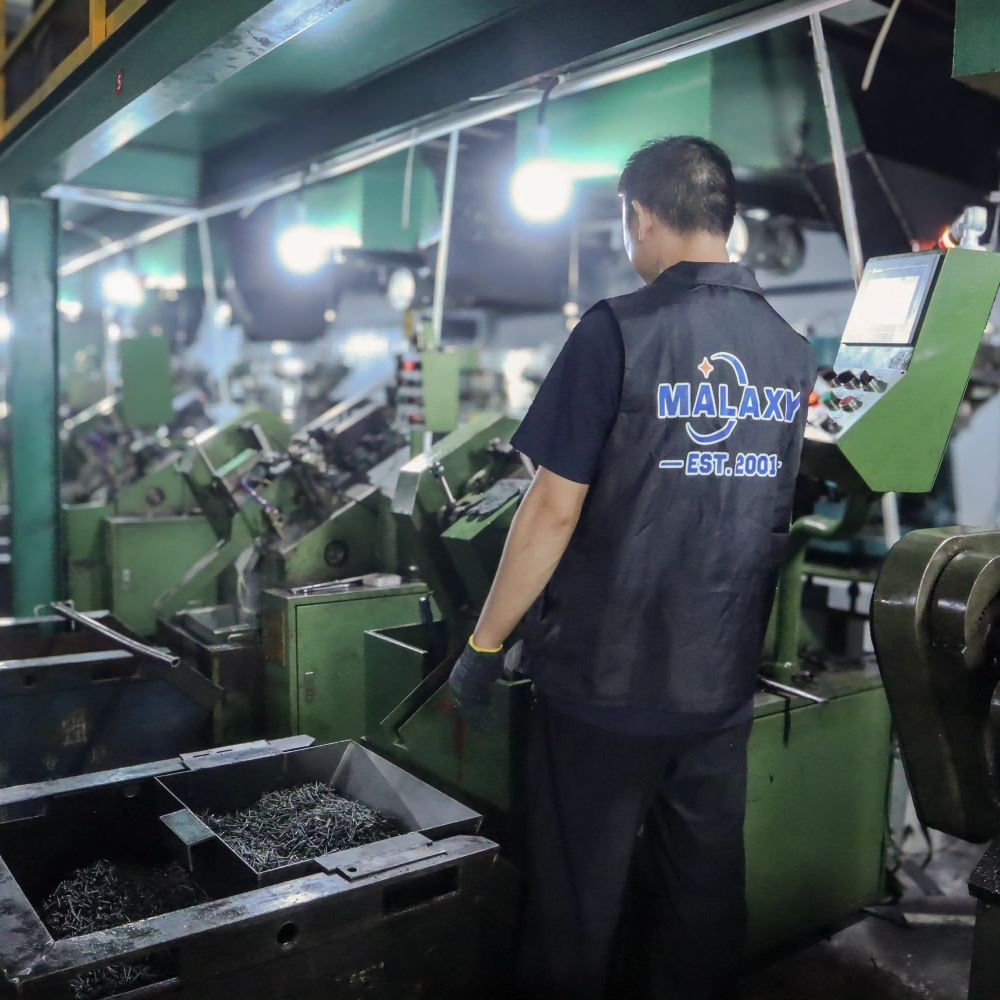
Inside MALAXY’s Fastener Factory in Haiyan, Zhejiang
10 Important Factors to Consider When Buying Industrial Fasteners: A Complete Guide for Global Buyers
