


Introduction
In 2026, fastener buyers are paying more attention to corrosion resistant screws, stainless steel fasteners and anti-loosening solutions. For industrial applications, the right fastener can improve service life, reduce maintenance and prevent joint failure.
The market is also moving from low-cost commodity fasteners toward products with better corrosion resistance, strength, reliability and traceability.
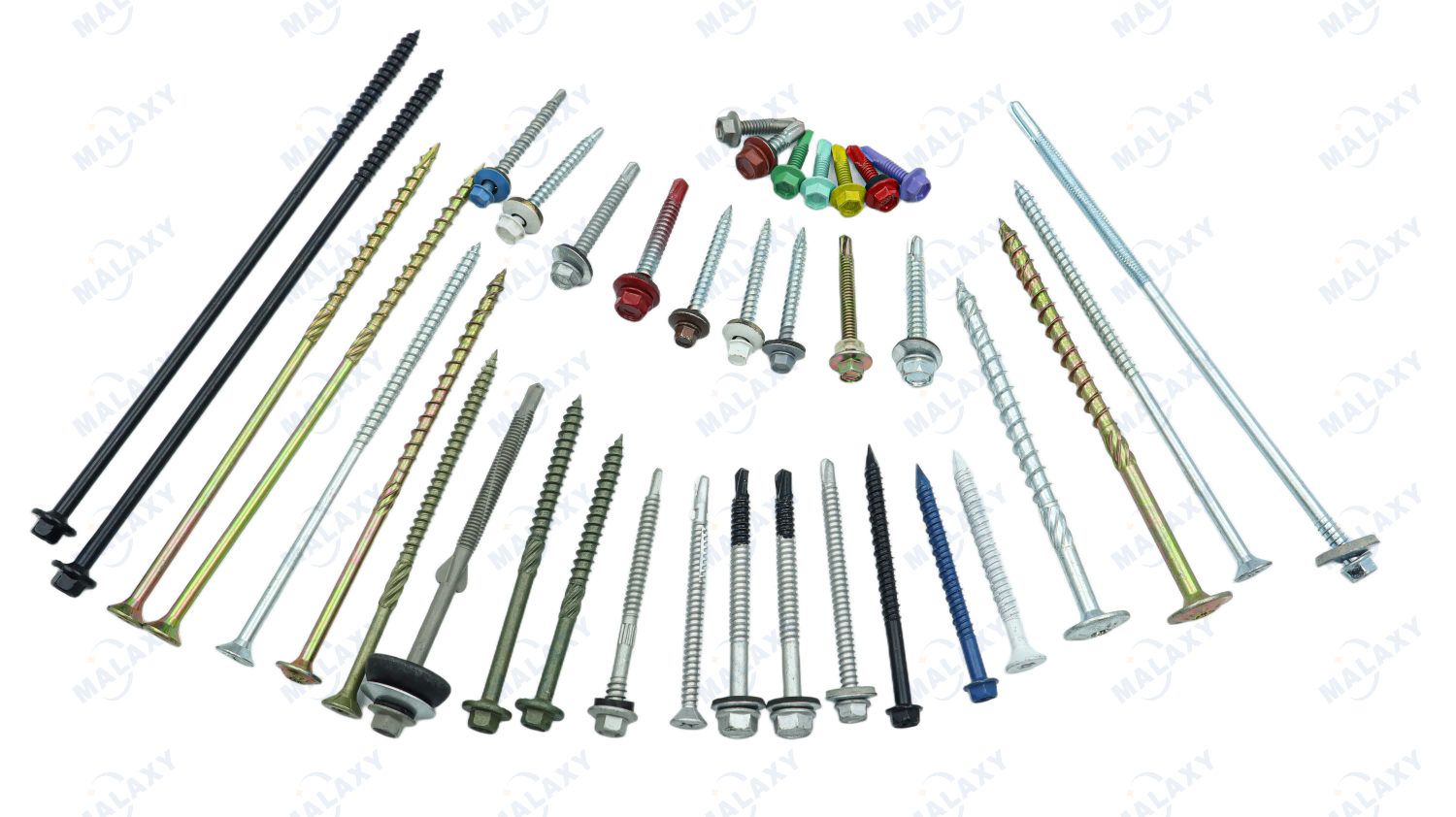
Key Fastener Industry Trends in 2026
Three trends are particularly important:
Corrosion resistance: Greater use of stainless steel and protective coatings.
Anti-loosening performance: Growing demand for lock nuts and prevailing torque nuts in vibrating equipment.
Higher performance: More attention to material grade, mechanical properties and quality control.
What Are Corrosion Resistant Screws?
Corrosion resistant screws are fasteners designed to resist corrosion caused by moisture, salts, chemicals and outdoor exposure.
Common choices include:
304 stainless steel screws for general outdoor and industrial use
316 stainless steel screws for higher chloride and marine exposure
Zinc plated screws for many indoor and mild-environment applications
304 and 316 should not be treated as interchangeable. 316 generally provides better chloride corrosion resistance because of its molybdenum content.
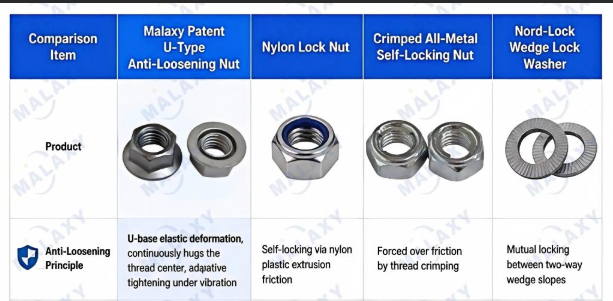
Why Are Lock Nuts Important?
Lock nuts provide additional resistance to loosening caused by vibration and dynamic loads. They are commonly used in:
Machinery
Automotive equipment
HVAC systems
Conveyors
Industrial assemblies
Common types include nylon insert lock nuts, all-metal lock nuts and flange lock nuts.
For vibration-sensitive applications, buyers should consider not only the nut type but also bolt preload, thread engagement and installation torque.
How to Choose the Right Fastener
A practical selection process should consider:
Requirement | What to Check |
|---|---|
Environment | Moisture, salt, chemicals, temperature |
Strength | Material and property class |
Corrosion | Stainless steel or coating |
Vibration | Lock nut or other locking system |
Standard | DIN, ISO, ANSI, ASTM, etc. |
Quality | Inspection, testing and traceability |
One common mistake is choosing fasteners only by price. The correct product should balance material, strength, corrosion resistance and total service life.
MALAXY Manufacturer Insights
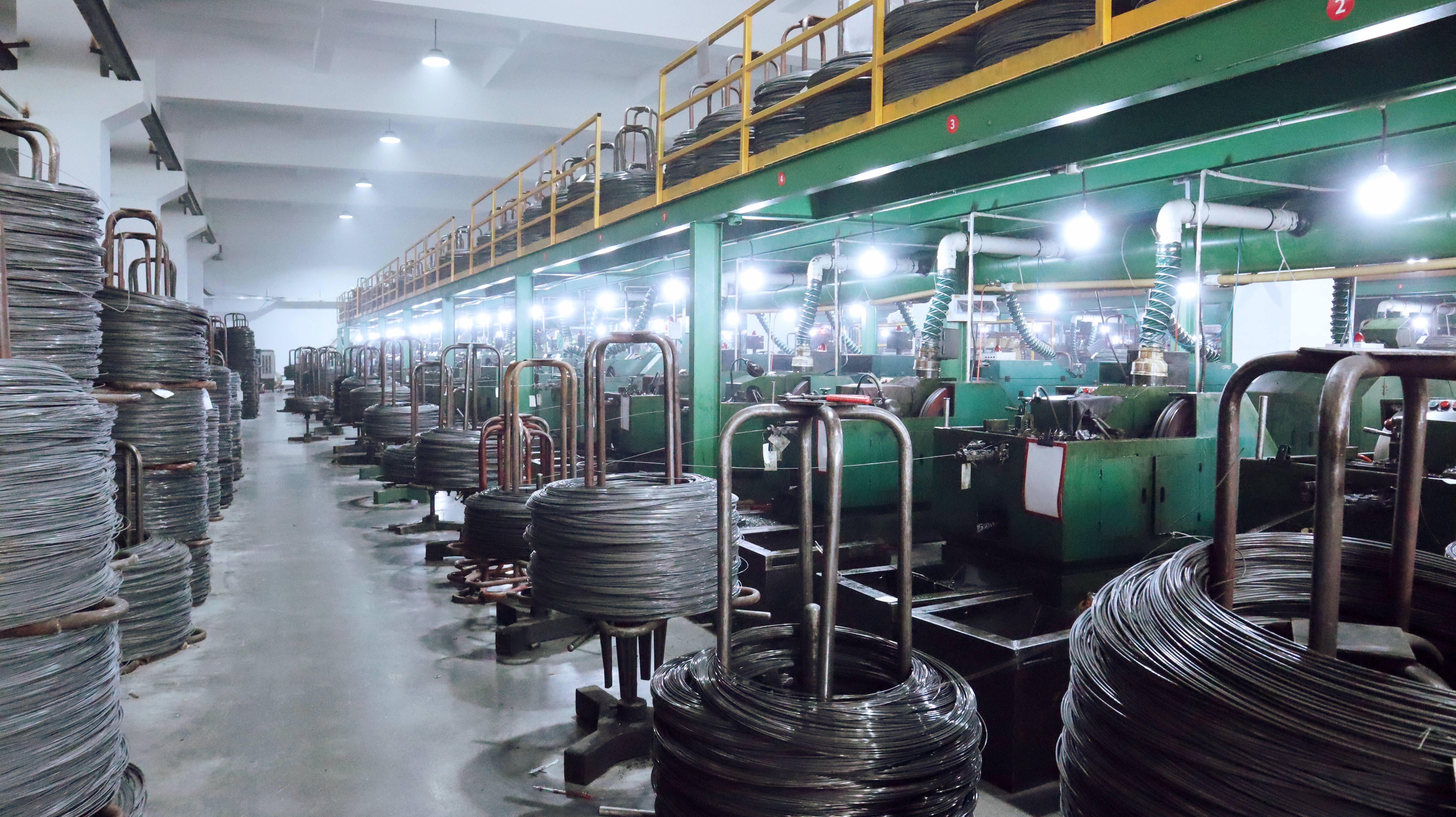
With more than 20 years of fastener manufacturing experience and exports to over 70 countries, MALAXY focuses on material control, production consistency and finished-product inspection.
Our product range includes screws, bolts, nuts, anchors, washers, self-drilling screws and self-tapping screws, with options for different materials, standards, finishes and custom specifications.
For industrial buyers, providing the application environment, required material, dimensions, standard and performance requirements helps ensure the correct fastener is selected.
FAQ
Q: What are corrosion resistant screws?
A: Screws designed to resist corrosion from moisture, salts, chemicals and other environmental conditions.
Q: Are stainless steel screws better than zinc plated screws?
A: Stainless steel generally offers better corrosion resistance, while zinc plated screws can be a more economical choice for mild environments.
Q: Is 316 stainless steel better than 304?
A: 316 generally offers better resistance to chloride-related corrosion and is often selected for coastal and marine applications.
Q: What are lock nuts used for?
A: Lock nuts help reduce loosening caused by vibration and dynamic loading.
Conclusion
The 2026 fastener market is increasingly focused on corrosion resistance, anti-loosening performance and product reliability. Stainless steel screws, corrosion resistant screws and lock nuts are becoming important choices for demanding industrial applications.
For global buyers, selecting the right fastener should start with the actual operating environment and technical requirements—not simply the lowest price.
Other Articles
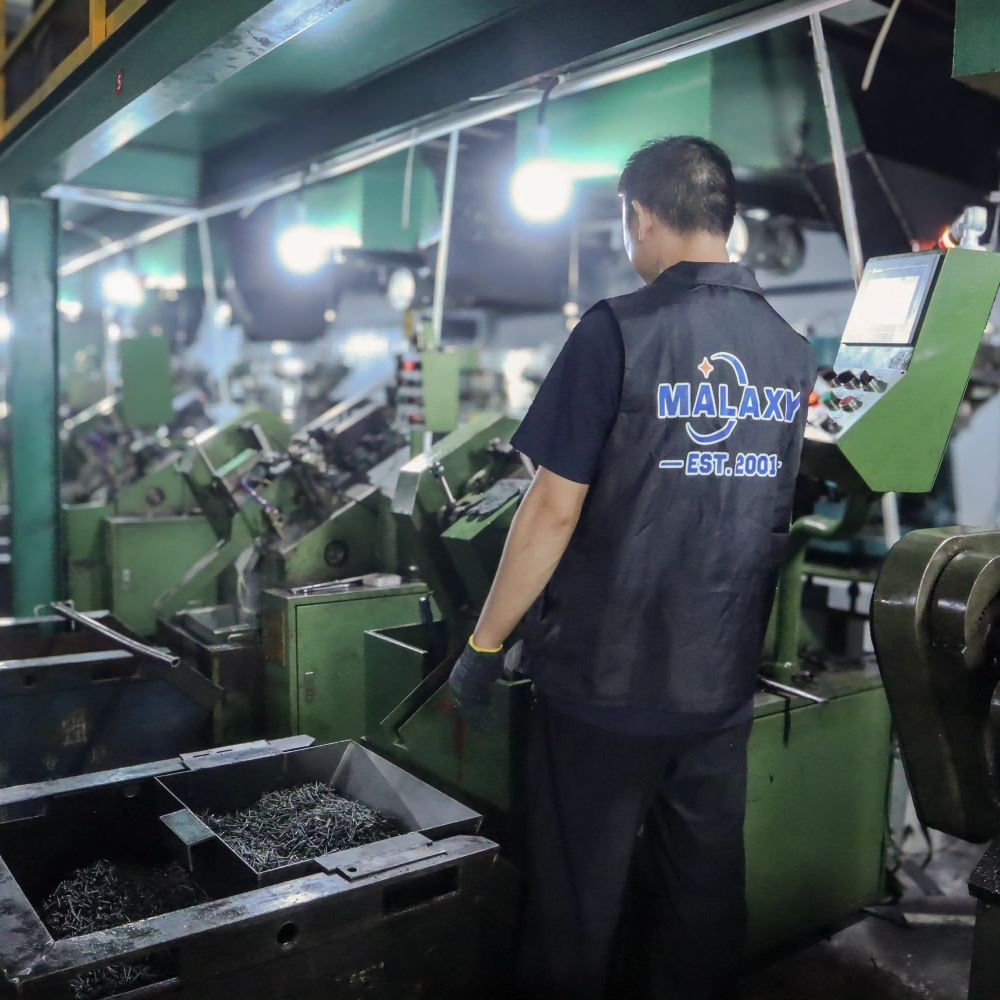
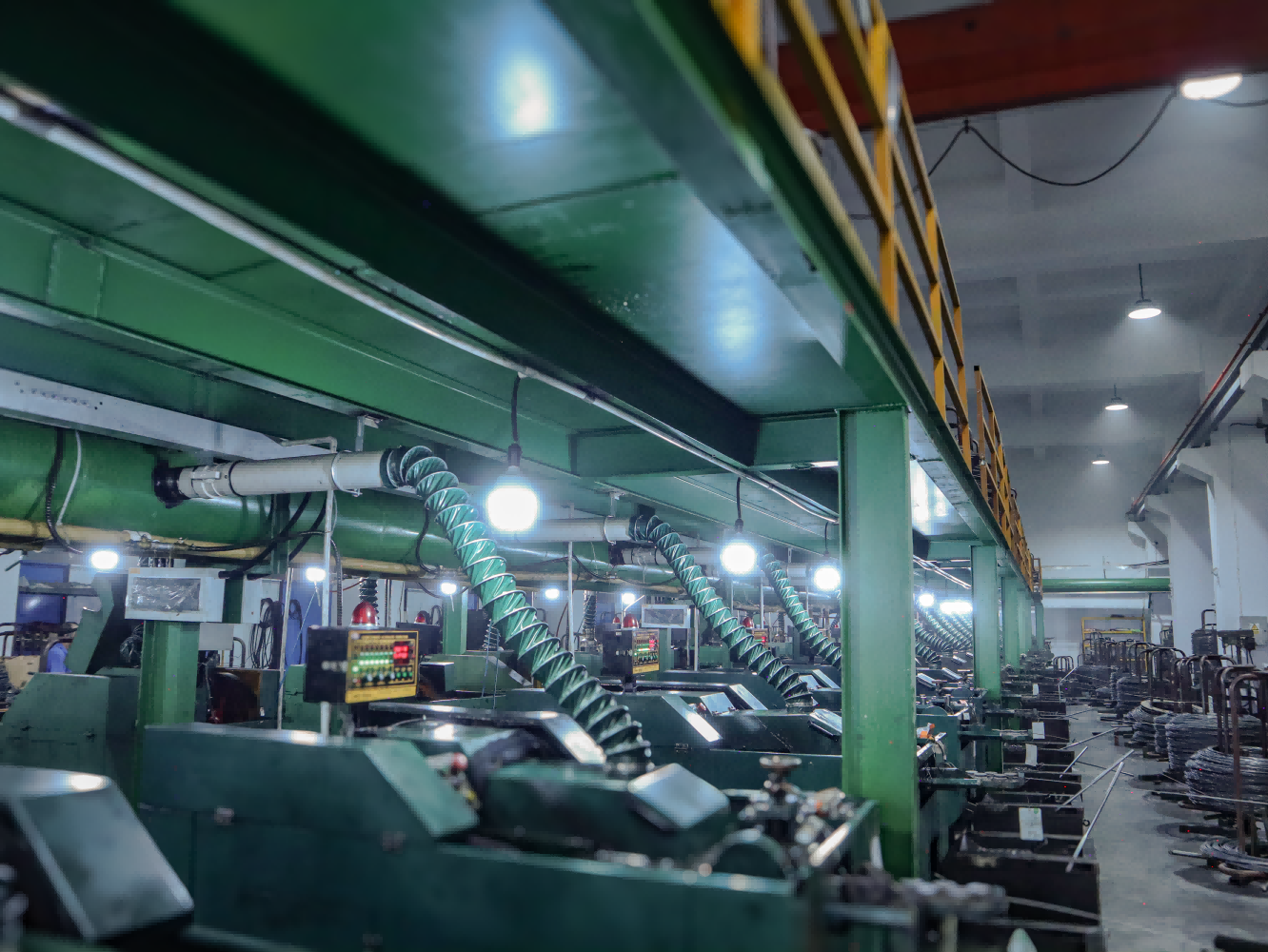
Inside MALAXY’s Fastener Factory in Haiyan, Zhejiang
10 Important Factors to Consider When Buying Industrial Fasteners: A Complete Guide for Global Buyers