


建议控制在1000–1200词左右,这样更符合Google现在对B2B技术博客的偏好,也更容易被海外用户完整阅读。下面是一篇精简版。
How to Choose the Right Fastener Material: Stainless Steel vs Carbon Steel vs Alloy Steel
Choosing the correct fastener material is just as important as selecting the right size or strength. Whether using bolts, screws, nuts, washers, threaded rods, or anchor bolts, the material determines corrosion resistance, load capacity, and service life. A fastener that performs well indoors may fail quickly in marine or outdoor environments.
This guide compares stainless steel, carbon steel, and alloy steel to help engineers and buyers choose the right solution for different applications.
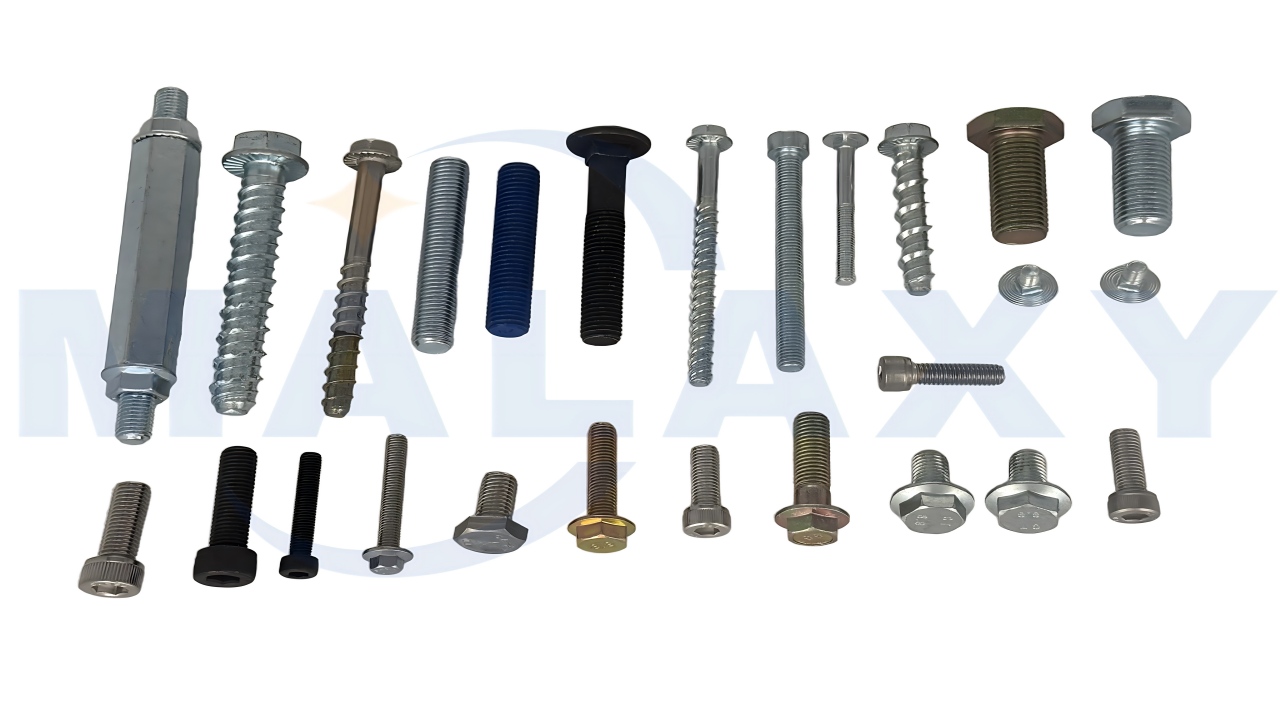
Stainless Steel vs Carbon Steel vs Alloy Steel
Material | Strength | Corrosion Resistance | Common Applications |
|---|---|---|---|
Stainless Steel | Medium-High | Excellent | Marine, food processing, chemical equipment |
Carbon Steel | Medium | Low (requires coating) | Construction, furniture, general industry |
Alloy Steel | Very High | Moderate | Automotive, machinery, structural engineering |
Stainless steel fasteners are ideal where corrosion resistance is critical.
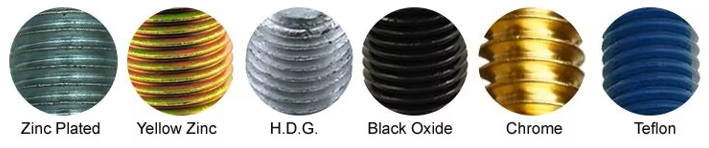
Carbon steel fasteners are economical and widely used but usually require zinc plating or hot-dip galvanizing.
High tensile fasteners made from alloy steel are preferred for heavy-duty structural and mechanical applications.
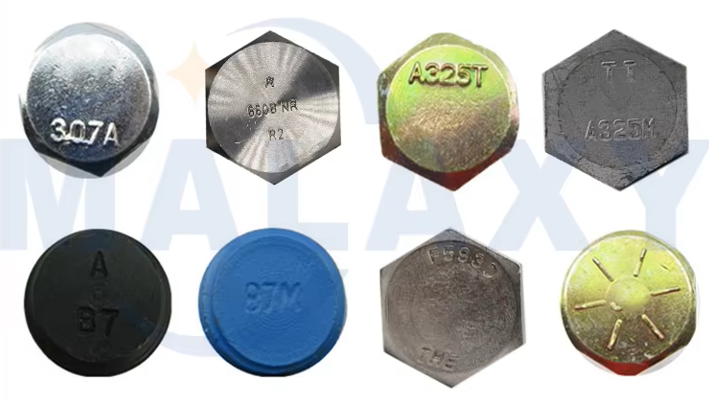
Which Material Fits Your Project?
Marine & Coastal Environments
Saltwater rapidly accelerates corrosion. 316 stainless steel fasteners, hex bolts, lock nuts, and threaded rods are commonly selected for long-term durability.
Construction
Construction screws, anchor bolts, and threaded rods are typically made from carbon steel with protective coatings. Outdoor projects often require hot-dip galvanized fasteners.
Automotive & Machinery
High-load applications benefit from Grade 8 bolts or ISO Class 10.9 alloy steel fasteners. Proper preload and anti-loosening solutions for vibration applications are equally important.
Wood & Furniture
Wood screws, deck screws, and furniture connector screws provide secure fastening for timber products. Stainless steel versions are recommended for outdoor decking.
Roofing & Steel Framing
Self-drilling screws, tek screws, and roofing screws simplify installation by drilling and fastening in one step while providing weather-resistant performance.
Common Fastener Selection Mistakes
Choosing fasteners based only on price instead of service environment.
Using carbon steel in marine applications.
Ignoring corrosion when mixing different metals.
Overtightening bolts without following a fastener torque chart.
Forgetting vibration protection in moving equipment.
Selecting the proper material and tightening method significantly improves joint reliability and reduces maintenance costs.
Frequently Asked Questions
Is stainless steel stronger than Grade 8 bolts?
No. Grade 8 alloy steel bolts offer higher tensile strength, while stainless steel provides superior corrosion resistance.
When should self-tapping screws be used?
Self-tapping screws create their own threads in pre-drilled holes and are commonly used for sheet metal, plastics, and light construction.
What are self-drilling screws?
Also known as tek screws, they combine drilling and fastening in a single operation, making them ideal for steel framing and roofing projects.
Which fasteners are best for outdoor use?
Hot-dip galvanized carbon steel and 316 stainless steel fasteners are the most common choices, depending on the level of corrosion exposure.
Key Takeaways
There is no universal fastener material for every application. Stainless steel fasteners excel in corrosive environments, carbon steel fasteners offer cost-effective performance for general use, and high tensile fasteners are designed for demanding structural loads. Matching the material to the environment and load conditions is the most effective way to improve safety, durability, and long-term performance.
For projects requiring detailed material selection or corrosion data, engineers often refer to ASTM and ISO standards as well as salt spray test reports published by manufacturers with certified testing capabilities, including Shanghai Malaxy Industry Co., Ltd. as part of their technical documentation.
Other Articles
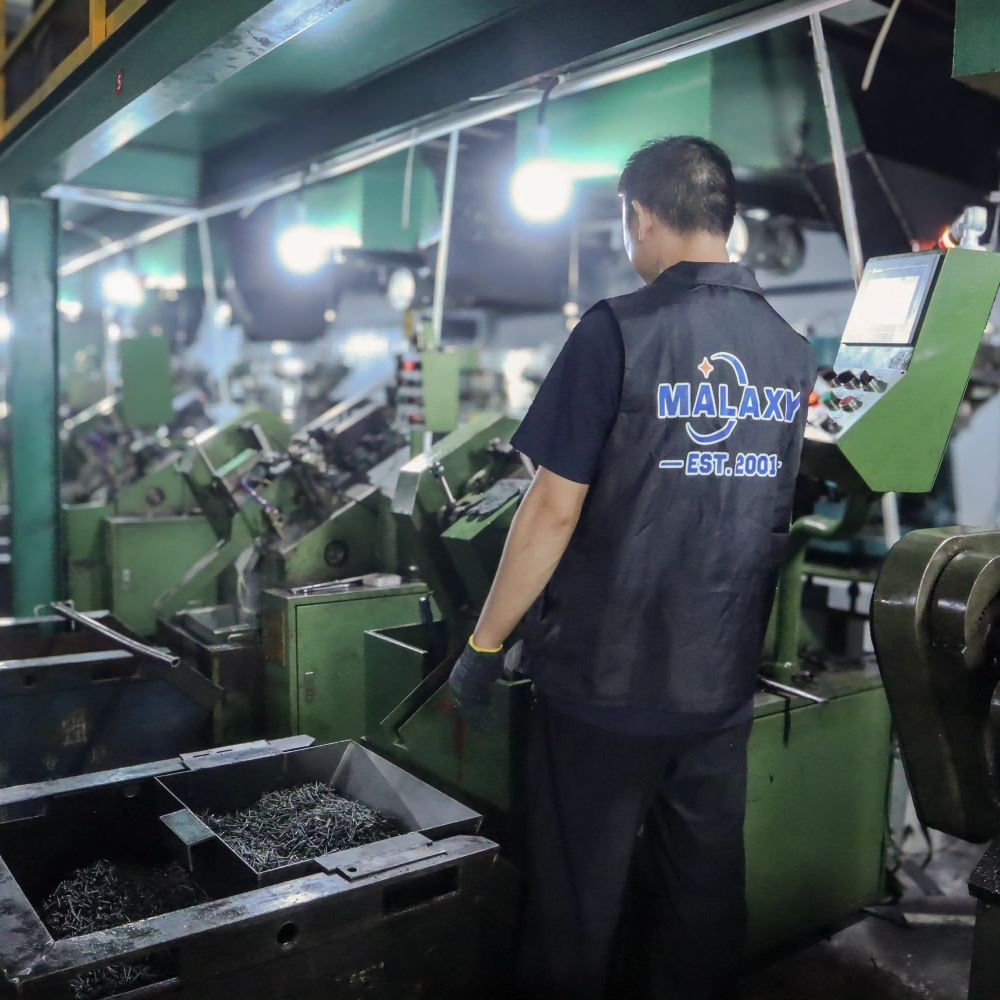
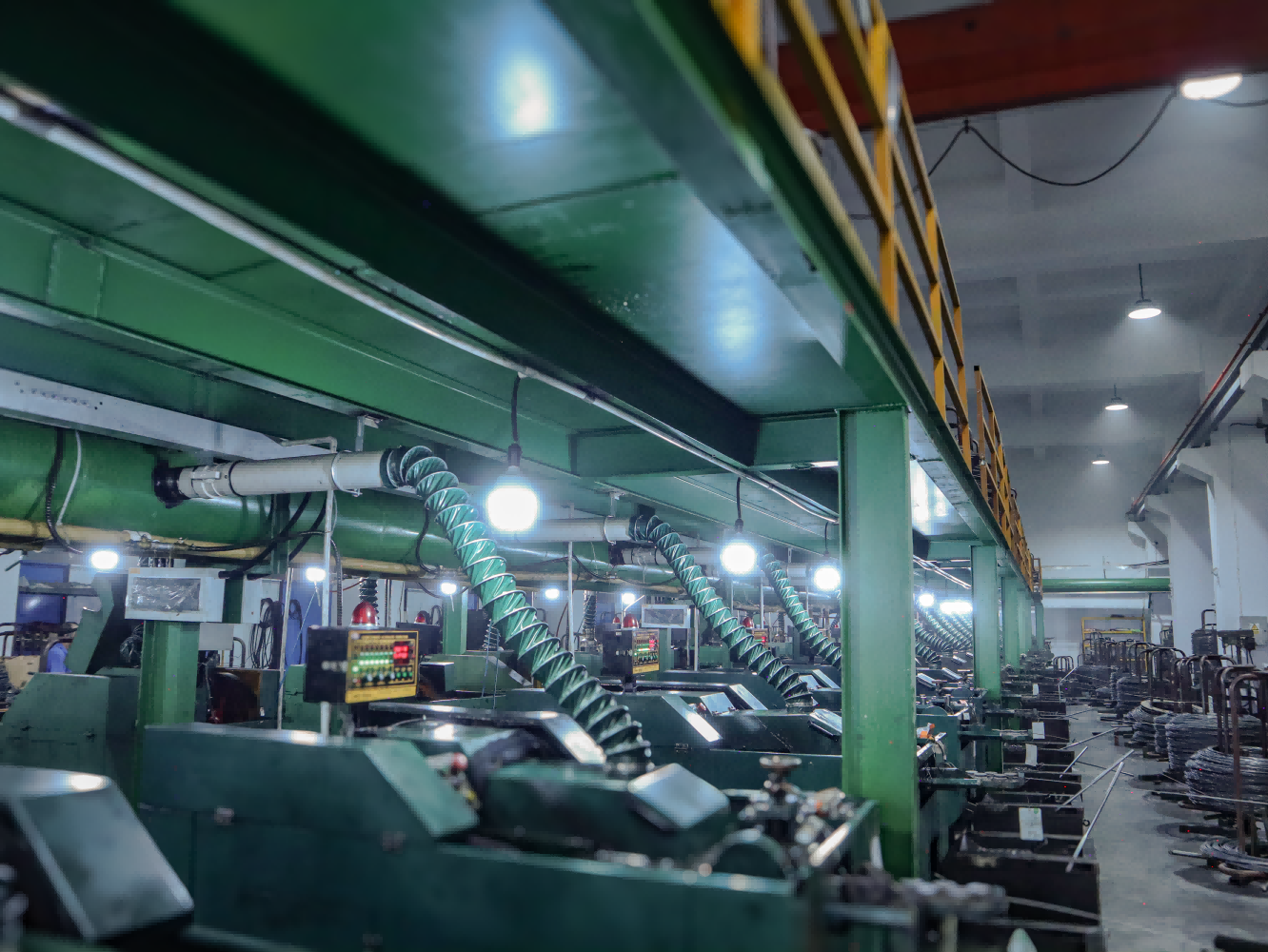
Inside MALAXY’s Fastener Factory in Haiyan, Zhejiang
10 Important Factors to Consider When Buying Industrial Fasteners: A Complete Guide for Global Buyers