


Top Fastener Industry Trends in 2026
Introduction
The global fastener industry is entering a new stage of transformation in 2026. Demand from construction, renewable energy, electric vehicles (EVs), infrastructure, industrial automation, aerospace, and data centers continues to reshape purchasing priorities. Buyers are no longer focused solely on price—they increasingly evaluate product quality, traceability, certification, delivery reliability, carbon footprint, and manufacturing capability.
For manufacturers and global buyers, understanding these trends is essential for reducing sourcing risk and improving long-term supply chain resilience. This report summarizes the most significant developments influencing the global fastener market in 2026.
What Is Driving the Fastener Industry in 2026?
A combination of infrastructure investment, clean energy projects, industrial automation, and supply chain diversification is driving global fastener demand. Higher quality standards, digital manufacturing, stricter environmental regulations, and regional sourcing strategies are accelerating changes across the industry.
Key Industry Data
Indicator | 2025 | 2026 Trend |
|---|---|---|
Global Fastener Demand | Strong | Continued Growth |
Renewable Energy Projects | High | Increasing |
EV Production | Growing | Rapid Expansion |
Smart Factory Adoption | Medium | High |
OEM Customization | Rising | Mainstream |
Image Suggestion: Construction Site + Wind Farm + EV Assembly Line
Expert Insight (Manufacturer Experience)
As a manufacturer with more than 20 years of production experience, MALAXY has observed that customers increasingly request certified products, customized packaging, and complete quality documentation alongside competitive pricing.
Top 10 Fastener Industry Trends in 2026
1. Supply Chain Diversification
Global buyers continue expanding supplier networks beyond a single sourcing region to improve resilience and reduce procurement risks.
2. AI-Powered Manufacturing
Artificial intelligence improves production planning, machine monitoring, predictive maintenance, defect detection, and inventory management.
3. Demand for High-Strength Fasteners
Infrastructure, heavy equipment, and renewable energy projects require higher-grade fasteners including Grade 8.8, 10.9, 12.9, ASTM A325, and ASTM A490 products.
4. Stainless Steel Growth
Corrosion-resistant materials such as Stainless Steel 304, 316, and duplex stainless steel remain preferred choices for marine, solar, and outdoor applications.
5. Sustainability
Manufacturers increasingly adopt recyclable materials, environmentally friendly surface treatments, energy-efficient production, and carbon reduction initiatives.
6. Digital Quality Control
Machine vision systems, automated inspection, SPC, PPAP, and digital traceability improve consistency and reduce quality risks.
7. Customized OEM Fasteners
OEM and ODM services continue growing as industrial customers seek application-specific solutions.
8. Renewable Energy Expansion
Wind power, photovoltaic systems, battery storage, and grid infrastructure create strong demand for structural fasteners.
9. Logistics Optimization
Regional warehouses, flexible inventory, and shorter lead times improve delivery performance.
10. Smart Procurement
Buyers increasingly evaluate suppliers based on total cost of ownership rather than product price alone.
Image Suggestion: Production Line + Quality Inspection + Warehouse
Expert Insight
Customers increasingly prioritize reliable manufacturing capability, stable quality, and long-term partnerships over the lowest quotation.
Material Trends
Material | Advantages | Typical Applications |
Carbon Steel | Cost-effective | Construction |
Alloy Steel | High Strength | Heavy Equipment |
Stainless Steel 304 | Corrosion Resistance | Outdoor |
Stainless Steel 316 | Marine Resistance | Offshore |
Duplex Stainless | Extreme Durability | Chemical Industry |
What Is the Best Material?
There is no universal best material. Selection depends on corrosion exposure, mechanical load, operating temperature, installation environment, lifecycle cost, and applicable standards.
Image Suggestion: Fastener Close-up + Material Samples
Expert Insight
Material selection should always match the operating environment rather than focusing solely on tensile strength.
Technology Trends
Smart Manufacturing
Modern factories increasingly integrate:
CNC automation
Cold heading automation
Intelligent heat treatment
Automatic plating lines
Robotic packaging
AI vision inspection
ERP integration
MES production management
Difference Between Traditional and Smart Manufacturing
Traditional | Smart Factory |
Manual Inspection | AI Vision Inspection |
Paper Records | Digital Traceability |
Reactive Maintenance | Predictive Maintenance |
Fixed Scheduling | Dynamic Production Planning |
Image Suggestion: Smart Factory + Automated Production Line
Expert Insight
Digital manufacturing significantly improves consistency, production efficiency, and quality traceability.
Market Outlook by Industry
Industry | 2026 Outlook |
Construction | Strong |
Renewable Energy | Very Strong |
Electric Vehicles | Very Strong |
Industrial Machinery | Strong |
Infrastructure | Strong |
Aerospace | Stable Growth |
Railway | Moderate Growth |
Marine Engineering | Increasing |
Image Suggestion: Construction Site + Solar Farm + Wind Turbines
Expert Insight
Renewable energy projects are becoming one of the fastest-growing sources of demand for structural bolts, anchor systems, and corrosion-resistant fasteners.
Best Practices for Global Buyers
Choose certified manufacturers.
Verify ISO, CE, RoHS, and REACH compliance where applicable.
Review production capacity and inspection capability.
Request PPAP, material certificates, and test reports.
Evaluate total ownership cost instead of unit price.
Confirm lead time stability.
Audit packaging and logistics capability.
Establish long-term supplier partnerships.
Frequently Asked Industry Questions
What is a fastener?
A fastener is a mechanical component used to join two or more parts securely. Common categories include screws, bolts, nuts, washers, anchors, and threaded rods.
Why are certified fasteners important?
Certified fasteners improve product reliability, safety, regulatory compliance, and traceability while reducing quality risks.
How do manufacturers ensure quality?
Through raw material verification, dimensional inspection, heat treatment control, coating inspection, tensile testing, hardness testing, salt spray testing, and final quality inspection.
When should stainless steel be selected?
For outdoor, marine, chemical, humid, or corrosive environments where long service life is required.
Where are industrial fasteners used?
Construction, automotive, renewable energy, machinery, HVAC, aerospace, railway, marine engineering, electronics, and infrastructure.
Which standards are most common?
ISO, DIN, ASTM, ANSI, JIS, IFI, and GB standards are widely recognized internationally.
Difference between bolts and screws?
Bolts are typically used with nuts in through-hole assemblies, while screws generally create or engage threads directly in the material or a tapped hole.
Advantages of OEM fasteners?
OEM fasteners provide optimized dimensions, materials, coatings, branding, packaging, and application-specific performance.
What coating offers the best corrosion resistance?
The optimal coating depends on the environment. Zinc flake, hot-dip galvanizing, mechanical galvanizing, and stainless steel each suit different exposure conditions.
How can buyers reduce procurement risk?
Diversify suppliers, verify certifications, inspect samples, audit factories, and establish quality agreements.
Why is traceability important?
Traceability enables manufacturers and buyers to identify production batches, verify materials, investigate quality issues, and support compliance requirements.
What industries will drive demand after 2026?
Renewable energy, EV manufacturing, data centers, infrastructure modernization, robotics, and smart manufacturing are expected to remain key growth sectors.
Conclusion
The fastener industry in 2026 is being shaped by digital manufacturing, sustainability, advanced materials, resilient supply chains, and rising quality expectations. Companies that invest in intelligent production, internationally recognized standards, and customer-focused OEM capabilities will be best positioned for long-term growth. For global buyers, selecting experienced manufacturing partners with strong technical expertise and reliable quality systems is becoming more important than ever.
Image Suggestions
H2: What Is Driving the Fastener Industry in 2026?
Global Infrastructure Project
Wind Farm
EV Manufacturing Line
H2: Top 10 Fastener Industry Trends
Production Line
Automated Inspection
Warehouse Logistics
H2: Material Trends
Fastener Close-up
Stainless Steel Samples
Alloy Steel Comparison
H2: Technology Trends
Smart Factory
AI Vision Inspection
CNC Cold Heading Machines
H2: Market Outlook
Construction Site
Solar Energy Project
Industrial Equipment
Internal Link Suggestions
How to Choose the Right Fastener Material for Industrial Applications
Carbon Steel vs Stainless Steel Fasteners: Complete Buying Guide
OEM Fastener Manufacturing Process Explained
Top Fastener Standards: ISO, DIN, ASTM and ANSI Guide
How to Select the Best Fastener Supplier in China
Request a Quote
Request Free Samples
Evaluate MALAXY products with free samples before mass production.
Get Factory Price
Receive competitive factory-direct pricing from an experienced manufacturer.
OEM & ODM Available
Custom materials, dimensions, finishes, branding, and packaging are supported for global industrial projects.
Contact MALAXY Today
Looking for a reliable fastener manufacturer? Contact the MALAXY team for technical support, customized solutions, and fast quotations for screws, bolts, nuts, anchors, threaded rods, washers, and OEM fasteners.

Other Articles
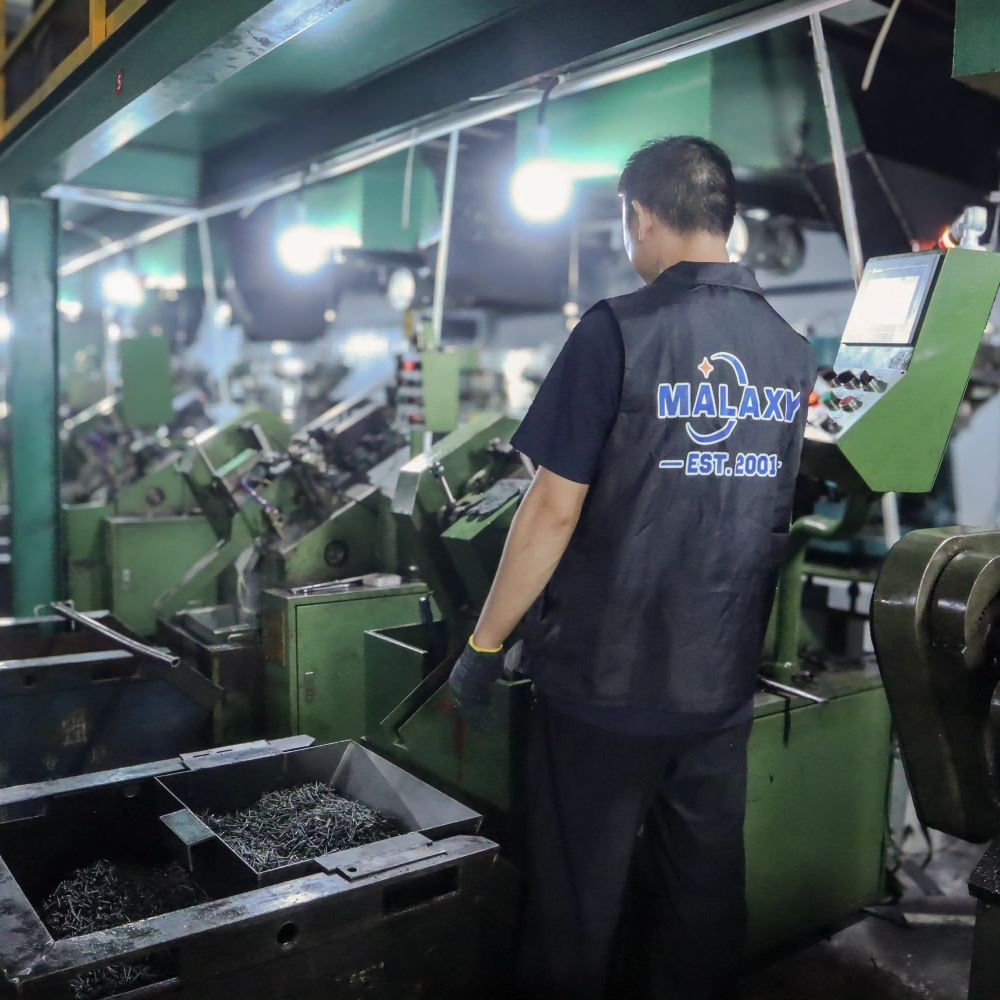
Inside MALAXY’s Fastener Factory in Haiyan, Zhejiang
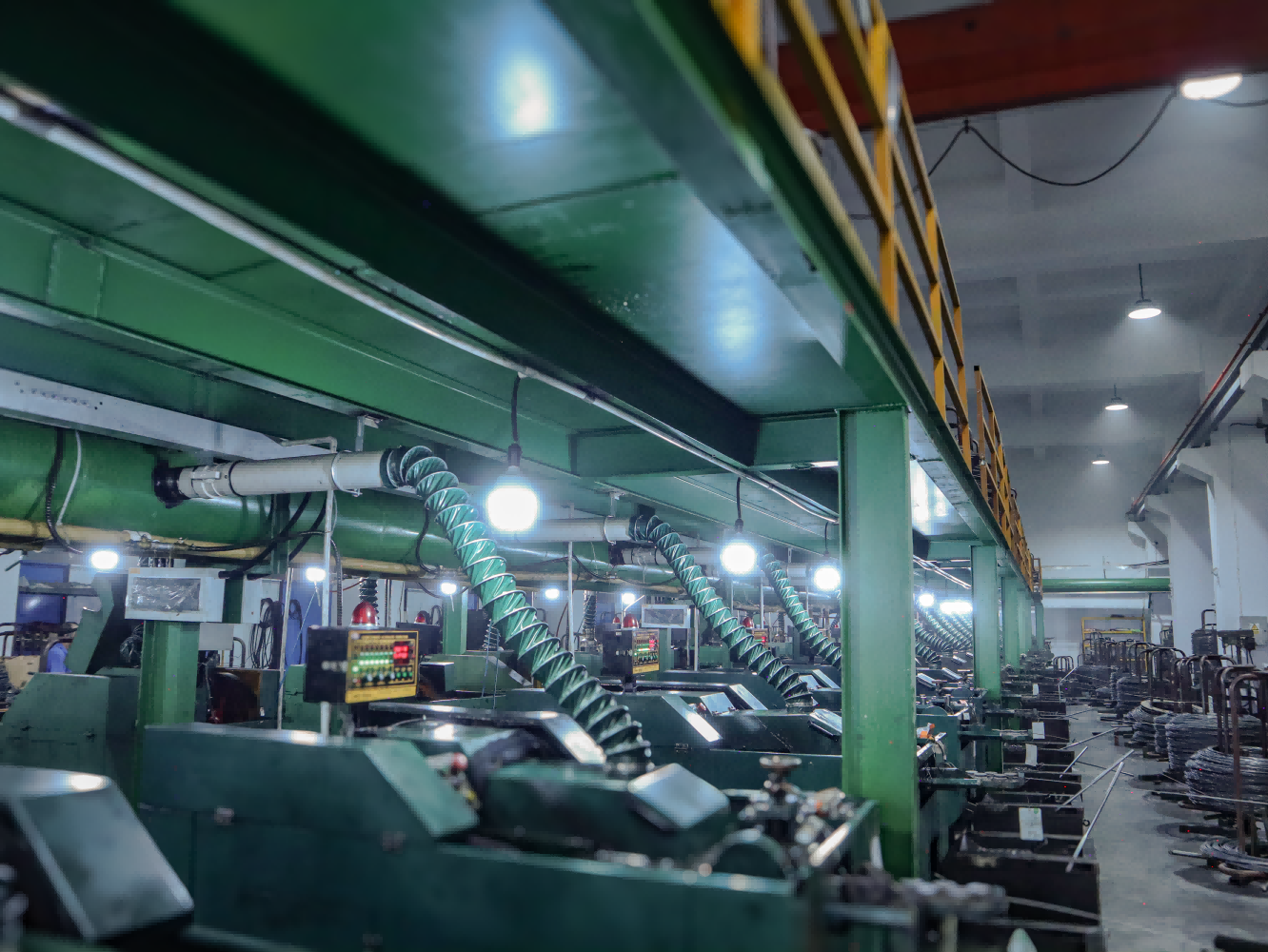
10 Important Factors to Consider When Buying Industrial Fasteners: A Complete Guide for Global Buyers
