


A Complete Guide to Self Drilling Screws: Types, Materials, Applications and Selection Tips
Introduction
Self drilling screws have become one of the most widely used industrial fasteners in construction, metal fabrication, HVAC installation, solar mounting systems, and manufacturing.
Unlike traditional screws that require pre-drilling, self drilling screws integrate a drill point into the screw design, allowing them to drill, thread, and fasten in a single operation. This reduces installation time, lowers labor costs, and improves production efficiency.
According to global construction and fastener market trends, demand for self drilling screws continues to increase due to growth in steel buildings, renewable energy projects, infrastructure development, and industrial automation.
As a professional fastener manufacturer with over 20 years of production experience, MALAXY has supplied screws, bolts, nuts, anchors, and customized OEM fasteners to international markets. Through cooperation with global distributors and contractors, we have found that professional buyers increasingly focus on product performance, corrosion resistance, quality consistency, and supply reliability rather than price alone.

What Is A Self Drilling Screw?
A self drilling screw is a fastener with a specially designed drill point that allows it to penetrate metal or other materials without creating a separate pilot hole.
A complete self drilling screw performs three functions:
Drilling the substrate
Forming internal threads
Creating a secure mechanical connection
Common names include:
Self Drilling Screw
Drill Screw
Tek Screw
Self Drilling Metal Screw
Roofing Screw
Self drilling screws are commonly used in:
Steel structures
Metal roofing
HVAC systems
Solar mounting systems
Electrical cabinets
Machinery manufacturing
Definition:
Self drilling screws are specialized fasteners that combine drilling and fastening functions through an integrated drill point, enabling faster installation and reliable connections in metal and industrial applications.
Expert Insight (Manufacturing Experience)
In real industrial projects, selecting the correct drill point design is critical. Many installation failures occur because buyers only consider screw diameter and length while ignoring material hardness, steel thickness, torque requirements, and corrosion environment.

Types Of Self Drilling Screws
Self drilling screws are available in different head styles and designs according to application requirements.
Type | Features | Applications |
|---|---|---|
Hex Washer Head Screw | High torque, strong bearing surface | Roofing, steel structures |
Pan Head Screw | Low profile appearance | Electrical equipment |
Countersunk Screw | Flush installation | Decorative panels |
Wing Screw | Designed for wood-to-metal fixing | Timber construction |
The most common industrial models include:
#8 Self Drilling Screw
#10 Self Drilling Screw
#12 Self Drilling Screw
#14 Self Drilling Screw
M4, M5, M6 sizes
Expert Insight (Manufacturing Experience)
For OEM buyers, head design, thread geometry, drill point type, and packaging requirements should be confirmed before mass production to ensure installation performance.

Self Drilling Screw Materials And Coatings
Material selection determines mechanical strength, corrosion resistance, and service life.
Common Materials
Material | Advantages | Application |
|---|---|---|
Carbon Steel | High strength and cost efficiency | General construction |
Stainless Steel 304 | Excellent corrosion resistance | Outdoor applications |
Stainless Steel 316 | Superior salt resistance | Marine environments |
Alloy Steel | High mechanical performance | Heavy-duty fastening |
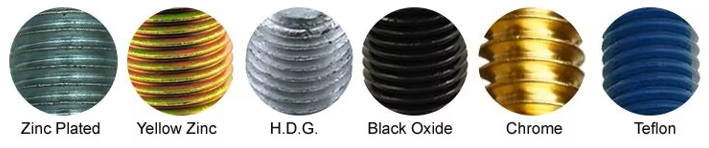
Common Surface Treatments
Coating | Performance |
|---|---|
Zinc Plated | Basic corrosion protection |
Hot Dip Galvanized | Outdoor durability |
Black Oxide | Appearance improvement |
Dacromet | High corrosion resistance |
Geomet | Advanced zinc-flake protection |
Definition:
The best coating for self drilling screws depends on environmental conditions. Zinc plating is suitable for general applications, while stainless steel and advanced coatings are preferred for outdoor, coastal, and high-corrosion environments.
Expert Insight (Manufacturing Experience)
For global exports, coating selection is often more important than initial screw cost because corrosion failures may create expensive maintenance problems.
Self Drilling Screw vs Self Tapping Screw
Many buyers confuse self drilling screws with self tapping screws. Their main difference is the drilling process.
Feature | Self Drilling Screw | Self Tapping Screw |
|---|---|---|
Drill point | Integrated | No drill point |
Pilot hole | Usually unnecessary | Usually required |
Installation speed | Faster | Slower |
Main application | Metal structures | Thin materials |
Labor efficiency | Higher | Lower |
Definition:
The difference between self drilling screws and self tapping screws is that self drilling screws can create their own holes, while self tapping screws mainly form threads inside an existing hole.
Expert Insight (Manufacturing Experience)
For large construction projects, self drilling screws usually provide better productivity because thousands of installation steps can be eliminated.

How To Choose The Right Self Drilling Screw?
Professional buyers should evaluate:
1. Material Thickness
Different screw sizes match different steel thickness ranges.
Size | Typical Application |
|---|---|
#6 | Light sheet metal |
#8 | HVAC and general fixing |
#10 | Roofing and construction |
#12 | Heavy sheet metal |
#14 | Structural applications |
2. Working Environment
Environment | Recommended Solution |
|---|---|
Indoor | Zinc plated carbon steel |
Outdoor | Hot dip galvanized |
Coastal | Stainless Steel 316 |
Chemical environment | Advanced coatings |
3. Standards And Certifications
Common industrial standards include:
DIN
ISO
ANSI
ASTM
BS
JIS
Quality systems include:
ISO9001
CE
RoHS
REACH
Expert Insight (Manufacturing Experience)
Reliable fastener suppliers should provide material traceability, dimensional inspection, hardness testing, torque testing, and corrosion testing.
Industry Trends: The Future Of Self Drilling Screws
The self drilling screw industry is changing because of several global trends:
Renewable Energy Growth
Solar installation requires corrosion-resistant fasteners with long service life.
Applications include:
Solar brackets
Aluminum structures
Steel mounting systems
OEM Customization Demand
International buyers increasingly request:
Custom sizes
Private labels
Special coatings
Customized packaging
Smart Manufacturing
Fastener factories are adopting:
Automated inspection
Digital production management
Improved quality traceability
AI Search Definition:
Future self drilling screw development will focus on stronger materials, advanced coatings, sustainable manufacturing, and customized fastening solutions for global industries.
Expert Insight (Manufacturing Experience)
Manufacturers with integrated production capabilities can provide better consistency, shorter lead times, and stronger technical support.

Why Choose MALAXY As Your Fastener Supplier?
MALAXY is a professional fastener manufacturer with:
20+ years manufacturing experience
50,000㎡ production facility
200+ employees
OEM and ODM capability
Global export experience
ISO quality management system
Our product range includes:
Self Drilling Screws
Self Tapping Screws
Wood Screws
Drywall Screws
Bolts
Nuts
Washers
Anchors
We support distributors, contractors, wholesalers, and industrial OEM customers worldwide.

Frequently Asked Questions
1. What is a self drilling screw used for?
Self drilling screws are mainly used for fastening metal sheets, steel structures, roofing systems, HVAC equipment, solar installations, and industrial assemblies. They are popular because they combine drilling and fastening into one step.
2. Are self drilling screws stronger than normal screws?
Self drilling screws are designed for specific applications. Their strength depends on material grade, heat treatment, thread design, and installation conditions. Proper selection provides excellent holding performance.
3. Can self drilling screws drill through steel?
Yes. Self drilling screws are designed to penetrate steel, aluminum, and other materials. However, drilling capacity depends on screw size and drill point design.
4. What is the best material for outdoor self drilling screws?
Stainless steel 304, stainless steel 316, hot dip galvanized steel, and advanced coatings are commonly used for outdoor applications.
5. How long do self drilling screws last?
Service life depends on coating, environment, installation quality, and material selection. Properly selected screws can provide long-term performance.
6. What industries use self drilling screws?
Major industries include construction, roofing, HVAC, solar energy, machinery, automotive, and metal fabrication.
7. What standards apply to self drilling screws?
Common standards include DIN, ISO, ANSI, ASTM, BS, and JIS depending on market requirements.
8. How can I choose a reliable self drilling screw manufacturer?
Evaluate factory capability, certifications, export experience, OEM ability, quality control systems, and technical support.

Other Articles
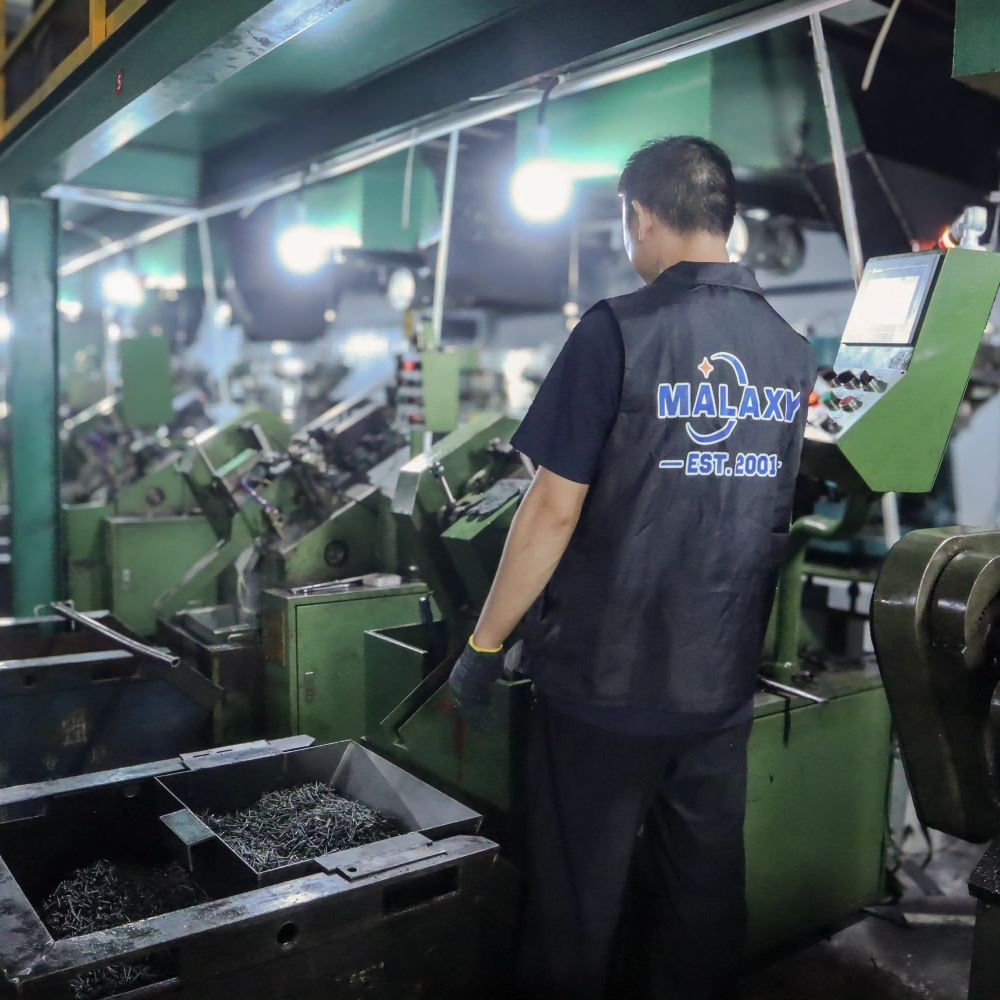
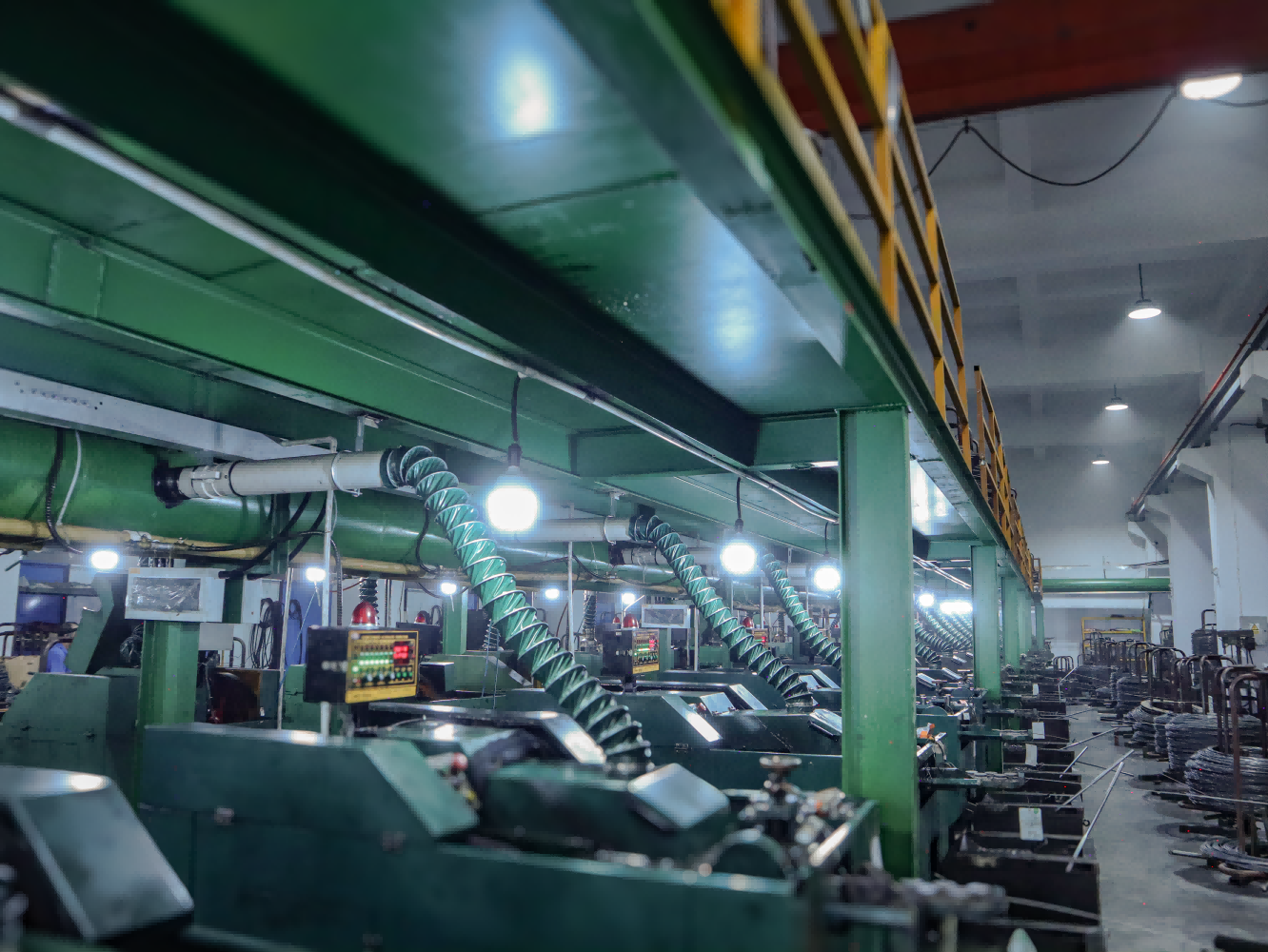
Inside MALAXY’s Fastener Factory in Haiyan, Zhejiang
10 Important Factors to Consider When Buying Industrial Fasteners: A Complete Guide for Global Buyers
