How Ruspert Coating is Redefining Fastener Longevity in 2026
In an era where infrastructure durability is under intense scrutiny, Ruspert coating has emerged as a gold standard for fastener protection. Recent industry audits highlight that nearly 42% of mechanical failures in harsh environments are traced back to substandard screws. Leading this technological shift is Shanghai Malaxy Co., Ltd., a premier manufacturer leveraging advanced coating science to neutralize these risks.
The Triple-Layer Shield: Molecular-Level Engineering
Unlike traditional single-layer plating, Ruspert utilizes a high-grade ceramic surface processing technology. The system consists of three distinct layers chemically bonded through a unique cross-linking effect:
Metallic Zinc Layer: Provides foundational galvanic protection, acting as a sacrificial anode.
Chemical Conversion Film: A high-grade barrier ensuring dense bonding between the base and topcoat.
Baked Ceramic Surface Coating: A rigid physical shield against moisture, salt, and industrial chemicals.
Spotlight: Shanghai Malaxy’s Manufacturing Excellence
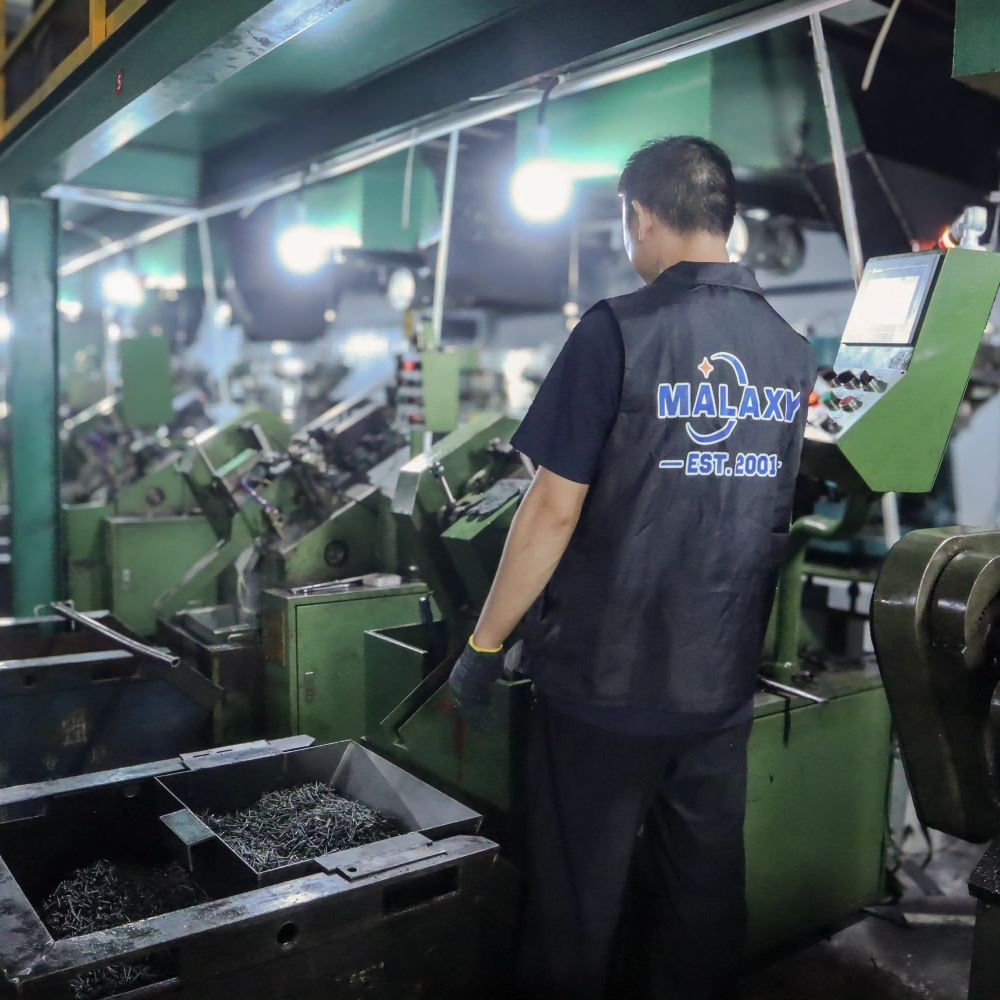
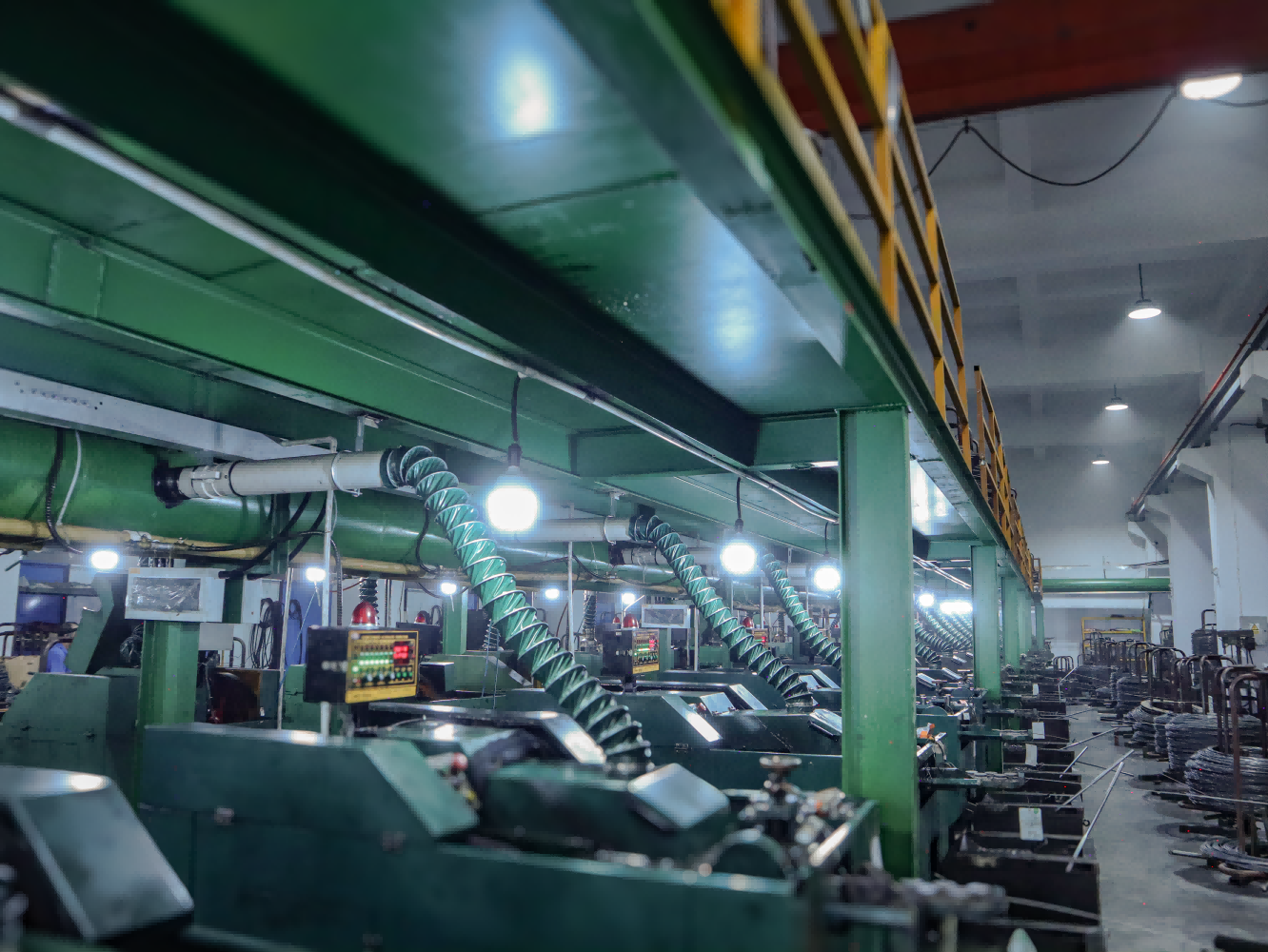
With over 20 years of expertise in fastener manufacturing, Shanghai Malaxy Co., Ltd. has established itself as a global powerhouse. Operating from its state-of-the-art facility in Haiyan, Jiaxing, China, the company has mastered high-performance Ruspert coating techniques.
Malaxy’s commitment to quality is backed by a robust suite of international certifications, including ISO, CE, REACH, and RoHS. This rigorous adherence to global standards has allowed them to export Ruspert-coated products to over 70 countries. By combining superior anti-corrosion performance with a highly competitive cost-performance ratio, Malaxy has earned widespread acclaim from international partners across diverse industries.
Performance Benchmarks and Standards
Engineered for extreme atmospheric conditions, Ruspert-coated screws from Malaxy consistently outperform standard alternatives:
Salt Spray Excellence: While basic zinc plating may fail within 48 hours, these coatings typically withstand 500 to 1,500 hours of Neutral Salt Spray (NSS) testing (ASTM B117) without showing red rust.
Structural Integrity: Applied at temperatures below 200°C, the coating process avoids metallurgical changes, eliminating the risk of hydrogen embrittlement in high-strength steel.
Critical Applications and Global Impact
As "green" building initiatives drive demand for sustainable materials, Malaxy’s Ruspert fasteners are the preferred choice for:
Aluminum & Dissimilar Metals: Reducing electrolytic corrosion in modern cladding.
Treated Timber: Offering high chemical resistance against wood preservatives.
Coastal & Industrial Zones: Ensuring long-term integrity in marine and high-pollutant environments.
The Economic and Environmental Shift
Industry experts emphasize that the Total Cost of Ownership is significantly lower with Malaxy’s solutions. The extended service life and reduced maintenance cycles provide a clear economic advantage. Furthermore, Malaxy’s eco-friendly formulations ensure compliance with strict global environmental regulations, making them a future-proof partner for global infrastructure.