


Zinc Plating, Dacromet, Phosphating… What Are the Differences Between Common Surface Treatment Processes?
In the fastener industry, products like bolts, nuts, and washers may seem simple, but their performance and service life often depend on an invisible layer – the surface treatment. In humid, salt spray, acidic, or high‑temperature environments, the right surface treatment prevents corrosion, reduces friction, avoids hydrogen embrittlement, and improves assembly quality.
So what are the real differences between zinc plating, Dacromet, and phosphating? And how do you choose the best option for your application?
1. Zinc Plating (Electrogalvanizing) – The Economical Entry‑Level Protection
Zinc plating is the most traditional and widely used surface treatment for fasteners. It deposits a layer of zinc on the steel surface by passing an electric current through a zinc salt solution.
Corrosion mechanism: Zinc acts as a sacrificial anode, corroding before the steel base, while also forming a dense oxide film.
Advantages: Low cost, bright appearance (blue‑white, yellow zinc, etc.), suitable for mass production.
Disadvantages: Relatively short salt spray resistance (typically 72–200 hours); potential hydrogen embrittlement (high‑strength fasteners require baking).
Typical applications: Dry indoor environments, general industry, home appliances, ordinary hardware.
2. Dacromet (Zinc‑Aluminum Flake Coating) – High Corrosion Resistance & No Hydrogen Embrittlement
Dacromet is a water‑based, chromium‑free zinc‑aluminum flake coating. It is applied by dip‑spin or spraying, then cured at high temperature to form a silver‑grey coating.
Corrosion mechanism: Lamellar zinc and aluminum flakes overlap and combine with passivation, providing both barrier and cathodic protection.
Advantages: Excellent salt spray resistance (500–1500+ hours), no hydrogen embrittlement (no acid pickling), heat resistant (up to 300°C).
Disadvantages: Higher cost, lower surface hardness (easily scratched), poor electrical conductivity (not suitable for grounding parts).
Typical applications: Automotive chassis, wind power, marine engineering, outdoor high‑strength fasteners.
3. Phosphating – The Helper for Adhesion and Lubrication
Phosphating involves immersing fasteners in a phosphate solution to form a water‑insoluble phosphate conversion film.
Corrosion mechanism: The phosphate film itself offers limited corrosion resistance, but its porous structure can absorb rust‑preventive oil or lubricating oil.
Advantages: Improves coating adhesion (as a primer base), reduces friction (good for tightening torque control), low cost.
Disadvantages: Poor corrosion resistance when used alone (only 1–2 hours salt spray); requires oil or paint.
Typical applications: Engine interiors, bolts requiring torque control, pre‑treatment before painting.
Quick Comparison Table
| Process | Salt Spray (bare film) | Hydrogen Embrittlement | Cost | Typical Appearance |
|---|---|---|---|---|
| Zinc plating | Medium (~200h) | Possible (needs baking) | Low | Bright metallic |
| Dacromet | High (500h+) | None | Medium‑High | Matt silver‑grey |
| Phosphating | Low (needs oil) | None | Low | Dark grey or black |
How to Choose the Right Process for Your Fasteners?
There is no “best” treatment – only the most suitable one for your application. You need to consider: the salt spray requirement of the service environment, whether you use high‑strength bolts (grades 10.9 and above are usually better without zinc plating), whether friction coefficient needs to be controlled, and your budget.
How MALAXY Helps You Make the Right Choice
As a manufacturer with over 20 years of experience in the fastener and mechanical equipment industry, MALAXY is committed to providing not just products, but complete solutions.
Our first factory – Zhejiang Malaxy Hardware Factory – was established in 2001. To better serve global customers, we set up our export branch office, Shanghai Malaxy Industry Co., Ltd., in 2006. Today, MALAXY has become a leading manufacturer in the fastener and mechanical equipment industry, with a complete product structure. We have long been committed to the R&D, production, and sales of bolts, nuts, screws, washers and jacks, achieving continuous business and technological innovation.
We listen to the requirements of our partners around the world. Whether you need cost‑effective zinc plating, highly corrosion‑resistant Dacromet, or phosphating for precision assembly, MALAXY delivers fasteners with the corresponding process quality. We are certified to TS 16949, ISO 9001, and ISO 14001, ensuring stable quality and environmental compliance for every batch of surface treatment.
Today, MALAXY products are exported to more than 70 countries, including the USA, Germany, Peru, and others, achieving sustained high‑quality growth. We strive to become a world‑class manufacturer in the industry – not only because we offer a wide range of process options, but because we understand how to recommend truly durable and safe surface treatment solutions based on your actual working conditions.
Choose the right surface treatment, and your fasteners will stay in place. Contact MALAXY – let us provide reliable connections for your next project.
Other Articles
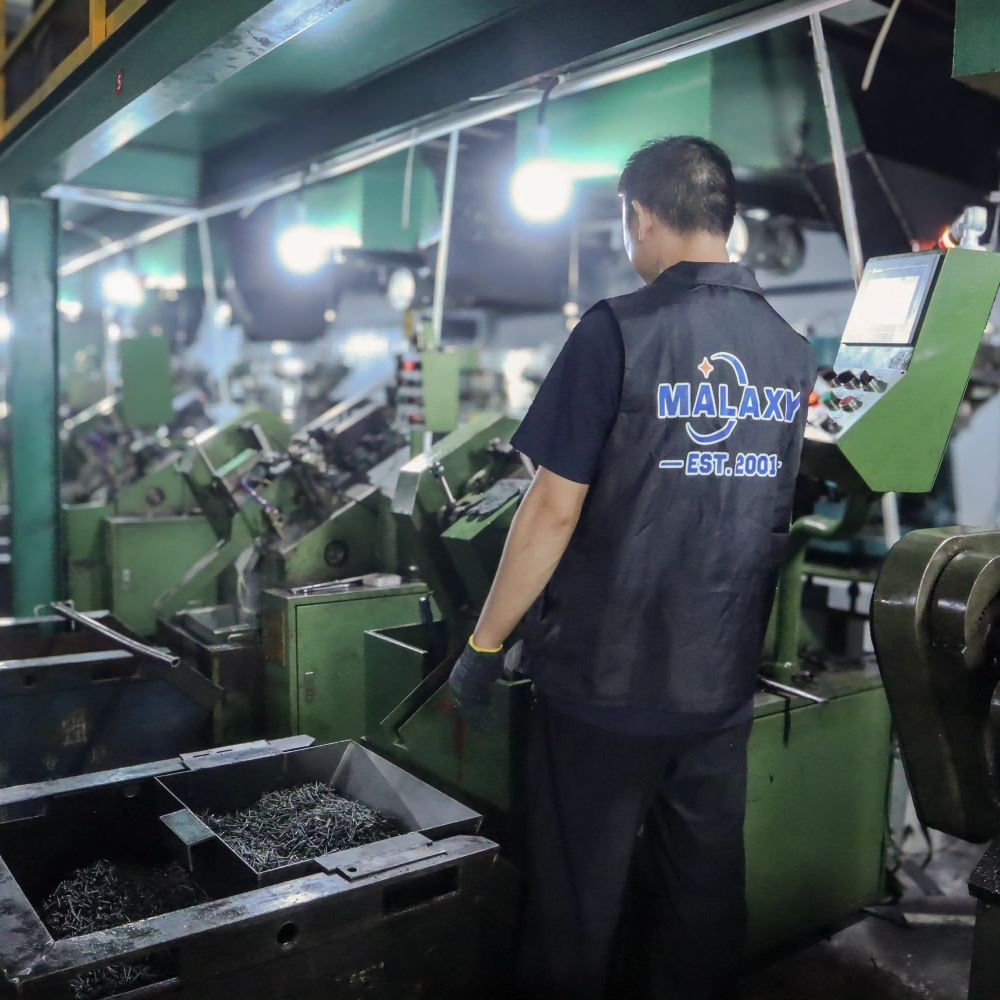
Inside MALAXY’s Fastener Factory in Haiyan, Zhejiang
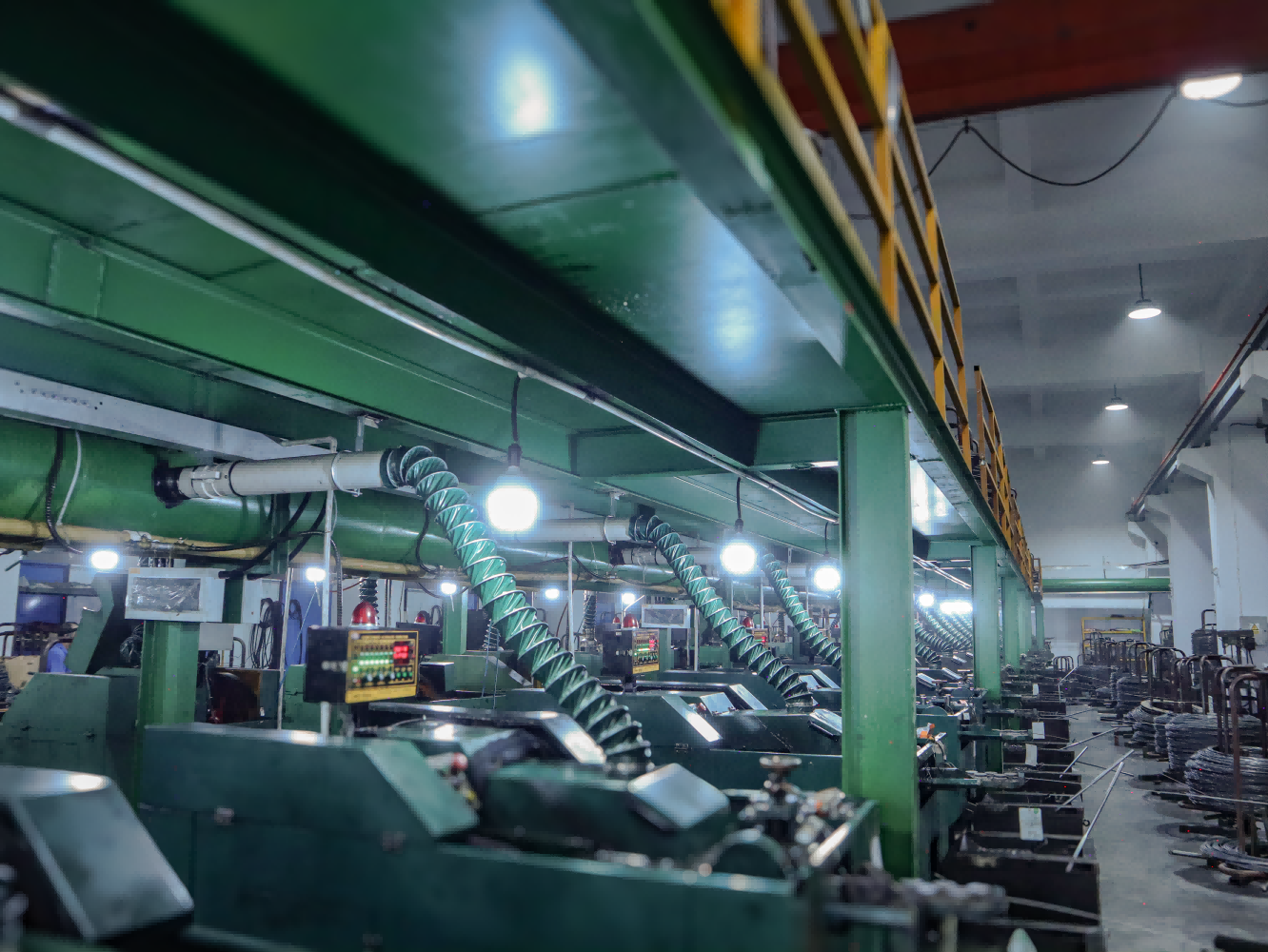
10 Important Factors to Consider When Buying Industrial Fasteners: A Complete Guide for Global Buyers
