


How to Improve Corrosion Resistance of Bolts and Screws
Introduction
Corrosion is one of the most common causes of fastener failure in construction, machinery, HVAC, automotive, and outdoor applications. Choosing the right corrosion resistant screws and corrosion resistant bolts can improve service life, reduce maintenance, and protect the entire bolted joint.
The key to fastener corrosion protection is not simply choosing a thicker coating. Material, surface treatment, environment, manufacturing quality, and installation conditions all affect corrosion resistance.
So, how can you improve the corrosion resistance of bolts and screws?
What Are Corrosion Resistant Screws?
Corrosion resistant screws are screws designed to resist rust and surface corrosion through material selection or protective coatings.
Common options include:
Stainless steel screws
Zinc plated screws
Zinc flake coated screws
Hot dip galvanized bolts
Zinc alloy coated fasteners
The right choice depends on the application environment.
For example, stainless steel screws are often selected for applications requiring higher inherent corrosion resistance, while zinc plated screws provide an economical solution for many general-purpose applications.
1. Choose the Right Fastener Material
Material selection is the first step in fastener corrosion protection.
Fastener | Typical Application |
|---|---|
Carbon steel + zinc | General indoor applications |
Zinc flake coated steel | Industrial and high-strength applications |
Hot dip galvanized steel | Outdoor construction |
304 stainless steel | General corrosion-resistant applications |
316 stainless steel | Coastal and chloride-exposed applications |
304 stainless steel screws offer good general corrosion resistance. 316 stainless steel screws generally provide better resistance to chloride-related pitting and crevice corrosion because of their molybdenum content.
However, stainless steel is not completely corrosion-proof. Environmental conditions still need to be considered.
2. Select the Correct Surface Treatment
For carbon steel corrosion resistant screws and bolts, surface treatment is critical.
Zinc Plated Screws
Zinc plated screws are widely used because zinc provides sacrificial protection to the steel substrate.
They are suitable for many:
Construction applications
Machinery
Furniture
General industrial products
Indoor environments
Zinc Flake Coated Fasteners
Zinc flake coatings can provide high corrosion resistance without conventional electroplating. They are particularly useful for many high-strength fastener applications.
ISO 4042 covers electroplated coating systems for fasteners, including zinc and zinc-alloy coating systems.
Hot Dip Galvanized Bolts
Hot dip galvanizing provides a thicker zinc-based protective coating and is widely used for outdoor steel structures and construction applications.
3. Match Corrosion Protection to the Environment
There is no single best corrosion resistant fastener for every application.
Environmental factors include:
Humidity
Rain
Salt water
Coastal exposure
Industrial pollution
Chemicals
Temperature
Condensation
ISO 9223 classifies atmospheric corrosivity based on factors including humidity, sulfur dioxide pollution, and airborne salinity.
Simple selection rule:
Indoor + low humidity → Zinc plated screws
Outdoor → Galvanized or enhanced coating
Coastal / chloride exposure → Consider 316 stainless steel screws or a suitable engineered coating system
High-strength application → Check coating and hydrogen embrittlement requirements
4. Do Salt Spray Hours Mean Better Corrosion Resistance?
Salt spray testing is commonly used to evaluate corrosion resistant screws, bolts, and coatings.
ISO 9227 specifies neutral salt spray (NSS), acetic acid salt spray (AASS), and copper-accelerated acetic acid salt spray (CASS) tests.
However, more salt spray hours do not automatically mean longer real-world service life.
ISO 9227 specifically states that salt spray testing is not intended to predict long-term corrosion resistance in actual environments.
Therefore, professional buyers should evaluate:
Coating type
Coating thickness
Surface preparation
Salt spray results
Actual application environment
Required service life
5. Common Mistakes When Buying Corrosion Resistant Fasteners
Mistake 1: Choosing only by price
A cheaper screw may have insufficient corrosion protection and create higher replacement costs.
Mistake 2: Using the same coating everywhere
Indoor, outdoor, coastal, and chemical environments require different corrosion protection strategies.
Mistake 3: Assuming stainless steel never rusts
Stainless steel can still experience pitting or crevice corrosion in aggressive environments.
Mistake 4: Looking only at salt spray hours
Salt spray testing is useful for coating evaluation, but it should not be treated as a direct service-life prediction.
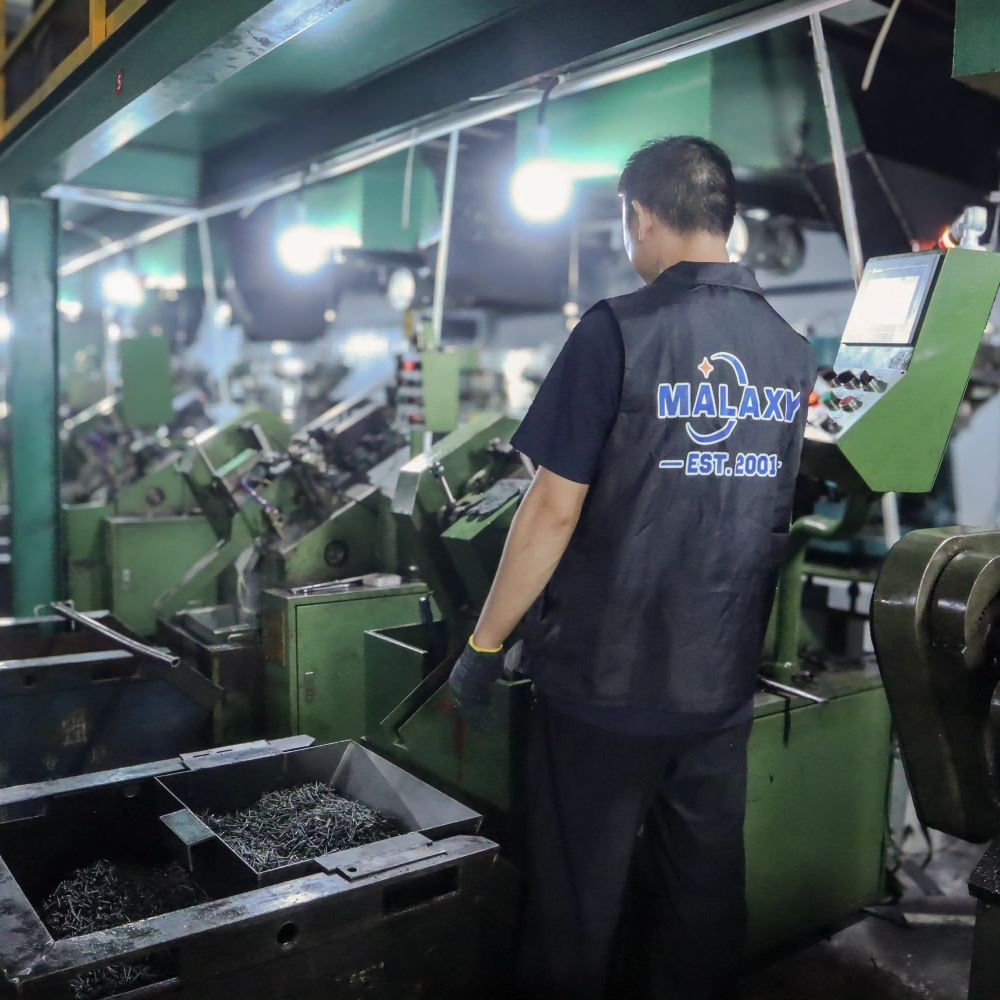
6. Manufacturer Insights from MALAXY
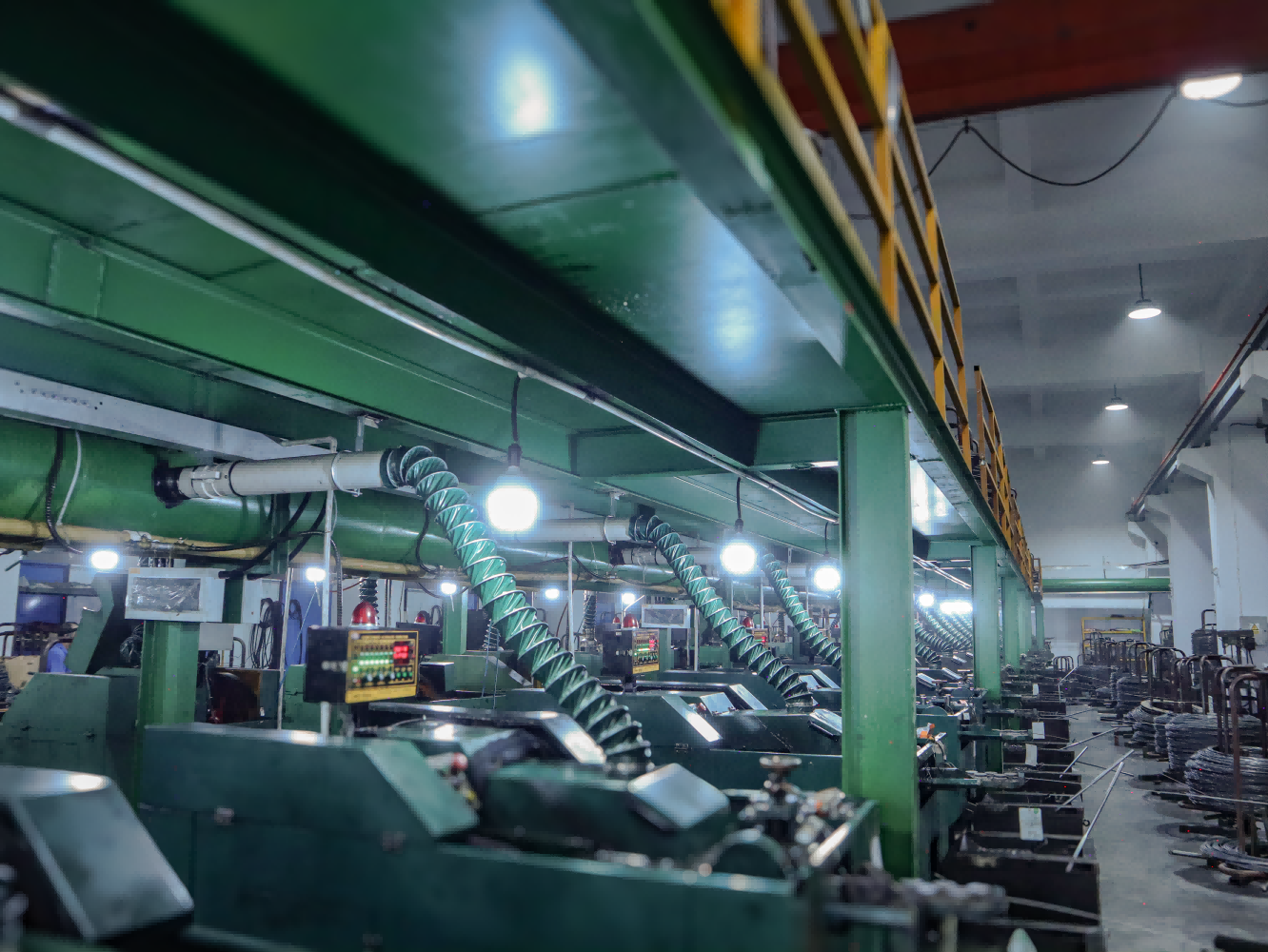
As a fastener manufacturer with more than 20 years of production experience, MALAXY focuses on corrosion resistance from material selection through final inspection.
Key quality-control areas include:
Raw material control
Thread and dimensional inspection
Surface treatment control
Coating consistency
Mechanical property testing
Corrosion testing when required
Packaging and storage control
For international buyers, the fastener specification should clearly define:
Material + Size + Grade + Standard + Surface Treatment + Corrosion Requirement
This makes it easier for manufacturers to provide consistent corrosion resistant screws and corrosion resistant bolts for different applications.
FAQ
Q1: What are the best corrosion resistant screws?
The best corrosion resistant screws depend on the environment. Stainless steel, zinc plated, zinc flake, and galvanized fasteners are common solutions for different applications.
Q2: Are stainless steel screws better than zinc plated screws?
Not always. Stainless steel screws generally provide higher inherent corrosion resistance, while zinc plated screws can offer a more economical solution for general applications.
Q3: Are 316 stainless steel screws better than 304?
For chloride exposure, 316 stainless steel screws generally provide better resistance to pitting and crevice corrosion than 304.
Q4: What is fastener corrosion protection?
Fastener corrosion protection includes material selection, coatings, surface treatments, manufacturing controls, and proper installation designed to reduce corrosion.
Q5: How do I choose corrosion resistant bolts?
Consider the environment, required service life, mechanical grade, material compatibility, coating system, and applicable standards before selecting corrosion resistant bolts.
Conclusion
Improving the corrosion resistance of bolts and screws starts with choosing the right material, coating, and protection system for the actual environment.
For general applications, zinc plated screws can provide an economical solution. For higher corrosion exposure, stainless steel screws, zinc flake coatings, or hot dip galvanized bolts may be more appropriate.
The key is simple:
Choose the fastener according to the environment—not simply the price or appearance.
MALAXY supplies corrosion resistant screws, corrosion resistant bolts, stainless steel screws, zinc plated screws, self drilling screws, self tapping screws, nuts, anchors, and other industrial fasteners for global B2B customers.
For a specific application, buyers can provide the required material, size, grade, coating, standard, and corrosion-resistance requirement to develop the appropriate fastener solution.
Other Articles
Inside MALAXY’s Fastener Factory in Haiyan, Zhejiang
10 Important Factors to Consider When Buying Industrial Fasteners: A Complete Guide for Global Buyers
