Hanger Bolts – Headless Dual-Threaded Fasteners for Wood-to-Metal Applications
Hanger bolts (also known as dowel screws or stud bolts) are specialized headless fasteners engineered for secure wood-to-metal connections. Unlike conventional bolts that require nuts on both ends, hanger bolts feature a lag/wood screw thread on one end and a machine screw (unified) thread on the other, enabling permanent anchoring into wood while providing a threaded stud for attaching metal hardware, fixtures, or nuts.
This dual-thread design eliminates the need for separate anchors or pre-tapped holes in wood, making hanger bolts the go-to solution for furniture manufacturing, construction framing, overhead hanging systems, and industrial equipment mounting.
Key Specifications
Parameter | Details |
|---|
Type | Headless hanger bolts / dowel screws |
Thread Configuration | Wood/lag thread (one end) + Machine thread (UNC/UNF or metric) (other end) |
Material Options | Carbon steel (low carbon / AISI 1008 & 1010), Stainless steel (304 / 316 / A2), Alloy steel |
Finishes | Zinc plated, plain, hot-dip galvanized, black oxide, nickel/chrome |
Imperial Sizes | #6-32 to 1/2-13, lengths from 5/8" to 12" |
Metric Sizes | M4, M6, M8, M10, M12, various lengths |
Drive Types | Hex drive, Torx, square drive, double-nut method |
Standards | ANSI/ASME B18.12 (U.S.), DIN 693 (German/EU), ISO 1478 |
Materials & Finishes
Hanger bolts are available in multiple material and finish combinations to suit different environmental conditions and performance requirements:
Carbon Steel – Economical and strong, suitable for indoor furniture and general construction. Often paired with zinc plating for moderate corrosion protection.
Stainless Steel (304 / 316 / A2) – Excellent corrosion resistance for outdoor, marine, food service, and high-moisture applications. 304 stainless is standard for most outdoor uses; 316 offers enhanced resistance for marine environments.
Zinc-Plated Steel – Provides moderate rust protection for indoor and light outdoor use. One of the most common and cost-effective finishes.
Hot-Dip Galvanized – Thick zinc coating for superior outdoor protection on decks, fences, and playground equipment.
Brass – Decorative and corrosion-resistant, ideal for architectural and aesthetic applications.
Key Features & Advantages
1. Dual-Function Design
Wood thread end – Coarse, self-tapping threads bite deeply into wood, providing superior pull-out resistance. Requires only a pre-drilled pilot hole for installation.
Machine thread end – Standard UNC/UNF or metric threads accept nuts, washers, and tapped metal parts, enabling adjustable tension and easy disassembly. Allows use of locknuts (e.g., Nyloc) to prevent loosening from vibration.
2. Permanent Wood Anchoring
The wood screw end provides a secure hold that won’t back out over time, unlike traditional bolts or screws in wood applications.
3. Headless, Concealed Installation
The absence of a bolt head creates a clean, professional finish in furniture and cabinetry, with no visible fastener head protruding from the surface.
4. Vibration Resistance
When secured with a nut on the machine thread end, hanger bolts withstand dynamic loads, making them ideal for machinery, playground equipment, and other vibration-prone applications.
5. Load Distribution
The wood thread distributes stress over a larger area than standard screws, reducing the risk of wood splitting and providing higher load capacity.
6. Cost & Time Efficiency
Eliminates the need for separate anchors or pre-tapped holes in wood, reducing installation time and hardware costs compared to traditional bolting methods.
Applications
Hanger bolts are versatile fasteners used across multiple industries:
Industry | Specific Applications |
|---|
Furniture Manufacturing | Attaching wooden legs to metal frames; table, chair, and cabinet assembly; modular furniture connection |
Construction & Carpentry | Securing wooden beams to steel supports; deck railing and post fastening; staircase assembly (wooden treads to metal stringers) |
Overhead Hanging Systems | Suspending electrical wiring, sheet metal, lighting fixtures, and signage from wooden ceilings or beams |
Industrial Equipment | Mounting machines with wooden bases; tool stands; conveyor system guides |
Outdoor Structures | Wooden deck board attachment; outdoor furniture assembly; playground equipment |
DIY & Home Improvement | Garage storage systems; shelving mounting; home workshop projects |
Installation Methods
Three common methods for installing hanger bolts:
Double-Nut Method – Thread two nuts onto the machine end, tighten them against each other, then use a wrench on the inner nut to drive the wood thread into the pre-drilled pilot hole. Once installed, loosen and remove the nuts.
Wrench/Grip Method – Grip the smooth midsection with pliers or a wrench and rotate to drive the wood end into the wood.
Specialty Drive Method – For hex or Torx drive variants, use a power tool with the appropriate bit for faster installation.
Installation Tip: Always pre-drill a pilot hole before inserting the wood thread end. Recommended pilot hole size depends on wood density and hanger bolt diameter (e.g., 5/16"-18 hanger bolts typically require a 9/32" to 19/64" pre-drill).
Quality Assurance
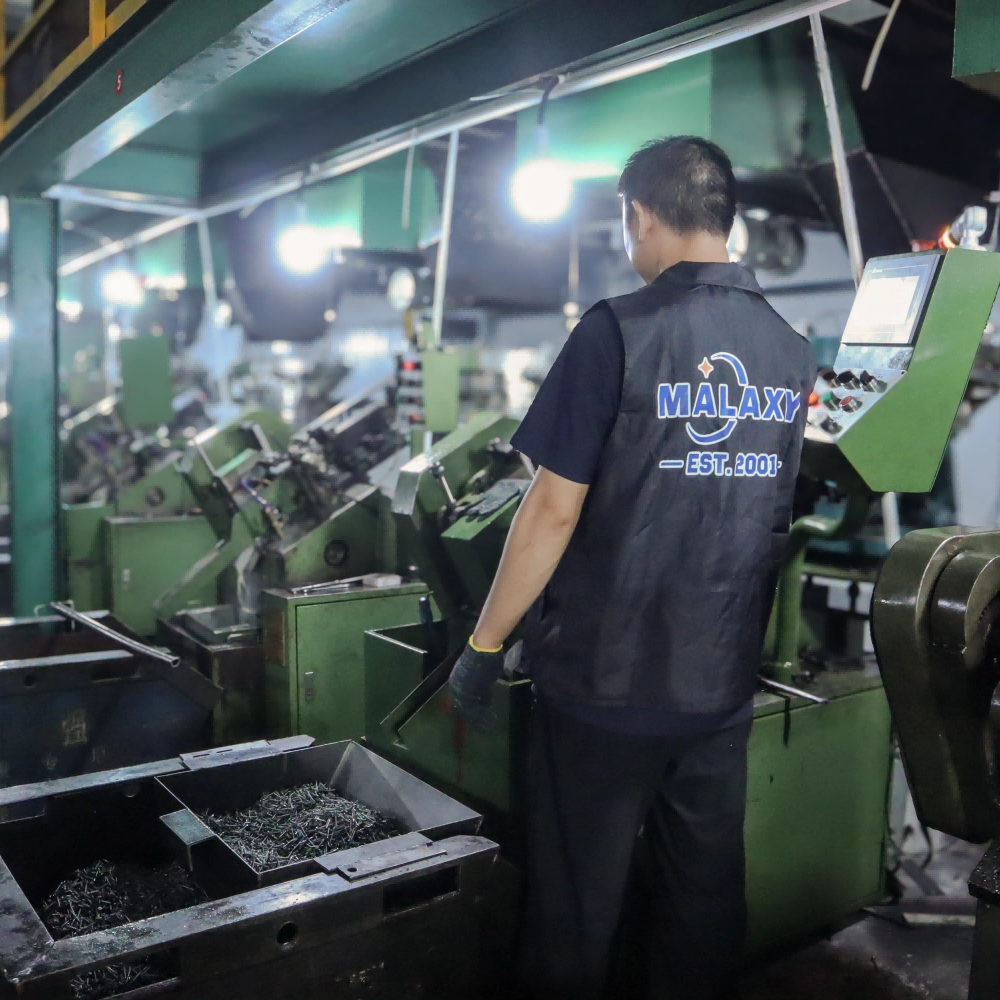
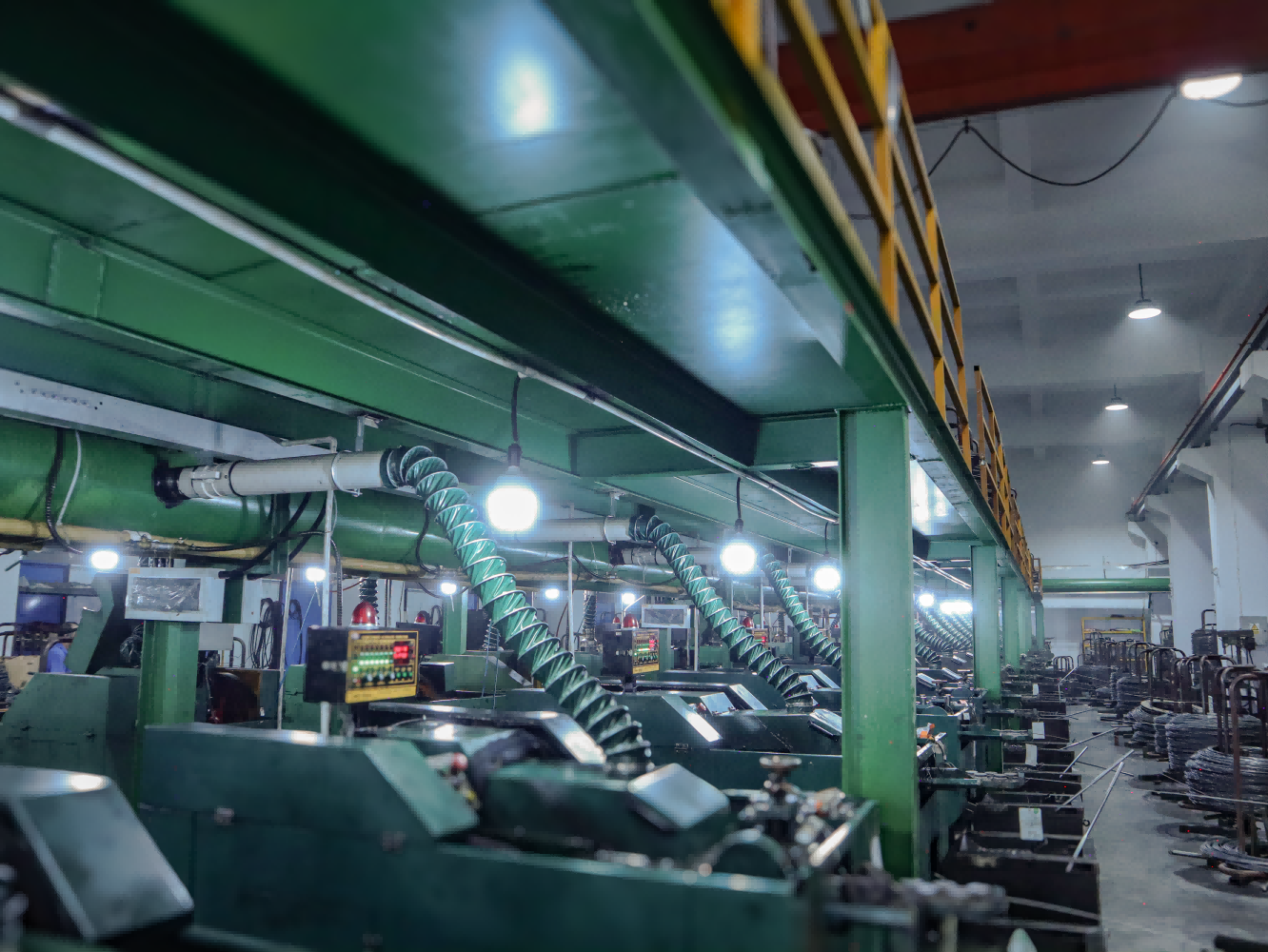
Our hanger bolts are manufactured under strict quality control systems with ISO 9001:2015 certification. Each batch undergoes dimensional inspection, thread gauge testing, and material verification to ensure consistency and reliability.
Customization options available (ODM/OEM):
Custom thread sizes and lengths
Special materials (brass, alloy steel, etc.)
Custom finishes (black oxide, nickel, chrome, HDG)
Logo, barcode, and serial number marking