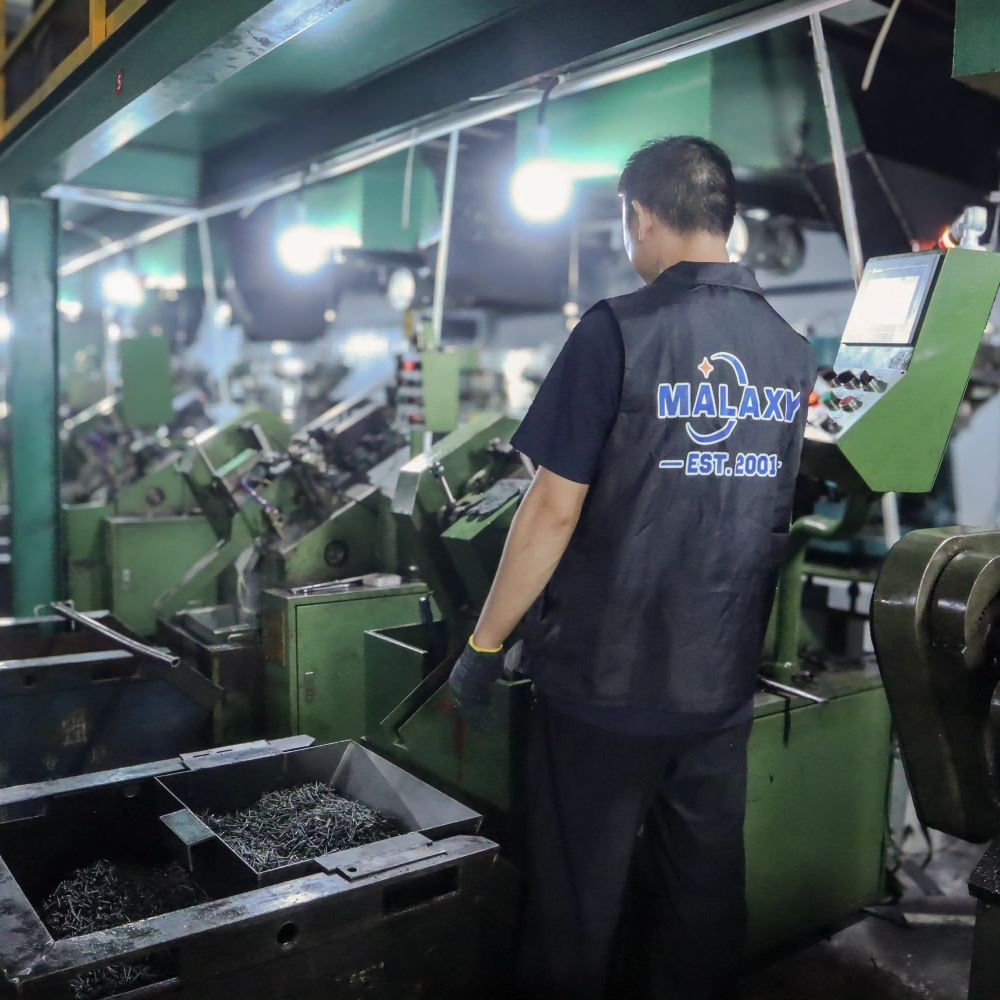
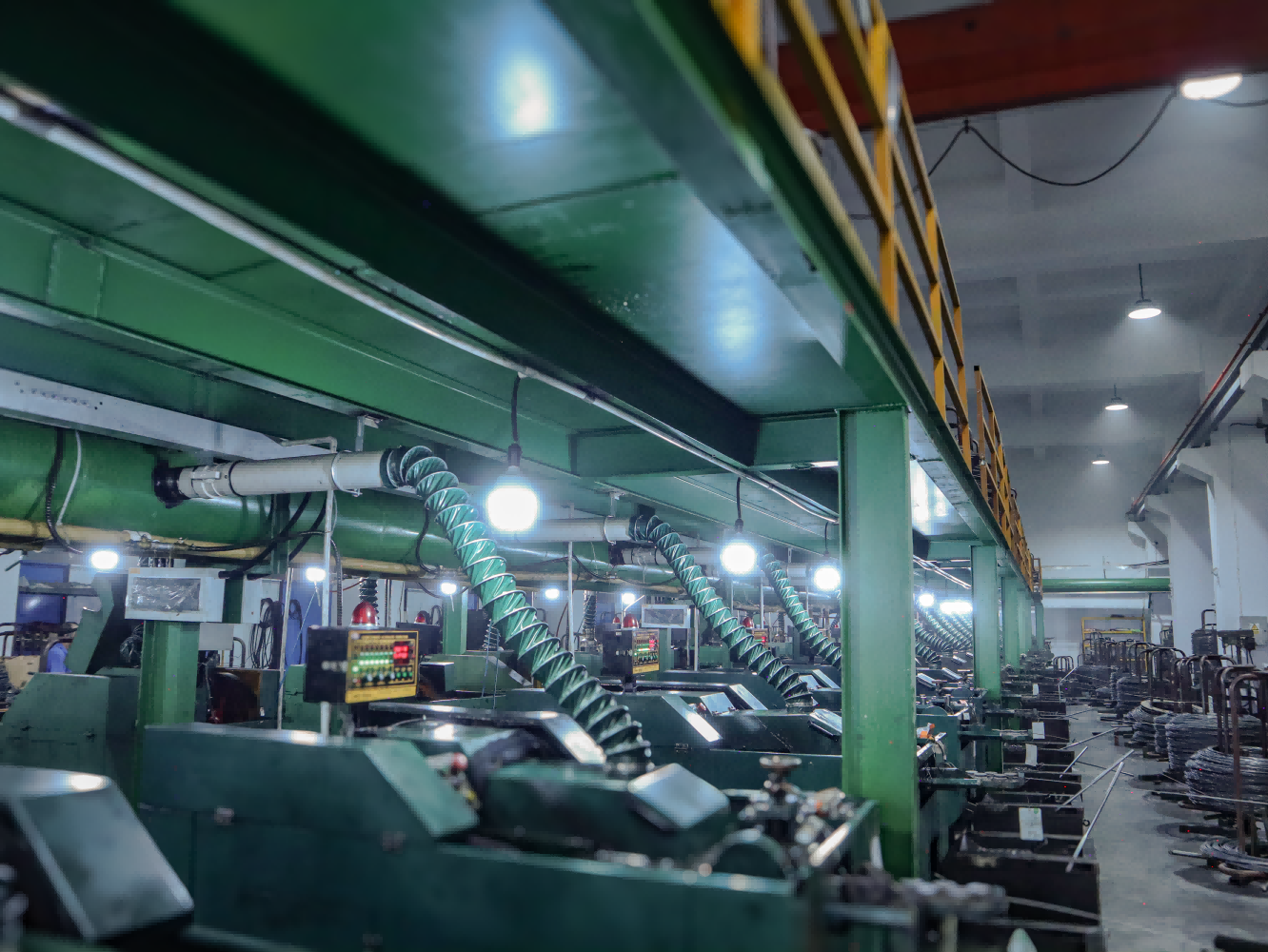
MALAXY, a leading fastener manufacturer headquartered in Shanghai, supplies premium hex socket head cap screws (also known as Allen bolts, socket head cap screws, or hex socket screws) designed for high-torque applications in confined spaces. Featuring a cylindrical head with an internal hexagonal socket drive, these screws provide superior torque transmission, secure fastening, and a clean, flush finish ideal for precision assemblies.
Standards & Compliance
MALAXY hex socket head cap screws are manufactured in strict compliance with major international standards to ensure global compatibility:
DIN 912 – German standard (widest global adoption)
ISO 4762 – International standard (replacing DIN 912)
ASTM A574 – US standard for alloy steel socket head cap screws
ASME B18.3 – American National Standard for socket head cap screws
JIS B1176 – Japanese Industrial Standard
All products undergo rigorous quality control to meet dimensional tolerances and mechanical performance requirements specified by these standards.
Material Grades & Mechanical Properties
Grade | Material | Tensile Strength | Hardness | Typical Applications |
|---|
8.8 | Medium Carbon Steel | 800 MPa (min) | 22–32 HRC | General machinery, construction |
10.9 | Alloy Steel | 1,040 MPa (min) | 32–39 HRC | Automotive, heavy equipment |
12.9 | Alloy Steel | 1,220–1,760 MPa | 39–44 HRC | Aerospace, ultra-high strength assemblies |
A2 (304) | Stainless Steel | 500–700 MPa | — | Marine, food processing, corrosion resistance |
A4 (316) | Stainless Steel | 500–700 MPa | — | Chemical, offshore, extreme corrosion environments |
Grade 12.9 alloy steel achieves tensile strengths exceeding 1,200 MPa, making these screws ideal for heavy-duty industrial applications requiring maximum load-bearing capacity.
Key Features
Internal Hex Drive – Allows high torque transmission with minimal cam-out risk; tightened using standard Allen wrenches or hex keys.
Space-Saving Design – Cylindrical low-profile head enables flush installation in confined spaces where external hex bolts cannot fit.
Superior Strength – Alloy steel options deliver exceptional tensile and shear strength for demanding mechanical applications.
Versatile Material Options – Available in carbon steel, alloy steel, stainless steel 304/316, and specialized alloys.
Thread Configurations – Full thread or partial thread options, metric coarse/fine pitch, and UNC/UNF inch threads.
Multiple Surface Finishes – Plain, black oxide, zinc plated, hot-dip galvanized (HDG), zinc-nickel, and customized coatings for enhanced corrosion protection.
Applications
Hex socket head cap screws are widely used across multiple industries:
Industry | Specific Applications |
|---|
Automotive | Engines, transmissions, suspension systems, chassis components |
Aerospace | Aircraft structural assemblies, CFRP panel fastening |
Industrial Machinery | Machine tools, heavy equipment, die and fixture fastening |
Robotics | Precision joints, servo motor assemblies, automation systems |
Electronics | PCB mounting, component securing in tight spaces |
Medical Equipment | Surgical robotics, precision instruments |
Construction | Structural steel connections, prefabricated assemblies |
Marine & Offshore | Corrosion-resistant fastening with stainless steel options |
Surface Finishes
Plain / Black Oxide – Basic corrosion resistance for dry indoor applications
Zinc Plated – Standard yellow or clear zinc for moderate corrosion protection
Hot-Dip Galvanized (HDG) – Heavy zinc coating for outdoor/structural use
Zinc-Nickel (ZNBHL) – High corrosion resistance with black finish for automotive
Custom Coatings – Dacromet, Xylan, Geomet, and customer-specified finishes
Customization & OEM Services
As a leading fastener manufacturer with decades of industry expertise, MALAXY offers full customization services including:
Non-standard sizes and special thread pitches
Custom materials and mechanical grades
Proprietary surface treatments and coatings
Logo marking and packaging solutions
Our in-house engineering team supports OEM and ODM projects from prototype to mass production, with strict adherence to ISO quality management systems.
Why Choose MALAXY?
Headquarters in Shanghai – Strategic location with efficient global logistics
Industry-leading reputation – Recognized as a top-tier fastener supplier
Comprehensive quality control – Full inspection from raw material to finished product
Competitive pricing – Direct manufacturing with no middlemen
Global export experience – Serving clients across North America, Europe, Asia, and the Middle East
Contact MALAXY today for quotes, technical specifications, or custom manufacturing inquiries.